Author: Candy

  • Lusted After, Never Loved: How Patriarchy Undervalues Women and Nature

    Photo by Guzmán Barquín on Unsplash

    In our highly modernized urban landscapes, the 21st-century man often yearns for the wild adventures of imperial explorers from centuries ago. On weekends, they flee the drudgery of their 9-to-5 routines, seeking solace in nature’s grandeur—long-distance running through fields, climbing to the highest peaks, and gliding down snow-capped slopes. These landscapes promise beauty and joy, and an escape from the monotonous reality of daily life.

    Yet, beneath this pursuit of beauty and excitement lies a troubling pattern. The earth becomes a playground for exploitation, a backdrop for thrill and profit, with its habitats rarely cared for and the boundaries of the planet ignored and disrespected. Too often, the well-being of nature is neglected, just as the well-being of women is disregarded and undervalued.

    This is not a relationship of reverence, but one of conquest—where nature is engaged with only through doing, proving, and performing. In this worldview, stillness is weakness, and appreciation without extraction is unthinkable.

    The male voyager who dreams of visiting the earth’s most scenic destinations simultaneously ignores the degraded ecosystems that lie in between. He prefers that the deforested habitats with eroded soil, reduced fertility, and inability to support plant life any longer remain out of view— like a woman who no longer serves his fantasy. Whether it’s the body of a woman or the body of the Earth, what is not useful to him is ignored.

    As men set off on expeditions to indulge in personal growth and discovery by exploring their “motherland,” we women are left to wonder why we have no fatherland. If a woman yearned for the same experience, she would first have to reckon with the threat of violence—from the very men who claim the right to roam without fear.

    Under patriarchy, many men relate to women the same way they relate to nature: they desire only select fragments of the experience, never the whole. Their gaze lingers on isolated parts of the female body, stripped of emotion, thought, or need. Likewise, their relationship with nature fixates on curated landscapes that offer escape and pleasure—spaces that ask nothing in return. In both cases, the full being is ignored, left uncared for, while he takes what he wants and offers no restoration or consideration in return.

    Just as patriarchal systems fragment and objectify women, the dominant scientific paradigm dissects nature into categories and data points, stripping it of spirit, wholeness, and complexity. Male-dominated science systems, especially under colonial and capitalist influence, have long sought to classify, control, and extract rather than to listen, witness, and honor. The desire to “know” nature is often driven not by reverence, but by a need to dominate—just as women are judged and placed into boxes instead of being embraced in the full spectrum of our experience. In both cases, mystery is feared, and complexity is flattened to serve power.

    While it’s important to recognize how Western science has historically been shaped by colonial and patriarchal systems, it’s equally vital to honor the truth in many of its findings—especially when they reveal the urgent need for ecological care.

    Scientists warn that ecosystems may begin collapsing as soon as the 2030s under high-warming scenarios. Yet nearly half of conservative men deny the validity of climate science and the integrity of these projections. Just as the needs of nature are overlooked and seen as exaggerated under patriarchal systems—the stories and rights of women are often dismissed as false and treated with the same disregard.

    I have been confidently reminded by countless men in my life that nature has a way of healing itself as justification for their lack of concern about environmental remediation or protection. But nature can only heal itself from the current level of degradation if there are actions to support the healing process. This may include afforestation and reforestation projects that improve soil health, water cycle regulation, and carbon sequestration.

    This logic, used to excuse inaction, mirrors how society treats women: assuming we will keep nurturing, healing, and caretaking, even as we’re denied support ourselves. Women provide free labor in domestic settings with little support in place to sustain these efforts. The conditioned emotional unavailability of men masked as masculinity leaves women carrying not just the burdens of the home, but the parts of ourselves that men refuse to hold.

    Just as women’s caregiving labor is invisible yet foundational, nature performs essential labor that goes largely unrecognized. Ecosystem services like filtering air, cycling water, regulating the climate, and enabling food production are treated as infinite and free, even though they are the very systems that make human life possible. These life-sustaining processes, much like the domestic and emotional work women perform, are rarely accurately valued, protected, or even acknowledged.

    This pattern of denial and devaluation is no accident— it’s embedded in a larger system that places profit above preservation, and domination above care. Patriarchal capitalism has grossly undervalued nature for much of its existence. Global natural capital has been estimated to be worth $125 trillion yet, nature markets today are valued at only $9.8 trillion.

    As millions of acres of virgin land are opened to oil drilling, creating a product that will only further degrade the land, man’s inability to see intrinsic value without exploitation mirrors how he treats the women in his life. The global economy is built upon a logic that profits from domination and renders care invisible, with billion dollar industries built on the exploitation of the natural world and the exploitation of women—making it fundamentally reliant on undervaluing both.

    Like nature, our beauty is appreciated by man, providing experiences of pleasure and joy. We become the memories that make life worth living. But, we are rarely truly listened to, cared for, or recognized for our full value. We are lusted after, never loved— celebrated for what we offer, but not honored for who we are.

    As a woman, I cherish my beauty. I know its light and magnetism. It has given me connection, expression, and even power. But beauty should not be a reason for exploitation, nor a barrier to being cared for. I want to be held in my wholeness—my strength, my abilities, my sorrow and joy, my stillness and storm. I deserve to be cared for, not conquered.

    Like a goodhearted, patient woman who puts up with the constant chaos of a fiery man, nature is expected to do the same. To tolerate constant growth and expansion that feeds the desire for economic gain and domination harbored by men in patriarchal capitalist systems.

    Our societal structures support relationships devoid of genuine care and connection, enabling further disregard for human and ecological needs on a larger scale. This dysfunction reveals the urgent need for systemic change that confronts the intertwined roots of gender-based oppression and environmental degradation.

    Despite how patriarchal systems have long exploited women’s caring and healing capacities—without recognition or support—these traits remain powerful forces for transformation.

    Compassion, empathy, and emotional depth—qualities often labelled as “feminine”—must be revalued and woven into the foundations of any system that seeks sustainability, justice, and collective healing. These traits are not weaknesses to be exploited, but strengths that offer a path forward—when shared, respected, and integrated across societal structures.

    Throughout history, women have played a critical role in preserving the earth’s health—not just metaphorically, but through direct action. Women in rural and indigenous communities often possess deep knowledge of local ecosystems and have led protective efforts to sustain them.

    For example, in 1973, in the forests of the Indian Himalayas, a group of rural women led by Gaura Devi launched the Chipko Movement, which involved physically hugging trees to prevent them from being demolished. Their act of resistance was not only a defense of the forest, but of their community’s water, soil, and food systems. This was an embodied form of care—one that shows how women’s ecological knowledge and care translates into radical protection.

    This movement, like many others led by women across the globe, reminds us that care is not passive—it is defensive, assertive, and necessary for survival. In contrast to the extractive logic of patriarchal capitalism, these actions reassert a model of relationship based on interdependence and protection, rather than conquest.

    As women under patriarchal capitalism, we must be unwavering in our knowing of our own self worth. We are the creators of life—yet we must still fight to have our contributions recognized, our rights respected, and our full humanity honored. Just as we rise to defend our own dignity, we must rise to defend the ecosystems that sustain all life on Earth.

  • The Illusion of Green Growth: Why Degrowth is a Necessary Path to Sustainability

    Many climate scientists, environmental activists, and researchers, including myself, now reject green growth models, not because of an opposition to progress or innovation, but because the promises of “green growth” in already high-income countries are fundamentally incompatible with the scale of ecological and social challenges present across the globe.

    This preference toward degrowth is rooted in mounting scientific evidence, supported by a recent groundbreaking review published in Lancet Planetary Health titled “Post-growth: the science of wellbeing within planetary boundaries,” which challenges the assumption that economic growth is necessary or even desirable for societal progress.

    Photo by Shelley Johnson on Unsplash

    A central argument made by the authors is that the dominant narrative, which claims technological innovation and efficiency will allow for continued economic growth while reducing environmental harm, is not supported by the data. Efficiency improvements are consistently outpaced by the scale and speed of economic expansion, leading to increased resource consumption, pollution, and waste—a phenomenon known as the “rebound effect.” This effect directly undermines the idea that growth can be decoupled from environmental harm.

    The belief that technological solutions alone can address today’s ecological crises exposes the use of binary thinking to address a multifaceted problem. This technological optimism can distract from the deeper, systemic changes needed to address how societies produce, consume, and define prosperity. Overreliance on technological solutions risks obscuring the fundamental drivers of climate change and social inequality. While technological shifts and innovation will play a role, it cannot substitute for the deeper structural changes needed to address how societies produce, consume, and define prosperity.

    Research shows that market-driven approaches and the current economic system delay effective climate action by hindering the deployment of transformative technologies. Many promising climate innovations struggle to secure funding or scale because profit-driven systems tend to prioritize short-term returns over long-term societal and environmental benefits. Ironically, green growth models also rely on rapid technological deployment as a climate solution, while many proposed solutions are either unproven at scale or insufficient to address the magnitude of the problems.

    Moreover, renewable energy and other sustainable technologies are not without environmental and social costs. The extraction of minerals essential for batteries and electronics, such as cobalt and lithium, is frequently linked to environmental degradation and human rights violations. This is not to suggest that clean energy should be dismissed, but rather that its deployment must be accompanied by systemic reforms. Without broader economic and policy changes, such technologies risk perpetuating existing patterns of overconsumption, social inequalities and human rights violations.

    Crucially, the pursuit of endless economic growth is fundamentally incompatible with the Earth’s ecological boundaries. Humanity has already exceeded six of nine planetary boundaries, threatening the stability of Earth’s life-support systems. The drive for economic expansion, especially in high-income countries, is largely responsible for this overshoot, often achieved at the expense of labor and resources in lower-income nations. High-income countries, in particular, have a disproportionate impact on global emissions and resource use, and their current levels of consumption are unsustainable. If these consumption patterns persist, they are likely to precipitate ecosystem collapse and irreversible climate impacts across the globe. To avert ecological catastrophe and biodiversity loss, high-income countries must significantly reduce their material and energy use.

    Green growth strategies tend to prioritize harm reduction through technological innovation and decarbonization, while neglecting the restorative practices needed to regenerate ecosystems.Even when labeled as “green,” economic growth models frequently fail to deliver meaningful social or ecological outcomes due to the fact that market-driven interventions often neglect ecosystem restoration that is viewed as “non-profitable”. A shift in priorities is needed—from GDP growth to enhancing human well-being, equity, and ecological regeneration.

    True sustainability requires a deliberate reduction in material throughput, regeneration of depleted ecosystems, and advancement of social equity.  It is not enough to simply shift to “greener” forms of production and consumption if they still enable the exploitation and oppression of nature and non-dominant groups.

    As highlighted in recent research published in The Lancet Planetary Health, degrowth offers a scientifically grounded pathway to remain within planetary boundaries while improving health and well-being (Beyer et al., 2024). By intentionally reducing overall consumption and production—particularly in high-income countries—and reorienting economies toward equity, social cohesion, and ecological restoration, we can address the root causes of environmental degradation and social inequality.

    The Lancet article emphasizes that degrowth is not about austerity or deprivation, but about prioritizing human flourishing, reducing unnecessary work and consumption, and ensuring that everyone’s basic needs are met. This approach has the potential to lower pollution, reduce greenhouse gas emissions, and restore ecosystems, while also improving life satisfaction, reducing stress, and strengthening community ties.

    These findings point the way toward a healthier planet, fairer societies, and a higher quality of life for all—achieved not through endless economic expansion, but through a fundamental transformation of our values, priorities, and systems. It’s time to embrace a new vision of progress—one rooted in ecological balance, equity, and genuine well-being.

  • Systemic Risk, Financial Instability, and the Cost of Climate Policy Rollbacks in the U.S.

    As of 2025, the World Economic Forum ranks misinformation and disinformation as the most urgent short-term global threats. While over the next decade, environmental risks dominate, with extreme weather, biodiversity loss, ecosystem collapse, critical shifts in Earth systems, and resource shortages leading the list of long-term risks.

    With disinformation regarding the cost of extreme weather events increasing under the Trump Administration, paired with egregious efforts to reverse the expansion of clean energy and climate action, unaddressed climate risks pose systemic threats to financial stability.

    Photo by Anne Nygård on Unsplash

    Climate Risks as Drivers of Systemic Financial Threats

    Climate related risks can result in microeconomic and macroeconomic threats, this article largely focuses on the macroeconomic impacts.

    Climate risks are divided into two categories: physical risks and transition risks.

    Physical risks: Physical risks can be characterized as acute or chronic, and stem from the direct effects of climate change. Acute physical risks can range from floods, wildfires and storms while chronic physical risks include rising temperatures, sea level rise, and precipitation patterns that can impact crop yields and water scarcity. These events can destroy infrastructure, disrupt supply chains, and lead to large-scale asset losses.

    Transition risks: There are four kinds of transition risks: regulatory, technological, market, and reputational. These arise from the economic, technological and regulatory adjustments required to align with global emissions targets and the shift to a low-carbon economy. Policy changes, technological disruption, and changes in market preferences can lead to stranded assets, sudden changes in asset valuations, and increased legal liabilities for firms exposed to fossil fuels.

    The financial effects of climate risks can be forecasted in various warming scenarios as well as policy and socioeconomic scenarios using scenario analysis. It is best practice to use Representative Concentration Pathways (RCPs) and Shared Socioeconomic Pathways (SSPs) as defined by the Intergovernmental Panel on Climate Change (IPCC) to explore climate impacts in various plausible futures.

    In high warming scenarios, physicals risks present the highest financial risks due to the fact that increased warming will lead to a higher number of costly natural disasters that disrupt supply chains and damage infrastructure. Whereas, in low warming scenarios, transition risks are higher as there will be a more rapid and distinct shift towards renewable energy and more sustainable practices.

    Physical risks differ from transition risks because of tipping points—critical thresholds in natural systems that, once crossed, can trigger irreversible change. While the timing of such tipping points is debated, scientists warn of potentially catastrophic impacts if emissions remain unchecked, with some predicting a point of no return by 2035.

    Both risk types can destabilize the financial system via several channels:

    • Credit risk: Rising defaults as firms and households struggle with climate damages or the declining value of fossil fuel assets.
    • Liquidity risk: Market freezes as uncertainty spikes and asset values become volatile. For example, after hurricanes or floods, households and businesses rapidly withdraw deposits to fund recovery, straining banks’ liquidity buffers.
    • Underwriting risk: Insurance losses mount as more regions become uninsurable, undermining the business model of insurers and their ability to absorb shocks.
    • Market risk: Rapid repricing of assets and increased volatility as investors reassess climate exposures.

    Systemic climate risks are magnified by the interconnectedness of banks, insurers, and investment funds. Losses in one sector can quickly transmit through the financial system, triggering broader instability. For example, insurers retreating from high-risk regions can spark credit crunches, reduce lending, and depress property values, while banks exposed to fossil fuel assets may face sudden losses and liquidity strains.

    These financial risks do not operate in isolation. Instead, they are amplified by political decisions, institutional structures, and the retreat of state-sponsored data collection and oversight.

    Amplification Through Financial and Political Networks

    With the recent announcement that The National Oceanic and Atmospheric Administration (NOAA) has ceased tracking the financial impact of weather events linked to climate change, including floods, wildfires, heat waves and hurricanes, it will become increasingly more difficult to assess current and future costs related to extreme weather events. This change is a result of decisions made by the Trump Administration, supporting their efforts to remove references to climate change from federal documents and resources.

    Financial risks are traditionally incorporated into the financial system as a core element which influences investment decisions, market pricing and the general allocation of capital.

    Currently, climate related risks are in the early developments of being appropriately tracked, measured, and managed within the global financial system as an increasing number of financial regulators recognize that climate change poses significant economic and financial risks.

    For example, the European Union requiring companies to assess, report on, and track management of climate-related risks and their financial effects over a phased in timeline as part of the Corporate Sustainability Reporting Directive (CSRD).

    As climate-related risk measurement, reporting and management is an emerging field itself with financial institutions highlighting that investors are underappreciating and underpricing climate-related risks, this decrease in reliable data is likely to exacerbate the underpricing of climate risks, leading to sudden, disruptive repricing in the future that could threaten financial stability.

    Capitalism’s Structural Conflict with Climate Action as Evidenced by Transition Risks

    Capitalism’s core feature of prioritizing short-term profit maximization directly conflicts with the long-term planning required for climate stability.

    Transition risks emerge precisely because companies are incentivized to resist changes that threaten immediate returns, even when such changes are essential for long-term environmental and financial sustainability.

    This creates what economists call “emergent contradictions,” where short-term economic gains lead to long-term environmental costs. The fossil fuel industry exemplifies this contradiction-remaining economically profitable while significantly driving carbon emissions that threaten planetary stability.

    In a stark display of capitalism’s self-destructive nature, transition risks have fueled organized opposition to climate policy through political channels. For example, industry lobby groups have repeatedly succeeded in blocking regulations or carbon taxes, significantly delaying necessary climate action. This represents not just individual companies protecting their interests but a systemic feature of capitalism where concentrated economic interests can mobilize against policies that serve broader social needs.

    Regulatory transition risks often stem from the introduction of carbon pricing or emissions regulations, which can lead to “a large decline in the value of fossil capital” and the phenomenon of “stranded assets.” These stranded assets reveal one of the clearest ways in which capitalism structurally resists climate action: rather than embracing transformation, industries have powerful financial incentives to delay, weaken, or derail climate policy in order to protect existing investments.

    Although Environmental, Social, and Governance (ESG) frameworks, corporate sustainability, and stakeholder capitalism have emerged to align business with sustainability, their voluntary nature and inconsistent implementation have largely failed to produce systemic change.

    This failure is particularly evident in the U.S., where the political landscape increasingly favors climate denial, fossil fuel expansion, and deregulation. In this context, many corporations are pulling back from ESG reporting, citing reputational risks, regulatory uncertainty, and rising costs, which highlights the limitations of voluntary compliance in a disinformation-driven, privatization-heavy system.

    ESG reporting requires both effort and resources, compounded by the challenge of sourcing reliable climate data, these challenges are only intensifying in a political environment hostile to transparency and science.

    In the corporate sustainability space, investments in climate action typically require a compelling business case that demonstrates either cost savings or a positive return on investment (ROI). These business cases must be socialized and approved internally, often facing resistance due to competing financial priorities.

    However, a core problem remains: financial modeling in capitalist firms typically uses timeframes far shorter than those used in climate models. This misalignment leads companies to prioritize short-term profitability, often opting for inaction—even when the long-term risks of inaction are catastrophic.

    The reality is this: the long-term cost of inaction far exceeds the upfront investment in mitigation or adaptation. Without decisive climate action:

    • The natural resources essential for production will become too scarce or degraded to use.
    • Transportation and distribution networks will be damaged or destroyed by extreme weather.
    • Consumer markets will collapse as people are displaced—or, in some cases, cease to exist.

    Policy Uncertainty and Investment Retraction

    With a patriarchal capitalist leading the country, in the first quarter of 2025 alone, nearly $8 billion in clean energy projects were canceled, closed, or downsized, as manufacturers and investors responded to the rollback of tax credits and regulatory support. This marks a dramatic reversal from the surge in clean energy investment following the Inflation Reduction Act, and signals a broader hesitation to commit capital amid uncertain policy signals.

    Economic Consequences:

    • Stalled clean energy growth: The cancellation of large-scale projects in wind, solar, and battery manufacturing has slowed industry expansion and job creation.
    • Increased exposure to fossil fuel risks: Delayed transition raises the risk that banks and insurers will be left holding stranded fossil fuel assets, amplifying credit and market risks.
    • Reduced resilience to physical climate impacts: Without robust investment in mitigation and adaptation, uninsured losses from extreme weather events are expected to rise, straining public finances and deepening economic inequality.
    • Systemic instability: Allianz and other major insurers warn that, as climate risks become uninsurable, the financial system faces the prospect of cascading failures in housing, credit, and investment markets-potentially threatening the foundations of capitalism itself.

    The Self-Defeating Nature of Capitalism

    Ironically, capitalism’s resistance to climate action threatens the system itself. As financial experts warn, continued failure to address climate change means “no more mortgages, no new real estate development, no long-term investment, no financial stability. The financial sector as we know it ceases to function. And with it, capitalism as we know it ceases to be viable.”

    This demonstrates how transition risks represent not just evidence of capitalism’s resistance to climate action but also its potential self-destruction through that very resistance.

    The intersection of environmental collapse, financial instability, and political resistance reveals a system on the brink. Without structural reform, both ecological and economic breakdowns are not only likely—they are mutually reinforcing.

  • Exploring the Potential Use of Vegetation to Absorb PFAS

    Soil health is the foundation of thriving ecosystems and food systems. But what happens when our soils are tainted by “forever chemicals”-the notorious PFAS that resist breakdown and threaten food safety? Scientists are turning to plants for answers, exploring whether nature’s green powerhouses can help regenerate soil and tackle PFAS contamination.

    Photo by Silvan Schuppisser on Unsplash

    PFAS are a large group of human-made chemicals found in everything from Topo Chico to firefighting foam. They’re called “forever chemicals” because they don’t break down easily, accumulating in water, soil, and living organisms-including us. Exposure to PFAS is linked to health problems like high cholesterol, immune suppression, developmental issues, and even cancer.

    Can Plants Absorb PFAS from Soil?

    Yes-certain plants can absorb PFAS from soil, through a process known as phytoremediation. But the effectiveness depends on the plant species, the type of PFAS, and environmental conditions

    Key Findings:

    • Hemp (Cannabis sativa): Hemp has shown promise in absorbing some PFAS, especially the smaller, more water-soluble types.
      • Field trials at the former Loring Air Force Base showed that hemp could take up 10 out of 28 PFAS detected in soil. In the most successful plots, hemp removed up to approximately 2% of total PFAS from the soil, primarily accumulating these chemicals in its stems and leaves.
      • Laboratory and greenhouse experiments confirm that hemp can absorb PFAS like perfluorobutanoic acid (PFBA) into leaves, stems, and flowers, while larger, less water-soluble PFAS such as PFOS and PFOA tend to remain in the roots.
      • While hemp phytoremediation is not a comprehensive solution, it offers a promising approach to reducing PFAS levels in contaminated soils.
    • Switchgrass
      • Switchgrass has been explored as a candidate for phytoremediation of PFAS-contaminated soils, primarily because of its robust root system and ability to grow in marginal soils. Its extensive root network may help stabilize soil and potentially uptake or immobilize contaminants.
      • Research indicates that switchgrass can absorb some PFAS compounds, but uptake levels tend to be lower compared to plants like hemp or leafy greens. The majority of PFAS absorbed by switchgrass often remains in the roots rather than translocating to shoots or leaves. This characteristic could be beneficial by limiting PFAS entry into the above-ground biomass, reducing risks if the plant is harvested or grazed.
    • Leafy Greens (lettuce, kale, celery): These plants tend to accumulate higher levels of PFAS, particularly the short-chain varieties.
      • Leafy greens are known to accumulate high levels of PFAS, especially short-chain varieties, in their edible leaves. However, this high uptake is considered a food safety concern rather than a remediation advantage, since these crops are meant for human consumption and could introduce PFAS into the food chain.

    The Limits of Vegetation Based PFAS Cleanup

    While the idea is promising, phytoremediation isn’t a comprehensive solution for PFAS contamination.

    • Partial Removal: Even the best systems remove only a portion of PFAS-sometimes up to 34% for short-chain types after 90 days, but often much less for long-chain PFAS, which cling tightly to soil.
    • Slow Process: It can take multiple planting cycles to see meaningful reductions.
    • Disposal Dilemma: Plants that absorb PFAS become hazardous waste themselves. There’s currently no safe way to compost or naturally degrade these chemicals after harvest.
    • Not All PFAS Are Equal: Short-chain PFAS are more easily absorbed and moved into plant tissues, while long-chain PFAS mostly stay in the roots or soil.

    Are PFAS-Absorbing Plants Safe to Eat?

    No. Plants used to clean up PFAS-like hemp and leafy greens grown in contaminated soil-are not safe for human or animal consumption. They can concentrate PFAS in their tissues, posing health risks if eaten.

    Even homegrown produce in contaminated areas can add to your PFAS exposure, especially if you eat a lot of leafy greens.

    Safety Tips:

    • Test your soil and water for PFAS before planting edibles.
    • Use clean soil in raised beds if contamination is a concern.
    • Limit consumption and distribution of produce from known PFAS-affected areas.
    • Never consume plants grown specifically for PFAS cleanup.

    Innovations on the Horizon

    Researchers are experimenting with ways to boost plant uptake of PFAS, one method being explored pairs plants with fungi that can break down PFAS. Hybrid approaches utilizing fungi, microbes, and vegetation may one day make phytoremediation more effective and safer.

    The Bottom Line

    Plants like hemp and leafy greens can help reduce PFAS in soil, but they cannot eliminate all PFAS. Phytoremediation is best used alongside other cleanup methods, like soil washing or containment.

    Safe disposal of contaminated plants remains a critical challenge.

  • How the White House’s Proposed Pronatalist Policies Threaten to Escalate Climate Change

    Girls’ education and rights-based family planning are critical climate solutions through their dual impact on slowing population growth and accelerating climate action.

    Photo by Gayatri Malhotra on Unsplash

    The Climate Impact of Population Growth

    Population dynamics directly affect emissions, for example slower population growth reduces demand for energy, transportation, housing, and food which are major contributors to global emissions.

    Project Drawdown’s modeling shows that achieving the UN’s medium population projection of 9.7 billion by 2050 (rather than higher-growth scenarios) through expanded family planning and education could reduce CO₂ equivalent emissions by 68.9 gigatons by 2050.

    Rights-based family planning strengthens climate resilience by preventing unintended pregnancies, reducing maternal mortality, and keeping girls in school. Scholarships tied to marriage/childbearing could reduce women’s educational attainment as these life events can often alter one’s ability to complete school.

    Policies regarding women’s education and reproductive activities must remain rights-based, emphasizing autonomy and access—not coercion. Allowing women equal access to education and expanding family planning services are not just social imperatives but high-leverage climate solutions that address both mitigation and adaptation.

    The Clash: Trump’s Pronatalist Agenda vs. Climate Progress

    The Trump administration’s proposed pronatalist agenda, which includes baby bonuses, marriage-based educational privileges, and a “National Medal of Motherhood,” signals a return to traditionalist policies that ignore climate realities.

    Trumps Core Pronatalist Policies

    1. Financial Incentives
      • $5,000 “Baby Bonus”: A one-time cash payment to mothers per child
      • Tax Credits: Expanded child tax credits, though specifics remain unclear
    2. Educational Privileges
    3. Symbolic Recognition

    Key Concerns:

    • Incentivizing education through the act of childbirth puts women students at a disadvantage as data shows that women contribute 20.4 hours per week to childcare while fathers spend only 3.9 hours
    • Period tracking programs can be weaponized by the government to criminalize women who have received reproductive care
    • Maternal and child mortality rates rise as a result of increased child birth paired with decreased access to reproductive care
    • Financial incentives such as a $5,000 baby bonus fail to cover the true cost of raising a child, especially in a climate-disrupted economy.
    • Regressive policies reduce women’s voices and participation in the workforce—particularly in emerging climate sectors like clean energy, where women already make up only 33% of jobs.
    • Fertility-focused education replaces comprehensive reproductive healthcare, reducing access to contraception and skewing public health priorities.
    • Cuts to family planning programs, including Title X and CDC maternal health research, further restrict reproductive autonomy.

    The proposed policies normalize financial incentive as coercion for sexual acts, stripping women of their humanity and ability to live their lives as they choose. Placing a $5,000 price tag on birth is offensive to the value life and the experience of motherhood, while attracting people who may only be incentivized by the “baby bonus” and are not equipped to raise a child.

    Contradiction With Climate Mitigation Strategies

    Energy and Emissions:

    • Emissions Scaling Issue: Even modest population increases have outsized climate impacts. The U.S. already has one of the highest per capita emissions rates (14.44 metric tons CO₂/person). Adding millions more high-consuming Americans (as targeted by “baby boom” policies) would directly counteract emission-reduction targets under the Paris Agreement.
    • Resource Demand Surge: More people = more:
      • Energy: U.S. households account for ~20% of national energy use
      • Transportation: 28% of U.S. emissions come from cars/planes
      • Food: Animal-based diets (common in U.S.) generate up to 20x more emissions than plant-based options

    Women’s Leadership Advances Climate Innovation and Governance

    Working Against Proven Climate Solutions

    Economic and Equity Concerns

    • Direct Costs: Climate-driven disasters cost the U.S. $165 billion annually (NOAA 2022) – a burden worsened by population growth in vulnerable areas.
    • Gender Equity Backslide: Cash incentives for mothers ($5k/baby) could pressure women into caregiving roles, reducing workforce participation and climate leadership opportunities

    Demographic Myths

    The Trump administration’s policies hinge on a misleading narrative: that declining birth rates threaten America’s future. In reality, U.S. population growth is slowing due to rising early adult mortality rates which experienced a sharp rise during the pandemic and remain elevated.

    Conclusion: A Crossroads for Climate and Human Rights

    As discussed above, educating and empowering women is a net-positive for people and the planet, however the Trump Administration’s framing of “Fertility Education” and incentives for Fulbright Scholarships weaponizes this positive connotation to increase traditionalist patriarchal power.

    Coercive and regressive pronatalist policies pose a dual threat—accelerating emissions while exploiting the very people driving climate innovation.

    Climate leadership demands a different focus—one rooted in lowering per capita emissions, not expanding the number of high-emitting households. Empowering women’s voices and rights-basedfamily planningnot only promotes gender equity but offers some of the most effective, evidence-based solutions to the climate crisis.

    As climate impacts worsen, our policies must elevate—not restrict—human potential. A truly resilient future is one where women are empowered, populations are sustainable, and climate action is just, inclusive, and science-driven.

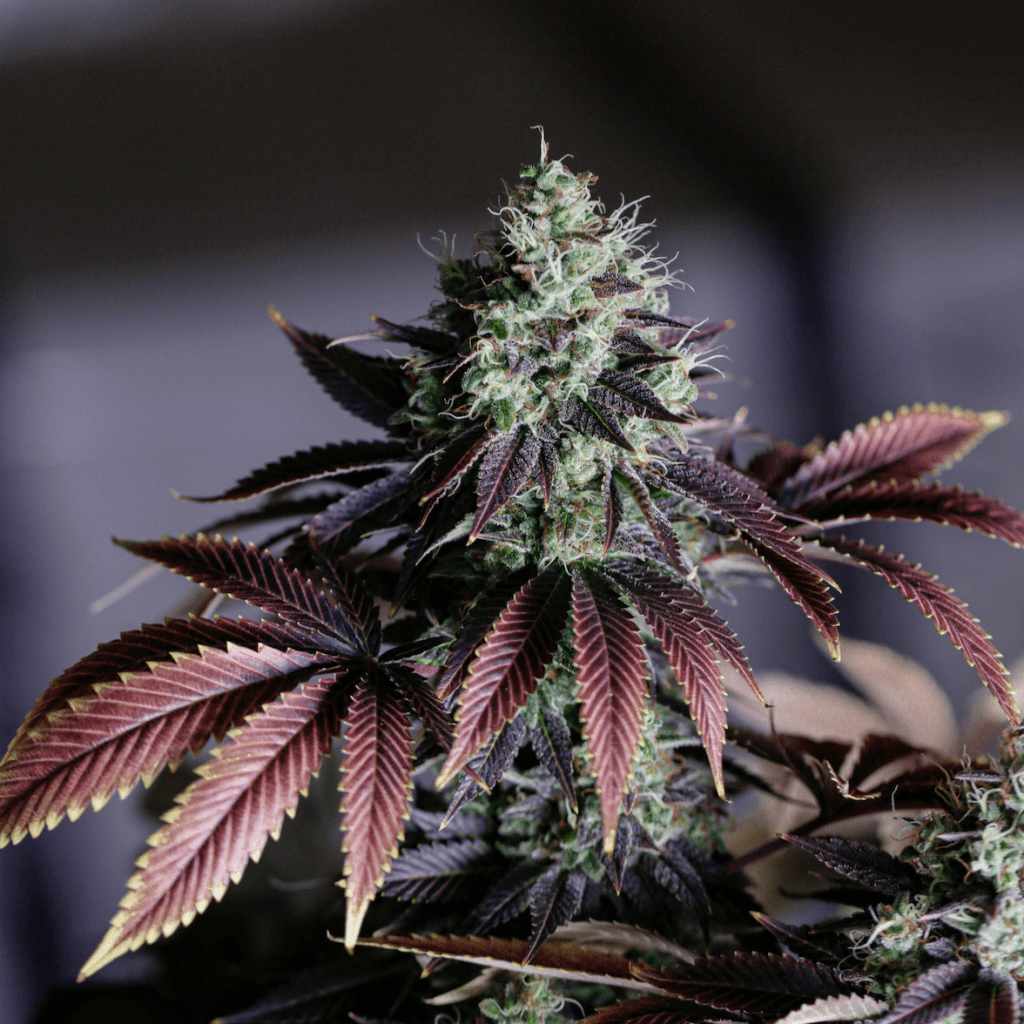
  • High Impact: Why the Cannabis Industry Needs a Green (and Just) Transition

    The rapid growth of the cannabis industry, driven by expanding legalization for both medical and recreational use, presents challenges due to its high energy and water use. As the industry evolves, it is essential to address harms of cannabis criminalization and energy-intensive indoor cultivation to ensure long-term sustainability.

    Photo by Diyahna Lewis on Unsplash

    Environmental Impacts of Cannabis Cultivation

    Cannabis is a water intensive crop that is mainly cultivated indoors, leading to significant energy use for lighting, climate control, and ventilation. Indoor cultivation enables growers to standardize their crops, resulting in consistent products with predictable quality and potency, and also reduces the risk of theft, making it the dominant form of legal cannabis production in the US. However, it is also associated with high scope 1 and scope 2 emissions due to the on-site fuel use and electricity consumption required by this method.

    Key Drivers of Emissions:

    Because emissions from cannabis production are highest in on-site fuel use and electricity consumption, as opposed to the supply chain, operators within the cannabis industry have a significant amount of control over directly reducing emissions at growing centers. There is substantial potential to reduce scope 1 and 2 greenhouse gas emissions by implementing on-site renewable generation and procuring clean energy for electricity consumption to make indoor growing practices more sustainable.

    Even with the growth in derivative products that are associated with higher levels of embodied carbon due to added processing such as vapes, the major concern over emissions from cannabis production still stems from energy use at indoor cultivation facilities.

    Whether grown indoors or outdoors, cannabis cultivation has high water-use. Each plant typically requires between 5 and 6 gallons of water per day, posing considerable challenges in regions already facing water scarcity.

    The industry also contributes to pollution from plastic waste as cannabis products are widely distributed in single-use plastic packaging due to child-safety regulations and cost constraints.

    While some manufacturers use recyclable plastics (#2 and #5), only 9% of cannabis packaging is recycled. This can be attributed to a lack of consumer awareness about recycling practices as well as a failure of US municipalities as not all of their recycling facilities are equipped to sort #5 plastics. Despite its ability to be recycled, #5 plastic (also known as polypropylene) can mess up your local facility’s machines.

    If you live in a municipality that does accept #5 plastic such as Boulder County, CO be sure to rinse your cannabis packaging before adding it to your recycling bin, but removing the label is not necessary!

    State-Level Response: California’s Sustainability Initiatives

    In 2022, California launched the Sustainable California Grown Cannabis Pilot Program, aimed at developing best practices for environmentally responsible outdoor cannabis cultivation.

    The program focuses on:

    • Reducing greenhouse gas emissions
    • Enhancing soil health and ecological function
    • Improving water-use efficiency
    • Limiting pesticide use

    To address water challenges, some growers build and manually monitor their own irrigation systems, or use water from wells drawing from aquifers, which bypasses the need to tap into streams or municipal water—ensuring water during drought conditions.

    Additionally, state-level and private-sector innovation are promoting more energy-efficient lighting systems in indoor facilities. The traditionally used high-intensity discharge lamps such as metal halide and high-pressure sodium (HPS) lights are now being phased out in favor of LED systems. LEDs not only decrease the need for cooling but also reduce overall energy demand as they provide superior light output, significantly lower energy consumption, and reduce heat emissions. Further reductions in energy intensity can be achieved through the use of passive ventilation systems, which lessen reliance on HVAC infrastructure.

    On-site renewable generation and procuring renewable electricity through Renewable Energy Credits (RECs) and Power Purchase Agreements (PPAs) can significantly reduce direct and indirect emissions from business operations. Additionally, on-site solar energy generation can significantly lower cultivator’s energy expenses and in states with net metering programs, cultivators can even earn money on the electricity they don’t use, by exporting it back to the grid for an exchange rate.

    On the materials front, policymakers and researchers are increasingly focused on alternatives to plastic packaging. A 2023 Canadian study tested hemp-infused bio-based materials as a biodegradable alternative, and a U.S. House committee has called for further exploration of plant-based packaging solutions.

    Emissions: Indoor vs. Outdoor Cultivation

    A critical finding in cannabis sustainability research is that indoor grows generate significantly more emissions than outdoor ones.

    Lifecycle Emissions Analysis

    A lifecycle assessment by researcher Evan Mills determined that approximately 90% of cannabis-related emissions stem from indoor cultivation. According to his model, transitioning to outdoor cultivation could reduce emissions by up to 76%.  Additionally, regenerative practices that thrive in outdoor environments such as no-till farming, and cover cropping can drastically improve soil health and carbon sequestration.

    Mills’ paper notes that cultivation is moving the wrong direction as “large-scale legal indoor cultivation is increasingly concentrated in environmentally overburdened urban areas…as seen in Oakland and Denver, each of which host about 200 sanctioned plant factory operations.”

    Similarly, a University of Michigan study concluded that outdoor grows produce 50 times fewer emissions than indoor operations. However, outdoor cultivation also has its own impacts, including use of nitrogen-rich fertilizers which can lead to nutrient runoff, polluting waterways and affecting ecosystems.

    Policy and Market Structure: A Barrier to Sustainability

    Despite the environmental benefits of outdoor cultivation, policy and regulatory constraints continue to push the industry toward indoor production. Mills notes that indoor cultivation is increasingly concentrated in environmentally overburdened urban areas, such as Oakland and Denver, each of which hosts over 200 licensed grow facilities.

    One structural issue is the illegality of interstate cannabis commerce. Without the ability to move product across state lines, regions better suited for outdoor cultivation (e.g., areas with optimal sunlight, lower humidity, and abundant water) are unable to supply other markets. Legalizing interstate trade could enable more outdoor cultivation and efficient resource use—but would likely increase transportation-related emissions.

    Social Equity: A Critical Component of Sustainability

    Environmental sustainability cannot be achieved in isolation from social justice. Despite legalization in numerous states, tens of thousands of individuals remain incarcerated for cannabis-related offenses—many of whom are from historically marginalized communities. Disparities persist in arrest rates, even in states with legalized cannabis, where Black Americans are still nearly four times more likely to be arrested for cannabis-related charges than white Americans. Collateral consequences of conviction—such as loss of voting rights, employment barriers, housing discrimination, and limited access to education—continue to impact these individuals and their families long after incarceration.

    To address these inequities, several policy  changes are imperative:

    • Federal legalization and descheduling of cannabis: Cannabis remains classified as a Schedule I drug under the Controlled Substances Act—on par with heroin and LSD. Descheduling would remove cannabis from the federal list of controlled substances altogether, allowing for comprehensive reform and national equity measures.
    • Expungement and Retroactive Relief: Automatic expungement of cannabis-related records and the immediate release of individuals incarcerated for cannabis crimes. Some states, like Illinois and New York, have begun implementing automatic expungement procedures, but many others lag behind.
    • Equity Licensing Programs: Social equity programs such as those launched in California, Massachusetts, and New Jersey to provide business licenses, financial support, and technical assistance to individuals directly impacted by prohibition. These programs often face structural limitations, underfunding, and implementation delays, increasing the need to draw attention to this issue.

    Organizations like the Last Prisoner Project are working to advance these objectives. Consumers and businesses are encouraged to support advocacy efforts, attend events such as Cannabis Unity Week, and lobby for legislative reform.

    This 420 the Last Prisoner Project and Ben & Jerry’s are urging governors across the country to grant clemency to those still incarcerated for cannabis-related offenses.

    A truly sustainable cannabis industry requires holistic reform—encompassing cultivation practices, packaging materials, regulatory frameworks, and social justice.

    Current and emerging sustainability Initiatives include deployment of on-site renewable energy (e.g., solar power), procurement of renewable electricity, implementation of energy efficiency measures, adoption of water-efficient irrigation and recycling systems, and utilization of regenerative farming.

    The cannabis industry stands at a pivotal moment, facing the potential to evolve into a model for sustainable agriculture and ethical enterprise.

    But sustainability cannot exist without equity. As we work to reduce the environmental impact of cultivation, we must also demand justice for those still incarcerated under outdated cannabis laws.

  • The Silent Buzz: America’s Bee Crisis and How You Can Help

    Honeybees, the backbone of U.S. agriculture, are vanishing at unprecedented rates. Researchers at Washington State University project colony losses of up to 70% in 2025a sharp increase from the typical 40–50% annual declines of the past decade.

    Photo by Aaron Burden on Unsplash

    Recent data reveals that between June 2024 and February 2025 alone, U.S. beekeepers lost 62% of colonies, totaling 1.1 million hives. This crisis threatens food systems, as 35% of global crops depend on pollinators. As foundational components of food webs and providers of critical ecosystem services, their collapse signals ecological destabilization and threatens to unravel the complex networks that sustain life on Earth.

    While scientists grapple with causes, ranging from pesticide exposure to parasitic mites like Varroa destructor, individuals can take meaningful steps to support both honeybees and their underappreciated native counterparts, such as mason bees.

    Why Bees Matter

    Honeybees pollinate over $15 billion worth of U.S. crops annually, including almonds, apples, and blueberries.

    However, their efficiency pales compared to native species like mason bees, which achieve a 95% pollination rate versus honeybees’ 5%. Unlike honeybees (introduced from Europe), mason bees are solitary, sting-resistant, and active in cooler weather, making them vital for early-blooming crops like cherries.

    Beyond crop pollination, bees are essential to the overall health of our ecosystems, supporting native plant biodiversity and providing food sources for other wildlife.

    Threats to Bee Populations: A Deep Dive

    The drastic 2025 decline stems from multiple, interconnected stressors:

    • Parasites and PathogensVarroa destructor mites, tiny but deadly, weaken colonies by feeding on bee fat reserves and transmitting viruses. Similarly, the fungus Nosema ceranae disrupts bees’ digestion, leading to malnutrition and colony collapse. These biological threats are exacerbated by climate change, which weakens bees’ immune systems, making them more susceptible.
    • Pesticides: Neonicotinoids, pyrethroids, and other agricultural chemicals impair bees’ navigation, learning, and immune function, increasing their vulnerability to other stressors. Systemic pesticides, absorbed into plant tissues, contaminate pollen and nectar, exposing bees throughout the growing season. Studies show that even sublethal doses of pesticides can drastically reduce colony survival rates.
    • Habitat Loss and Fragmentation: Urbanization, monoculture farming, and deforestation reduce floral diversity and nesting sites, leaving bees with fewer food sources and places to reproduce. Increased land use for animal grazing and agriculture, including crop cultivation, is a main driver of habitat loss and fragmentation. The conversion of diverse landscapes into vast stretches of single crops deprives bees of the varied diet they need for optimal health.
    • Climate Change: Shifting weather patterns, extreme events (droughts, floods, heat waves), and altered bloom times disrupt bees’ foraging and nesting cycles, impacting their survival and reproductive success. Phenological mismatches—where plants and pollinators are out of sync—can lead to starvation and reduced pollination rates. Rising temperatures also alter bee distribution and behavior, affecting their interactions with other species.
    • Lack of Genetic Diversity: Modern commercial bee breeding practices have led to a narrowing of the gene pool within bee populations. This lack of diversity can lead to reduced resistance to disease and decreased adaptability to environmental changes.

    The Government Isn’t Coming: Why Individual Action Matters

    Despite mounting scientific evidence and dire warnings from experts, governmental action to protect bee populations remains insufficient.

    Here’s why you can’t wait for the government:

    • Defunding of Environmental Programs: Environmental agencies face budget cuts and deregulation, limiting their ability to enforce existing protections or implement new ones.
    • Political Influence: The pesticide industry exerts significant influence on policy decisions, often undermining efforts to restrict harmful chemicals.
    • Slow Bureaucracy: Even when policies are enacted, bureaucratic delays can render them ineffective. By the time regulations are implemented, bee populations may have already suffered irreversible damage.

    Political gridlock, lobbying from powerful agricultural interests, and a general lack of prioritization of environmental issues have hampered meaningful policy changes.

    Lobbying organizations spend millions annually downplaying the risks of pesticides, pushing for weaker regulations, and promoting false solutions. For example, Syngenta is the largest seller of pesticides highly toxic to bees, generating $1.3 billion annually from neonicotinoids and other pollinator-harming chemicals. Despite evidence linking neonics to colony collapse, Syngenta lobbied against EU bans, instead promoting “field margins” as a distraction.

    Without government support, individual and community action is crucial because it’s immediate, direct, and can create a ripple effect, influencing others to take action and pressuring policymakers to respond.

    How Individuals Can Help: A Comprehensive Guide

    1. Support Native Bees:
      • Install Bee Hotels: Provide nesting sites for solitary bees like mason bees, leafcutter bees, and others. Use cardboard tubes, drilled wood blocks, or pre-made nesting boxes (like those from Crown Bees) to provide shelter. Ensure the hotels are made of natural, untreated materials.
      • Offer Mud Sources: Mason bees seal nests with mud. A small patch of moist clay soil in your garden aids their reproduction.
      • Create a Bee Bath: Bees need water, too! Provide a shallow dish of water with pebbles or marbles for them to land on while drinking.
      • Leave the Leaves: Resist the urge to rake up all your leaves in the fall. Many native bees overwinter in leaf litter.
    2. Plant Bee-Friendly Gardens:
      • Prioritize Native Blooms: Native plants are adapted to local conditions and provide the most nutritious pollen and nectar for native bees. Goldenrod, milkweed, asters, coneflowers, and sunflowers are excellent choices.
      • Ensure Seasonal Variety: Plant spring bulbs (crocuses), summer wildflowers (sunflowers), and fall bloomers (sedum) for year-round forage.
      • Skip Hybrids: Many ornamental plants lack pollen or nectar. Choose single-petal varieties over double-petal ones, as the latter often have reduced pollen production.
      • Plant in Clumps: Bees find it easier to forage on large patches of the same flower.
      • Let Your Lawn Grow: Allowing your lawn to grow a little longer provides habitat and food for bees and other pollinators.
    3. Support Sustainable Agriculture:
      • Buy Organic: Organic farms often use fewer harmful chemicals and maintain hedgerows for pollinators.
      • Support Local Farmers: Visit farmers’ markets and CSAs that prioritize sustainable farming practices.
      • Prioritize Plant-based: Plant-based diets benefit bees by reducing the environmental pressures associated with animal agriculture, which is a major driver of habitat destruction, pesticide use, and climate change—all significant threats to pollinator populations. 
      • Grow Your Own Food: Even a small vegetable garden can provide a haven for bees and other pollinators.
      • Compost: Composting reduces waste and provides nutrient-rich soil for your garden.
    4. Educate and Collaborate:
      • Knowledge Sharing: Teach neighbors to build bee hotels or plant pollinator gardens.
      • Support Conservation Science: Donate to groups studying honeybee health or native bee conservation. Organizations like Save The Bees and BeesMAX use crowdfunding to support bee research, habitat restoration, and other initiatives to help bees.
      • Citizen Science: Report bee sightings via apps like iNaturalist to aid research.
      • Spread the Word: Use social media to raise awareness about the bee crisis and inspire others to take action. Share my post!

    In today’s fast-paced world, fitting these activities into your schedule might feel overwhelming. However, they can be done in groups, making them more manageable—and offering a great way to foster social connection in an increasingly isolated society.

    A Future for Pollinators

    While honeybee declines dominate headlines, solutions require a shift toward biodiversity. Research shows that orchards with both honeybees and mason bees achieve higher fruit sets, highlighting the synergy between species.

    The interconnectedness of climate change, biodiversity loss, and the insect crisis demands integrated strategies. By nurturing native plants and bees, individuals can buffer ecosystems against collapse.

    From urban balconies to rural farms, every mud-capped tube and pesticide-free flower matters. The buzz of bees—whether honeybee or mason—is a sound worth saving. The survival of these essential creatures depends on our collective action. It is time to act, not just for the bees, but for our own future.

  • Rejecting Speciesism and Embracing the Animal Sentience Revolution

    Since the 1990s, evidence supporting animal sentience has increased tenfold, demonstrating that animals possess the capacity for subjective experiences like pleasure and pain—states previously believed beyond their reach. This surge in evidence has amplified the animal rights movement, spotlighting the injustices prevalent in animal agriculture, research, testing, and challenging normalized societal views of animals.

    Photo by Caroline S.

    A pivotal moment in this revolution was the establishment of Animal Sentience in 2015. This academic journal became the first to exclusively study the capacity of nonhuman animals to feel and think. By integrating ethics, neuroscience, animal behavior, and welfare science, Animal Sentience has provided a centralized, peer-reviewed platform for interdisciplinary research, marking formal recognition of animal sentience as a legitimate scientific field.

    This milestone followed the Cambridge Declaration on Consciousness (2012), which affirmed that many nonhuman animals possess neurological substrates for consciousness.

    By legitimizing research on  subjective experiences in animals, Animal Sentience challenged behaviorist paradigms that had dominated much of the 20th century.

    The journal’s influence extends to policy, with its research supporting legal protections for species like cephalopods and decapods in the EU and UK. The incorporation of animal sentience into UK law through the Animal Welfare (Sentience) Act 2022 demonstrates growing societal acknowledgment of animals’ capacity for suffering, supporting calls to end practices like factory farming and animal testing.

    While these legal protections have helped improve animal welfare and awareness of animal rights, there is still much work to be done to implement the findings of the animal sentience revolution into industry and society.

    Moreover, Animal Sentience has strengthened ethical arguments against practices like factory farming and animal research by highlighting evidence of sentience across diverse taxa.

    In essence, Animal Sentience has played a critical role in advancing scientific understanding, fostered interdisciplinary collaboration, influenced policy changes, and shifted societal attitudes toward recognizing animals as sentient beings deserving moral consideration.

    Animal Sentience helped pave the way for future landmarks in the animal rights movement, such as the New York Declaration on Animal Consciousness (2024) and the Animal Sentient Precautionary Principle (ASENT) Project (2019-2024).

    The New York Declaration challenges paradigms in ethics, neuroscience, and societal norms. It explicitly rejects the assumption that consciousness requires human-like brain structures and the idea of human exceptionalism in understanding animal consciousness.

    As the Declaration states, “The architecture for consciousness in other animals may look completely different than in humans… It is irresponsible to ignore [this] in decisions affecting animals.”

    By challenging anthropocentric biases and recognizing consciousness as a trait shared across diverse species with varying neural architectures, the New York Declaration provides a framework for integrating scientific findings into ethical decision-making, urging society to reevaluate its treatment of animals in agriculture, research, and other industries.

    The declaration marks a pivotal moment in the science of animal minds by combining empirical evidence with moral responsibility, pushing for systemic changes in how humans interact with nonhuman animals.

    It also emphasizes that absolute certainty about consciousness is not required to take ethical precautions, advocating instead for a precautionary principle in decision-making.

    If there is even a realistic possibility that an animal can suffer or experience harm, policymakers should consider this when crafting laws and regulations. By assuming consciousness, we can create better animal welfare practices and ensure that no sentient beings are harmed.

    If consciousness isn’t human-specific, speciesist hierarchies (e.g., prioritizing mammals over fish) become untenable. This realization highlights the fact that speciesism is a construct, and thus our understanding of speciesism is shaped by human perception and cultural systems, rather than being an objective, universally fixed reality. 

    Building on this foundation, the ASENT Project (2019-2024) has challenged binary classifications of sentience by proposing a multidimensional framework that considers valence (pleasure/pain), arousal (intensity), self-awareness, and social awareness across species.

    By rejecting binary thinking, ASENT helps us understand that sentience isn’t one-size-fits-all. It’s not just about whether an animal can feel pain – it’s also about how deeply they experience the world around them. Are they self-aware? Can they form social bonds? And what’s the emotional intensity behind their experiences?

    ASENT’s spectrum model widens our definition of sentience, allowing for what is classically considered partial evidence (e.g., chickens showing empathy) to warrant ethical safeguards.

    The ASENT framework emphasizes taking preventative action when there is a threat of harm by stating that “Uncertainty about sentience does not justify inaction.”

    These milestones highlight a critical point: sentience should not be a prerequisite for welfare.

    Because our understanding of sentience is largely based on the human experience, there is a high likelihood that animal consciousness differs from our own in ways we may not fully comprehend, which is further complicated by humans’ incomplete understanding of our own species’ consciousness.

    Animals that have not been proven sentient are labeled as non-sentient until proven otherwise, leading to the risk of inflicting harm on sentient beings.

    As science evolves, more species are recognized as sentient, underscoring the need to assume sentience until proven otherwise and to grant welfare to all species based on their intrinsic value. The intrinsic value of animals refers to the idea that animals have inherent worth, independent of their usefulness or value to humans, meaning their lives are valuable in and of themselves. 

    The evolving landscape of animal sentience science is highlighted by groundbreaking research from 2023 which found that bees have emotions, can plan and imagine, and recognize themselves as unique entities, when it was once thought that all insects, including bees, were mere automatons.

    Additionally, breakthroughs in neuroscience and ethology show that animals previously thought incapable of feeling pain—such as crustaceans and cephalopods—are indeed sentient. This evidence dismantles arguments justifying their use in food and research industries and further supports the argument to assume consciousness until proven otherwise.

    The utilitarian classifications of living organisms used in the speciesist hierarchy lays the foundation for humans to justify inflicting harm on each other based on perceived traits of moral or performance superiority.

    Speciesism places Homo sapiens at the top of a hierarchy that is used to justify sacrificing other animals. Harmful practices and ideas about animals that are deprioritized in the speciesist hierarchy are used to rationalize colonial practices and violence towards groups of people.

    Speciesism allows certain animals to be exploited and treated as commodities to accommodate human needs and desires, while other animals with the same capacity to experience emotion can be considered family.

    In 1999, the Treaty of Amsterdam went into force, granting animals official recognition as sentient beings in the EU, which demonstrates widespread acceptance of animal sentience. However, the practices used in animal agriculture and animal testing disregard the fact that animals such as cows, pigs, chickens, and rats are capable of experiencing a significant range of emotions, including fear, stress, pain, social bonds, joy, empathy and affection. This juxtaposition highlights a significant level of cognitive dissonance associated with the production and consumption of animal products as well as products tested on animals.  

    Despite our knowledge of their ability to experience subjective states, chickens, pigs, and cows are viewed as commodities in society, raised simply for consumption without deliberation on their wellbeing. 

    In industrialized agriculture, these animals are confined in cramped, unsanitary conditions to maximize production, leading to suffering and disease. Calves are separated from their mothers within a few hours of birth and male piglets are castrated without anesthesia. However, the normalization of speciesism in society enables people to turn a blind eye to the 10 billion animals that are killed on factory farms in the USA annually and their suffering.

    Humans must challenge our idea of superiority in the animal kingdom, recognizing that we are animals too. It is unjust to engage with practices such as laboratory testing, animal agriculture, and the destruction of natural habitats due to the distress and pain these practices inflict on innocent, sentient beings in addition to the harm they inflict on the Earth.

    The U.S. animal agriculture system inflicts unfathomable suffering on sentient beings while pushing Earth’s systems toward irreversible tipping points. As animal agriculture severely threatens several planetary boundaries, including climate change (release of CO2 and other greenhouse gasses), biogeochemical flows (nitrogen and phosphorus), land-system change, freshwater use, and biosphere integrity (the loss of biodiversity).

    Vegan ethics align with the scientific consensus on animal consciousness and the urgency of staying within planetary boundaries.

    The convergence of animal sentience science, climate urgency, and planetary boundary breaches creates a compelling ethical and ecological case for transitioning to veganism in the U.S. Here’s how these elements interconnect:

    Rejecting speciesism is not only a moral choice but also crucial for the planet’s survival.

    Developments in animal sentience science confirm that animals experience subjective states such as pain, fear, empathy, and pleasure, making their exploitation morally indefensible.

    Sentience-based ethics challenge speciesism by dismantling the hierarchy that places human interests above those of non-human animals.

    Evidence of animal cognition, such as playful behaviors in bees and problem-solving in octopuses, underscores the ability of science to evolve overtime and the need to assume consciousness in order to ensure that no sentient beings are harmed.

    These scientific advancements strengthen the moral argument for veganism by revealing the inherent suffering and exploitation in animal agriculture, advocating for systemic change in research, societal norms, and practices. Moreover, they challenge anthropocentrism by showing that consciousness is not uniquely human nor reliant on familiar neural structures. We must recognize that sentience is a spectrum with diverse evolutionary origins, and revise animal welfare laws, research ethics, food systems, and our relationship with nonhuman life.

  • Integrating the Circular Economy and Degrowth to End Capitalism’s Harm

    The Majority of Americans Agree: Capitalism Is Failing Us—Here’s a Solution to Restore Equity and Heal Our Ecosystems

    Photo by Caroline S.

    As capitalistic growth models continue to fuel climate change and the sixth mass extinction, with 30,000 species going extinct each year, animal and plant life is declining across the globe at rates never seen before in human history.

    Under this system, workers are paid less than the full value of their labor, while capitalists use their assets as collateral to generate more wealth, further exacerbating income disparities. The benefits of capitalism appear to serve only a small minority of Americans, and this group is becoming increasingly concentrated, with only top 0.1% seeing the largest increase in wealth share since 1990. 

    As of 2023, 62% of Americans believe that “our current form of capitalism is not working for the average American,” which is the highest percentage recorded in years of polling on this topic.

    Recognizing that the system is broken is only the first step. To address the impacts of capitalism, it is essential to identify alternatives that end systems of oppression, exploitation, and ecological destruction.

    A hybrid model combining the circular economy (CE) and degrowth offer a systemic alternative to capitalism which prioritizes environmental regeneration and social equity.

    The linear “take-make-waste” systems of the global north deplete finite resources and drive climate change. This model describes an unsustainable economic framework dominant in industrialized nations, where raw materials are extracted (take), transformed into goods (make), and discarded after use (waste). 

    The impacts of this linear model are systemic and far reaching, contributing to resource depletion and the acceleration of climate change. This is demonstrated by the fact that the global economy currently consumes resources 1.7x faster than the Earth regenerates them, depleting both finite and renewable resources.

    Additionally, this system exacerbates social inequalities as corporations are able to offload environmental harms onto marginalized communities and ecosystems.

    The structural incompatibility of capitalism and Earth systems is highlighted by the planetary boundaries framework, which defines nine critical thresholds for maintaining Earth’s stability—six of which have already been crossed—underscoring the contrast between capitalism’s reliance on perpetual economic expansion and the planet’s ecological limits.”

    Crossed planetary boundaries include land use change, biosphere integrity, and freshwater use which are all linked to unsustainable systems of production and consumption.

    Industrial animal agriculture is the primary driver of global deforestation with 50% of the Earth’s land surface dedicated to agriculture, of which 77% is used for livestock and land used for growing animal feed. Livestock production directly undermines biodiversity with over 60% of biodiversity loss linked to meat-centric diets.

    Industrialized agriculture not only plays a major role in crossing the land use change planetary boundary but also inflicts significant harm on farmed animals, disrupts the habitats of wildlife displaced by land use change, and displaces Indigenous communities, often through violent land grabs. This modern exploitation has roots in colonial-era actions, such as replacing diverse Indigenous farming with monocultures, which set the stage for today’s exploitation.

    Resource extraction has tripled in the past five decades, rising from 30 billion tonnes in 1970 to 106 billion tonnes, largely driven by high consumption in the Global North with the United States and European Union being responsible for 74% of global resource extraction from 1970-2017. The Global North extracts commodities valued at $2.2 trillion annually from the Global South, measured at Northern prices. This degrades the land and exploits labor in countries from which resources are extracted.

    This stress on Earth’s  systems  can be  connected to capitalism’s core mechanisms which create an existential need for growth as firms must continually expand profits to survive market competition. As Marx noted, capital accumulation is not optional—companies face “external coercive laws” to reinvest profits into growth or risk collapse.

    Additionally, markets incentivize overproduction (e.g., fast fashion, disposable tech) to sustain demand, accelerating resource extraction and waste. Therefore, growth and GDP as a  metric is favored over the wellbeing of nature and communities, leading to significant risks  such as the destabilization of Earth’s systems and irreversible tipping points.

    Alternative approaches to the current economic structure of the global north include the circular economy and degrowth models.

    The circular economy focuses on positive society-wide benefits based on three key principles:

    1. Eliminating waste and pollution
    2. Circulating materials
    3. Regenerating nature

    The circular economy model seeks to decouple economic activity from the consumption of finite resources, designing waste out of the system.

    The Circularity Gap Report found that “the 22.8 billion tonnes (Gt) of annual emissions associated with creating new products from virgin materials can be eliminated by applying circular strategies that drastically reduce the amount of minerals, fossil fuels, metals and biomass consumed by the world’s economy.”

    This reduction is achieved through various strategies including designing out waste and pollution from the outset of product creation, keeping products and materials in use for as long as possible, regenerating natural systems, promoting renewable energy adoption, and implementing closed-loop systems.

    In closed loop systems, materials and products are continuously recycled and reused which minimizes waste and the need for new raw materials. Additionally, products are designed for circularity which means that they can be easily disassembled, repaired, and recycled at the end of their life cycle.

    The degrowth economy prioritizes local economies, democracy and well-being over GDP by focusing on equitable downscaling of production and  consumption. This system is synergistic with the circular economy as the circular economy reduces resource demand, enabling degrowth’s vision of lower economic throughput.

    Key aspects of the degrowth model include:

    1. Rejecting GDP as a progress metric in favor of ecological and social indicators
    2. Addressing social inequalities arising from capitalism by promoting wealth distribution
    3. Advocating for universal basic services
    4. Emphasizing local production and decision-making
    5. Redefining work, including reduced working hours and valuing unpaid care work

    These aspects support an economic system that works in harmony with nature, reduces gender inequality by recognizing the value of care work, and promotes well-being.

    Integrating the circular economy and degrowth models offers a solution that could systemically transform our current, failing system of capitalistic growth. Under an integrated system of the circular economy and degrowth, governments could gradually decouple resource extraction from economic gain, and eliminate subsidies for fossil fuel industries, redirecting funds towards renewable energy and circular economy initiatives.

    The industrial shift towards design for longevity would encourage companies to create durable, repairable, and upgradable products, reducing waste and resource consumption. Mandating extended producer responsibility (EPR) policies would make manufacturers accountable for the entire lifecycle of their products, including disposal and recycling. These measures could drive innovation in product design and business models, fostering a shift towards more sustainable production practices.

    Unsustainable consumption patterns of our current system can also be addressed with this approach by promoting a cultural shift from consumerism to sufficiency. This involves redefining societal notions of success and well-being which could be supported by education and media campaigns that highlight the benefits of reduced consumption.

    Community initiatives such as local food production, renewable energy projects, and skill-sharing networks, embody both circular economy and degrowth principles. Scaling up and replicating successful community-led models with support from an integrated circular economy and degrowth system could accelerate broader societal shifts towards sustainability.

    Integrating the circular economy with the degrowth economy in western countries would also help address disparities between the Global South and the Global North which are further exacerbated by climate change. Technology transfer agreements, fair trade practices and more ethical methods of consumption and production under this model could help rebalance resource flows and economic opportunities.

    This integrated model could provide a framework for addressing historical injustices and current inequalities by guiding the redistribution of wealth and resources, and ensuring that the benefits of a sustainable economy are shared globally.  Under this model, international cooperation frameworks would place priority on equitable access to resources and sustainable development opportunities for all nations.

    Integrating circular economy and degrowth principles could provide a framework for addressing historical injustices and current inequalities. These models could guide the redistribution of wealth and resources, ensuring that the benefits of a sustainable economy are shared globally. Implementing the  circular economy paired with degrowth in international development projects could help create more resilient and equitable economic systems in the Global South.

    The integrated circular economy and degrowth model faces challenges including political resistance, implementation barriers, and counterarguments in favor of “green growth.”

    Powerful multinational corporations exert considerable influence on policy-making through lobbying efforts. These companies often prioritize profit maximization and market expansion, which can conflict with degrowth principles. Their lobbying activities may oppose regulations that limit resource extraction or consumption, advocate for policies that maintain the status quo of economic growth, or resist measures that could reduce their market share or profitability.

    Additionally, many established institutions in the Global North are fundamentally tied to the paradigm of continuous economic growth. For example, banks, pension funds, and other financial institutions are structured around the expectation of ongoing economic expansion which creates systemic barriers to implementing degrowth policies.

    Mainstream circular economy models are often framed as growth opportunities due to potential cost savings resulting from reducing virgin material use, job creation resulting from increased demand in remanufacturing and recycling sectors, and driving growth in the product-as-a-service business model.

    The worldwide revenue of circular economy transactions was estimated to total roughly $339 billion in 2022,and this is forecasted to more than double by 2026, reaching a $712 billion market opportunity. This ideation of a growth centric circular economy falls under the umbrella of green growth.

    Green growth aligns with neoliberal capitalism, emphasizing market-driven solutions (e.g., carbon pricing, green tech investments) and maintaining institutional trust in GDP as a progress metric.

    Green growth frameworks typically avoid addressing global inequalities, whereas degrowth explicitly calls for redistributing wealth and scaling down overconsumption in the Global North.

    A climate solution that does not address the interconnected social impacts causing and resulting from climate change is not, in fact, a solution, but a band-aid on a much larger problem.

    Degrowth proponents argue that circular strategies alone cannot resolve ecological crises if growth remains the goal. True sustainability demands reducing total consumption, not just optimizing efficiency. This includes policies like material caps, repair mandates, and bans on planned obsolescence.

    The combination of circular economy and degrowth principles offers a comprehensive approach to address the fundamental ecological and social shortcomings of capitalism including ecological and social failures.

    The integrated circular economy and degrowth model tackles resource depletion and waste through closed-loop systems and directly challenges the paradigm of endless economic expansion on a finite planet which has been proven to be unsustainable as demonstrated with the planetary boundaries framework.

    Additionally, this model advocates for wealth redistribution and redefining societal success metrics beyond GDP while promoting local production and repair economies which can reduce inequality.

    Together, these models propose a systemic redesign that:

    1. Replaces linear “take-make-dispose” economics with regenerative cycles.
    2. Shifts focus from quantitative growth to qualitative development and well-being.
    3. Prioritizes sufficiency and equitable resource distribution over profit maximization.

    The imperative to rapidly transition to these models is driven by internationally recognized climate targets, ecological tipping  points, inequality reduction, and resource scarcity.

    The Intergovernmental Panel on Climate Change (IPCC) emphasizes that limiting global warming to 1.5°C requires “rapid, far-reaching and unprecedented changes in all aspects of society” with the integrated circular economy and degrowth model offering pathways to drastically reduce emissions while maintaining quality of life.

    This model is able to address interconnected issues exacerbating the climate  crises that extend beyond emissions reduction  as circular economy principles can help restore degraded environments and manage limited resources with degrowth further supporting social equity, wellbeing, and ecological regeneration.

  • The Role of Utopian Narratives in Creating a Sustainable Future

    Focusing on utopian societies rather than dystopian ones activates distinct psychological mechanisms that enhance problem-solving and community engagement. Evidence from psychological research reveals three key differences in their impacts on motivational pathways, behavioral  outcomes, and cognitive trade-offs.

    Photo by Caroline S.

    Utopian thinking operates through hope-driven self-regulation which fosters collective goal-setting, critique of current systems, and enhanced creativity. Hope-driven self-regulation involves using a sense of hope and agency to guide and improve one’s thoughts, feelings, and actions towards desired goals, fostering resilience and positive outcomes. 

    Collective goal-setting helps communities imagine ideal societies, activates abstract thinking, and facilitates the ability to identify shared  objectives which increases intentions for social and behavioral change. Articulating utopian visions increases critique of current systems, leading to reduced satisfaction with existing societal structures and  cognitive dissonance that drives reform. Additionally, high-level abstract thinking triggered by utopian visions help overcome mental barriers  and increase creativity, supporting innovative solutions. In contrast, dystopian thinking primarily engages fear-based  prevention by focusing on avoiding catastrophic futures and reactive (rather than proactive) problem-solving. This focus can lead to reduced trust and paranoia among communities due to the emphasis on potential risks over opportunities.

    Studies show that utopian thinking significantly benefits behavioral outcomes as it enhances both criticism of current systems and concrete plans for improvement, whereas dystopian scenarios increase tendencies to justify current systems. The table  below demonstrates impacts of utopian focused thinking vs dystopian focused thinking on social change, risk perception, and sustainability.

    AspectUtopian FocusDystopian Focus
    Social change32% increase in collective action intentionsFocuses on preventing collapse rather than building alternatives
    Risk perceptionEncourages opportunity recognitionAmplifies threat sensitivity
    SustainabilityCorrelates with environmental stewardship idealsLinks to resource-hoarding behaviors
    Primary emotionHopeFear
    Behavioral driverShared idealismSelf-preservation
    Social outcomeCohesive collective actionFragmented individualism

    As demonstrated by the table above, focusing on utopian narratives has been found to increase personal and societal hope. A study showing that utopian thinking significantly boosted hope also found that this increase in hope had a notable positive impact on collective climate action and enables cognitive alternatives to “status-quo” thinking.

    There can be cognitive trade-offs with focusing too heavily on utopian societies as it can enable escapism when change seems unlikely and requires concrete implementation plans to avoid being only a fantasy. Therefore, a balanced approach of understanding utopian opportunities and dystopian risks is most effective. Dystopian narratives can help to provide urgency through vivid warnings, however they risk desensitization with overuse which can lead to decreased community engagement after repeated exposure.

    Media, particularly books and movies have been heavily focused on dystopian futures for over a decade with series such as The Hunger Games and The Handmaids Tale becoming best sellers. The IMDB list of Utopian movies contains only 45 titles in total, many of which are from before 2010. IMBD offers another list titled “Top 100 Dystopian Movies” suggesting that there are more than 100 dystopian movies, and this list contains only the top rated titles. With this information it is clear that the ratio for dystopian movies compared to utopian movies is at least 2:1.

    Focusing too heavily on dystopian narratives only strengthens the unwanted  outcome. The media we consume and the scenarios we hypothesize about must be balanced with idealism and hope in order to build our desired world.

    The most effective strategy combines utopian visioning to establish aspirational goals and creative freedom, dystopian reality-checking to identify implementation barriers, and mental  contrasting techniques that alternate between ideal futures and current obstacles. This combined approach leverages utopia’s motivational benefits while grounding solutions in dystopia’s risk-awareness, as seen in climate action strategies that pair net-zero visions with risk analyses. This provides a holistic understanding of the risk of inaction and the opportunities that are possible through risk mitigation.

    Because the media we have access to is more heavily focused on dystopian narratives, there is a need to actively seek out or create more utopian focused media and activate a hopeful mindset. This can be done by reading books on solutions and frameworks for social and environmental sustainability, listening to positive affirmations that activate hope, learning about climate tech solutions, and learning about societies that have successfully implemented equitable systems that support human and environmental wellbeing.

    Focusing on utopian visioning, dystopian-reality checking, and utilizing mental contrasting techniques can help create innovative solutions, strengthen resilience against risks, and increase collective action.