Every November, roughly 46 million turkeys are killed in the United States for the sake of “American Tradition.” These are curious, socially intelligent birds capable of recognizing flock mates, forming hierarchies, and communicating with unique vocalizations, yet most are reduced to a dining table centerpiece, living just 14–20 weeks before slaughter despite a natural lifespan of 10–15 years. Their short lives, filled with fear and pain, expose the uncomfortable truth that gratitude and violence are braided together in the modern Thanksgiving ritual.
Talking about turkeys means confronting the systems—colonial, patriarchal, and capitalist—that shape their lives and deaths. Thanksgiving, too, cannot be separated from the mythologies that erase Indigenous histories, stewardship, and struggles for sovereignty. This holiday invites us to rethink what, and who, we actually celebrate, honor, and consume.
Most U.S. turkeys live in industrial sheds holding 6,000–20,000 birds and are genetically engineered to grow unnaturally heavy and fast. Their bodies become so large that many cannot stand without pain, often developing joint damage, leg deformities, and heart failure; because of these proportions, they are bred almost exclusively through forced artificial insemination, with their natural social and reproductive lives erased and relabeled as “efficiency.”
Packed tightly together, birds are subjected to “management” practices like beak trimming, desnooding, and detoeing, which remove sensitive body parts without anesthesia and can cause long-term pain, altered behavior, and difficulty eating or moving.
Most turkeys raised for Thanksgiving live on litter soaked with feces and urine under artificial lighting designed to maximize growth; their rapid weight gain often outpaces skeletal development, and many collapse from heart or lung problems. This is not tradition. It is industrial design masquerading as holiday ceremony, where bodies are treated as commodities and exploited to produce life that exists only to generate profit, encapsulating patriarchal capitalist values.
The harm of industrial turkey production does not exist in a vacuum; it is built on stolen land, exploited labor, and ecological harm —precisely the systems that ecofeminism, antispeciesism, and degrowth aim to dismantle. Barns, slaughterhouses, and feedlots sit on land taken from Indigenous peoples which are converted into monoculture grain fields, while underpaid and often migrant workers shoulder the physical risk and trauma required to keep cheap meat flowing.
Thanksgiving intensifies this logic of overproduction: ever-bigger birds, subsidized grain, and millions of pounds of turkey waste each year. In a staggering display of patriarchal capitalism’s disregard for life, it is estimated that 8 million turkeys will be thrown in the trash this Thanksgiving. In this context refusing turkey becomes more than a dietary preference; it is a small but powerful act of rejecting growth-obsessed holiday consumption in favor of justice and planetary boundaries.
And yet, as animal agriculture continues to threaten ecological stability, this year’s H5N1 bird flu outbreaks expose how fragile the turkey industry really is. Since late summer 2025, between 2 and 2.2 million turkeys have been infected or mass-killed, leaving the U.S. with its smallest turkey flock in ~40 years. Zoonotic outbreaks like H5N1 are not random accidents; they are features of a system that concentrates animals, waste, and workers in the same polluted spaces.
These mass culls—often carried out through ventilation shutdown—are presented as “biosecurity,” but they are predictable fallout of confinement, genetic uniformity, and high-density sheds, as discussed in my last post “What We Do to Nature Makes Us Sick – Literally.”
By hiding the ongoing theft and enclosure of Indigenous territories, the Thanksgiving story obscures how industrial animal agriculture depends on those same lands for feed crops, confinement facilities, and slaughter plants.
Additionally, Indigenous relationships with turkeys stretch back more than 2,000 years and offer a radically different perspective of these animals than what is normalized by Thanksgiving as its celebrated today. Historical records show that Indigenous societies in the Americas valued the birds so highly that they tamed them at least twice for companionship and participation in ceremonies.
This contrast makes clear that the way turkeys are treated today is not natural or inevitable—it is a political and economic choice.
This web of ecological and social harm reveals that struggles for land, animal liberation, and bodily autonomy are never separate. Colonial systems reshape landscapes and species to fit extractive needs, while the same logic reaches into gender and labor. What happens to the land, and what happens to the animals forced onto it, mirrors what happens to the people whose labor and autonomy are also controlled.
Ecofeminism names these shared roots and insists that none of these violences can be confronted in isolation. Instead of systems built on domination, extraction, and sacrifice zones, it asks us to move toward plant-based, low-impact, and degrowth-aligned ways of living that are grounded in care, interdependence, and respect for all beings.
Reimagining Thanksgiving through this lens means refusing to isolate animal suffering from land theft, climate chaos, and labor exploitation.
Supporting Indigenous land defenders, eating plant-based seasonal foods, and telling honest histories become interconnected acts of resistance to a system that treats life as expendable.
In place of a holiday that normalizes mistreatment, these choices move us toward traditions rooted in reciprocity, repair, and the shared right of all beings to live and thrive.
Visiting Luvin Arms Animal Sanctuary, a nonprofit refuge for farmed animals, filled me with a complex concoction of emotions including joy, grief, sorrow, and hope. Each animal had a name, a story, a unique personality, and a desire to live. Often, their survival came down to just one person having the courage to speak up, and choose compassion over indifference.
Photo of Lily the pig during my visit to Luvin Arms, taken July 2025
I met Maybell, a cow who had once served the tormenting role of a “Judas cow” in which one cow is used to lead others to slaughter. Maybell had carried out this tormenting task for years until the day it was meant to be her turn. The farmer’s wife, who had formed a unique bond with her, couldn’t go through with it. In an act of rare mercy, she arranged for Maybell to live out her life at Luvin Arms instead.
Other cows had been saved by a truck driver who was transporting calves to be slaughtered for veal. There is an expectation that some calves will die en route, therefore it is common in the veal industry to overload transport cars in order to ensure that the correct number of calves will be slaughtered each day. On this particular trip, all the calves survived which meant that some were considered “extra.” They “excess” calves were scheduled to be returned to the farm, only to be slaughtered later. Unable to stomach their inevitable fate, the driver delivered the “excess” calves to Luvin Arms instead. That single act of conscience changed their lives forever.
As I walked through the sanctuary, I was struck by the stark contrast between the animals’ traumatic pasts and the peaceful lives they now live. Joy welled up in me as I watched pigs play together in sunflower fields and flop onto their sides at my feet, inviting belly rubs just like my dog does at home. It was incredible to witness their capacity to trust and love after surviving the systemic cruelty and abuse of factory farms. At the same time, I felt a deep sorrow for the countless animals who will never get to live the life they deserve.
Lily and Lizzie: The Right to Rescue in Action
Among the many powerful rescue stories I learned, Lily and Lizzie’s particularly stuck out due to their involvement in the historic Smithfield Trial. These two piglets were saved from one of the largest factory farms in the U.S., a facility run by Smithfield Foods in Utah.
In 2017, activists from Direct Action Everywhere (DxE) entered the farm and documented horrifying conditions. They found pigs in metal gestation crates unable to turn around, dead and dying piglets on the floor, and sick animals left without care. Lily and Lizzie were two of the weakest. Rather than leave them behind, the activists carried them out and ended up saving their lives.
This act of “open rescue” is a cornerstone of the animal rights movement. It involves openly entering facilities, documenting conditions, and rescuing animals who would otherwise suffer or die. Activists argue that animals in distress deserve the same emergency protections as humans and pets—and that compassion should override property claims when suffering is involved.
The defense didn’t just highlight animal suffering—it challenged the very idea that these lives could be reduced to property. These persuasive arguments even lead some jurors to make personal changes, such as refusing to eat ham after the trial.
Surveilled Like Criminals: The FBI and Industry Tactics
What came next was chilling. After the rescue, the FBI launched a multi-state search for Lily and Lizzie. They raided two animal sanctuaries—including Luvin Arms—looking for the piglets. They even took ear clippings, without anesthesia, from the pigs to test DNA in an attempt to prove which animals had been “stolen” from Smithfield.
Why would the FBI devote resources to chasing two sick piglets? The answer lies in the growing alliance between law enforcement and the meat industry.
A 2023 exposé by Wired revealed that the Animal Agriculture Alliance (AAA)—a powerful industry group—worked directly with the FBI’s Weapons of Mass Destruction Directorate to surveil nonviolent animal rights activists like those with DxE. Industry-aligned spies infiltrated activist events, secretly recording and photographing people, then passed intelligence to the FBI. One undercover informant even provided details of group chats, organizing meetings, and travel plans.
The FBI created a dedicated email tip line for industry insiders to report animal activists. Internal documents showed that factory farm operators were encouraged to label activists as potential “bioterror” threats—even when no violence or sabotage occurred.
This isn’t new. Since the early 2000s, federal agencies have labeled eco- and animal rights groups as domestic terrorism threats. Under the Animal Enterprise Terrorism Act (AETA) peaceful civil disobedience—such as rescuing animals or documenting abuse—can be prosecuted as terrorism. This legal overreach is part of a larger campaign to silence dissent and criminalize compassion.
Meanwhile, the actual conditions in factory farms, including rampant untreated disease, pollution, and systemic cruelty, continue without consequence.
Why Animal Sanctuaries Matter
Sanctuaries like Luvin Arms are more than places of refuge. They are acts of resistance.
Animal sanctuaries give animals the chance to rebuild trust and learn how to receive affection after being abused. They allow animals to experience life through play, curiosity, and meaningful bonds—experiences they would never have while confined in cages.
Lily and Lizzie found a forever home at Luvin Arms. Lily, who I got to spend more time with during my visit, became a sanctuary ambassador. She is playful, sweet, and deeply affectionate. She formed loving relationships with her pig family and the people who cared for her, showing every visitor what pigs are capable of when given a chance to live their lives freely and fully. She is living proof of a truth the industry hides: pigs are emotionally complex, intelligent, and deserving of care.
Animal sanctuaries also challenge the dominant view that animals exist for human use. They serve as living arguments against speciesism, the belief that lives of certain species inherently matter more than others. Every rescue challenges a system that commodifies life. Every animal is someone, not something.
The Power of Compassion
If you ever doubt that one person can make a difference, remember Maybell’s rescuer. Remember the truck driver who rerouted calves to sanctuary. Remember the activists who risked prison so Lily and Lizzie could live. Lives were saved because someone refused to look away.
Animal lives matter. And the right to rescue reminds us that sometimes, doing the right thing means breaking the rules, because rules are often written to protect cruelty—not compassion.
If you feel moved by the idea of open rescue, I encourage you to visit the Direct Action Everywhere (DxE) website where there are a number of opportunities to support this kind of work or donate.
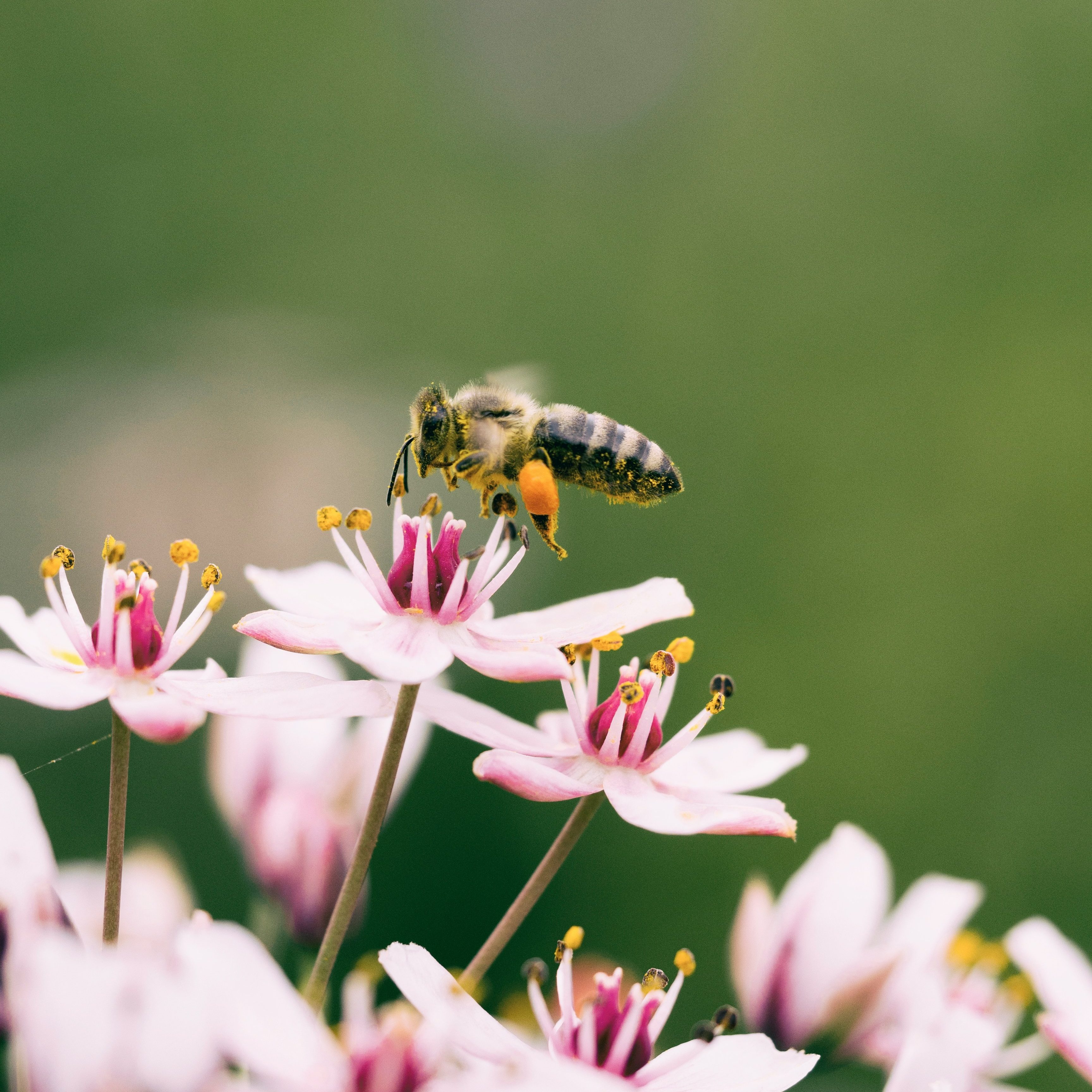
Recent data reveals that between June 2024 and February 2025 alone, U.S. beekeepers lost 62% of colonies, totaling 1.1 million hives. This crisis threatens food systems, as 35% of global crops depend on pollinators. As foundational components of food webs and providers of critical ecosystem services, their collapse signals ecological destabilization and threatens to unravel the complex networks that sustain life on Earth.
While scientists grapple with causes, ranging from pesticide exposure to parasitic mites like Varroa destructor, individuals can take meaningful steps to support both honeybees and their underappreciated native counterparts, such as mason bees.
However, their efficiency pales compared to native species like mason bees, which achieve a 95% pollination rate versus honeybees’ 5%. Unlike honeybees (introduced from Europe), mason bees are solitary, sting-resistant, and active in cooler weather, making them vital for early-blooming crops like cherries.
Beyond crop pollination, bees are essential to the overall health of our ecosystems, supporting native plant biodiversity and providing food sources for other wildlife.
Threats to Bee Populations: A Deep Dive
The drastic 2025 decline stems from multiple, interconnected stressors:
Parasites and Pathogens: Varroa destructor mites, tiny but deadly, weaken colonies by feeding on bee fat reserves and transmitting viruses. Similarly, the fungus Nosema ceranae disrupts bees’ digestion, leading to malnutrition and colony collapse. These biological threats are exacerbated by climate change, which weakens bees’ immune systems, making them more susceptible.
Pesticides: Neonicotinoids, pyrethroids, and other agricultural chemicals impair bees’ navigation, learning, and immune function, increasing their vulnerability to other stressors. Systemic pesticides, absorbed into plant tissues, contaminate pollen and nectar, exposing bees throughout the growing season. Studies show that even sublethal doses of pesticides can drastically reduce colony survival rates.
Habitat Loss and Fragmentation: Urbanization, monoculture farming, and deforestation reduce floral diversity and nesting sites, leaving bees with fewer food sources and places to reproduce. Increased land use for animal grazing and agriculture, including crop cultivation, is a main driver of habitat loss and fragmentation. The conversion of diverse landscapes into vast stretches of single crops deprives bees of the varied diet they need for optimal health.
Climate Change: Shifting weather patterns, extreme events (droughts, floods, heat waves), and altered bloom times disrupt bees’ foraging and nesting cycles, impacting their survival and reproductive success. Phenological mismatches—where plants and pollinators are out of sync—can lead to starvation and reduced pollination rates. Rising temperatures also alter bee distribution and behavior, affecting their interactions with other species.
Lack of Genetic Diversity: Modern commercial bee breeding practices have led to a narrowing of the gene pool within bee populations. This lack of diversity can lead to reduced resistance to disease and decreased adaptability to environmental changes.
The Government Isn’t Coming: Why Individual Action Matters
Despite mounting scientific evidence and dire warnings from experts, governmental action to protect bee populations remains insufficient.
Here’s why you can’t wait for the government:
Defunding of Environmental Programs: Environmental agencies face budget cuts and deregulation, limiting their ability to enforce existing protections or implement new ones.
Political Influence: The pesticide industry exerts significant influence on policy decisions, often undermining efforts to restrict harmful chemicals.
Slow Bureaucracy: Even when policies are enacted, bureaucratic delays can render them ineffective. By the time regulations are implemented, bee populations may have already suffered irreversible damage.
Political gridlock, lobbying from powerful agricultural interests, and a general lack of prioritization of environmental issues have hampered meaningful policy changes.
Lobbying organizations spend millions annually downplaying the risks of pesticides, pushing for weaker regulations, and promoting false solutions. For example, Syngenta is the largest seller of pesticides highly toxic to bees, generating $1.3 billion annually from neonicotinoids and other pollinator-harming chemicals. Despite evidence linking neonics to colony collapse, Syngenta lobbied against EU bans, instead promoting “field margins” as a distraction.
Without government support, individual and community action is crucial because it’s immediate, direct, and can create a ripple effect, influencing others to take action and pressuring policymakers to respond.
How Individuals Can Help: A Comprehensive Guide
Support Native Bees:
Install Bee Hotels: Provide nesting sites for solitary bees like mason bees, leafcutter bees, and others. Use cardboard tubes, drilled wood blocks, or pre-made nesting boxes (like those from Crown Bees) to provide shelter. Ensure the hotels are made of natural, untreated materials.
Offer Mud Sources: Mason bees seal nests with mud. A small patch of moist clay soil in your garden aids their reproduction.
Create a Bee Bath: Bees need water, too! Provide a shallow dish of water with pebbles or marbles for them to land on while drinking.
Leave the Leaves: Resist the urge to rake up all your leaves in the fall. Many native bees overwinter in leaf litter.
Plant Bee-Friendly Gardens:
Prioritize Native Blooms: Native plants are adapted to local conditions and provide the most nutritious pollen and nectar for native bees. Goldenrod, milkweed, asters, coneflowers, and sunflowers are excellent choices.
Ensure Seasonal Variety: Plant spring bulbs (crocuses), summer wildflowers (sunflowers), and fall bloomers (sedum) for year-round forage.
Skip Hybrids: Many ornamental plants lack pollen or nectar. Choose single-petal varieties over double-petal ones, as the latter often have reduced pollen production.
Plant in Clumps: Bees find it easier to forage on large patches of the same flower.
Let Your Lawn Grow: Allowing your lawn to grow a little longer provides habitat and food for bees and other pollinators.
Support Sustainable Agriculture:
Buy Organic: Organic farms often use fewer harmful chemicals and maintain hedgerows for pollinators.
Support Local Farmers: Visit farmers’ markets and CSAs that prioritize sustainable farming practices.
Prioritize Plant-based: Plant-based diets benefit bees by reducing the environmental pressures associated with animal agriculture, which is a major driver of habitat destruction, pesticide use, and climate change—all significant threats to pollinator populations.
Grow Your Own Food: Even a small vegetable garden can provide a haven for bees and other pollinators.
Compost: Composting reduces waste and provides nutrient-rich soil for your garden.
Educate and Collaborate:
Knowledge Sharing: Teach neighbors to build bee hotels or plant pollinator gardens.
Support Conservation Science: Donate to groups studying honeybee health or native bee conservation. Organizations like Save The Bees and BeesMAX use crowdfunding to support bee research, habitat restoration, and other initiatives to help bees.
Citizen Science: Report bee sightings via apps like iNaturalist to aid research.
Spread the Word: Use social media to raise awareness about the bee crisis and inspire others to take action. Share my post!
In today’s fast-paced world, fitting these activities into your schedule might feel overwhelming. However, they can be done in groups, making them more manageable—and offering a great way to foster social connection in an increasingly isolated society.
A Future for Pollinators
While honeybee declines dominate headlines, solutions require a shift toward biodiversity. Research shows that orchards with both honeybees and mason bees achieve higher fruit sets, highlighting the synergy between species.
The interconnectedness of climate change, biodiversity loss, and the insect crisis demands integrated strategies. By nurturing native plants and bees, individuals can buffer ecosystems against collapse.
From urban balconies to rural farms, every mud-capped tube and pesticide-free flower matters. The buzz of bees—whether honeybee or mason—is a sound worth saving. The survival of these essential creatures depends on our collective action. It is time to act, not just for the bees, but for our own future.
Since the 1990s, evidence supporting animal sentience has increased tenfold, demonstrating that animals possess the capacity for subjective experiences like pleasure and pain—states previously believed beyond their reach. This surge in evidence has amplified the animal rights movement, spotlighting the injustices prevalent in animal agriculture, research, testing, and challenging normalized societal views of animals.
Photo by Caroline S.
A pivotal moment in this revolution was the establishment of Animal Sentience in 2015. This academic journal became the first to exclusively study the capacity of nonhuman animals to feel and think. By integrating ethics, neuroscience, animal behavior, and welfare science, Animal Sentience has provided a centralized, peer-reviewed platform for interdisciplinary research, marking formal recognition of animal sentience as a legitimate scientific field.
This milestone followed the Cambridge Declaration on Consciousness (2012), which affirmed that many nonhuman animals possess neurological substrates for consciousness.
By legitimizing research on subjective experiences in animals, Animal Sentience challenged behaviorist paradigms that had dominated much of the 20th century.
The journal’s influence extends to policy, with its research supporting legal protections for species like cephalopods and decapods in the EU and UK. The incorporation of animal sentience into UK law through the Animal Welfare (Sentience) Act 2022 demonstrates growing societal acknowledgment of animals’ capacity for suffering, supporting calls to end practices like factory farming and animal testing.
While these legal protections have helped improve animal welfare and awareness of animal rights, there is still much work to be done to implement the findings of the animal sentience revolution into industry and society.
Moreover, Animal Sentience has strengthened ethical arguments against practices like factory farming and animal research by highlighting evidence of sentience across diverse taxa.
In essence, Animal Sentience has played a critical role in advancing scientific understanding, fostered interdisciplinary collaboration, influenced policy changes, and shifted societal attitudes toward recognizing animals as sentient beings deserving moral consideration.
The New York Declaration challenges paradigms in ethics, neuroscience, and societal norms. It explicitly rejects the assumption that consciousness requires human-like brain structures and the idea of human exceptionalism in understanding animal consciousness.
As the Declaration states, “The architecture for consciousness in other animals may look completely different than in humans… It is irresponsible to ignore [this] in decisions affecting animals.”
By challenging anthropocentric biases and recognizing consciousness as a trait shared across diverse species with varying neural architectures, the New York Declaration provides a framework for integrating scientific findings into ethical decision-making, urging society to reevaluate its treatment of animals in agriculture, research, and other industries.
The declaration marks a pivotal moment in the science of animal minds by combining empirical evidence with moral responsibility, pushing for systemic changes in how humans interact with nonhuman animals.
It also emphasizes that absolute certainty about consciousness is not required to take ethical precautions, advocating instead for a precautionary principle in decision-making.
If there is even a realistic possibility that an animal can suffer or experience harm, policymakers should consider this when crafting laws and regulations. By assuming consciousness, we can create better animal welfare practices and ensure that no sentient beings are harmed.
If consciousness isn’t human-specific, speciesist hierarchies (e.g., prioritizing mammals over fish) become untenable. This realization highlights the fact that speciesism is a construct, and thus our understanding of speciesism is shaped by human perception and cultural systems, rather than being an objective, universally fixed reality.
Building on this foundation, the ASENT Project (2019-2024) has challenged binary classifications of sentience by proposing a multidimensional framework that considers valence (pleasure/pain), arousal (intensity), self-awareness, and social awareness across species.
By rejecting binary thinking, ASENT helps us understand that sentience isn’t one-size-fits-all. It’s not just about whether an animal can feel pain – it’s also about how deeply they experience the world around them. Are they self-aware? Can they form social bonds? And what’s the emotional intensity behind their experiences?
ASENT’s spectrum model widens our definition of sentience, allowing for what is classically considered partial evidence (e.g., chickens showing empathy) to warrant ethical safeguards.
The ASENT framework emphasizes taking preventative action when there is a threat of harm by stating that “Uncertainty about sentience does not justify inaction.”
These milestones highlight a critical point: sentience should not be a prerequisite for welfare.
Because our understanding of sentience is largely based on the human experience, there is a high likelihood that animal consciousness differs from our own in ways we may not fully comprehend, which is further complicated by humans’ incomplete understanding of our own species’ consciousness.
Animals that have not been proven sentient are labeled as non-sentient until proven otherwise, leading to the risk of inflicting harm on sentient beings.
As science evolves, more species are recognized as sentient, underscoring the need to assume sentience until proven otherwise and to grant welfare to all species based on their intrinsic value. The intrinsic value of animals refers to the idea that animals have inherent worth, independent of their usefulness or value to humans, meaning their lives are valuable in and of themselves.
Additionally, breakthroughs in neuroscience and ethology show that animals previously thought incapable of feeling pain—such as crustaceans and cephalopods—are indeed sentient. This evidence dismantles arguments justifying their use in food and research industries and further supports the argument to assume consciousness until proven otherwise.
The utilitarian classifications of living organisms used in the speciesist hierarchy lays the foundation for humans to justify inflicting harm on each other based on perceived traits of moral or performance superiority.
Speciesism places Homo sapiens at the top of a hierarchy that is used to justify sacrificing other animals. Harmful practices and ideas about animals that are deprioritized in the speciesist hierarchy are used to rationalize colonial practices and violence towards groups of people.
Speciesism allows certain animals to be exploited and treated as commodities to accommodate human needs and desires, while other animals with the same capacity to experience emotion can be considered family.
In 1999, the Treaty of Amsterdam went into force, granting animals official recognition as sentient beings in the EU, which demonstrates widespread acceptance of animal sentience. However, the practices used in animal agriculture and animal testing disregard the fact that animals such as cows, pigs, chickens, and rats are capable of experiencing a significant range of emotions, including fear, stress, pain, social bonds, joy, empathy and affection. This juxtaposition highlights a significant level of cognitive dissonance associated with the production and consumption of animal products as well as products tested on animals.
Despite our knowledge of their ability to experience subjective states, chickens, pigs, and cows are viewed as commodities in society, raised simply for consumption without deliberation on their wellbeing.
In industrialized agriculture, these animals are confined in cramped, unsanitary conditions to maximize production, leading to suffering and disease. Calves are separated from their mothers within a few hours of birth and male piglets are castrated without anesthesia. However, the normalization of speciesism in society enables people to turn a blind eye to the 10 billion animals that are killed on factory farms in the USA annually and their suffering.
Humans must challenge our idea of superiority in the animal kingdom, recognizing that we are animals too. It is unjust to engage with practices such as laboratory testing, animal agriculture, and the destruction of natural habitats due to the distress and pain these practices inflict on innocent, sentient beings in addition to the harm they inflict on the Earth.
Vegan ethics align with the scientific consensus on animal consciousness and the urgency of staying within planetary boundaries.
The convergence of animal sentience science, climate urgency, and planetary boundary breaches creates a compelling ethical and ecological case for transitioning to veganism in the U.S. Here’s how these elements interconnect:
“Humane Slaughter” is an oxymoron, as the Humane Slaughter Act excludes 9.7 billion chickens and turkeys slaughtered annually, allowing live-shackling and ineffective stunning. Even for covered species, 16% of cows are ineffectively stunned during slaughter due to rushed bolt-gun procedures resulting in repetitive stunning or slaughter while conscious. Additionally, there are countless allegations of abuse, violations, and deceptive practices against farms that hold humane farming certifications. For example, investigations into Plainville Farms, a Global Animal Partnership certified facility, revealed workers kicking, beating, and throwing turkeys, with sick and injured birds left untreated. Animal Welfare Certified Farms have been found guilty of animal abuse, including workers kicking birds and forcing screaming pigs into gas chambers.
The New York Declaration urges avoiding harm where consciousness is a “realistic possibility.” Given ASENT’s evidence, this includes all vertebrates and most invertebrates used in agriculture. The precautionary principle dictates that uncertainty about sentience does not justify inaction. Veganism offers a solution, reducing suffering by eliminating demand for animal products, which directly reduces slaughter rates, and mitigates climate change by shifting to plant-based diets, potentially cutting agricultural emissions by 49% and land use by 76%.
Rejecting speciesism is not only a moral choice but also crucial for the planet’s survival.
Developments in animal sentience science confirm that animals experience subjective states such as pain, fear, empathy, and pleasure, making their exploitation morally indefensible.
Sentience-based ethics challenge speciesism by dismantling the hierarchy that places human interests above those of non-human animals.
Evidence of animal cognition, such as playful behaviors in bees and problem-solving in octopuses, underscores the ability of science to evolve overtime and the need to assume consciousness in order to ensure that no sentient beings are harmed.
These scientific advancements strengthen the moral argument for veganism by revealing the inherent suffering and exploitation in animal agriculture, advocating for systemic change in research, societal norms, and practices. Moreover, they challenge anthropocentrism by showing that consciousness is not uniquely human nor reliant on familiar neural structures. We must recognize that sentience is a spectrum with diverse evolutionary origins, and revise animal welfare laws, research ethics, food systems, and our relationship with nonhuman life.