Category: Intersectional Issues

  • High Impact: Why the Cannabis Industry Needs a Green (and Just) Transition

    The rapid growth of the cannabis industry, driven by expanding legalization for both medical and recreational use, presents challenges due to its high energy and water use. As the industry evolves, it is essential to address harms of cannabis criminalization and energy-intensive indoor cultivation to ensure long-term sustainability.
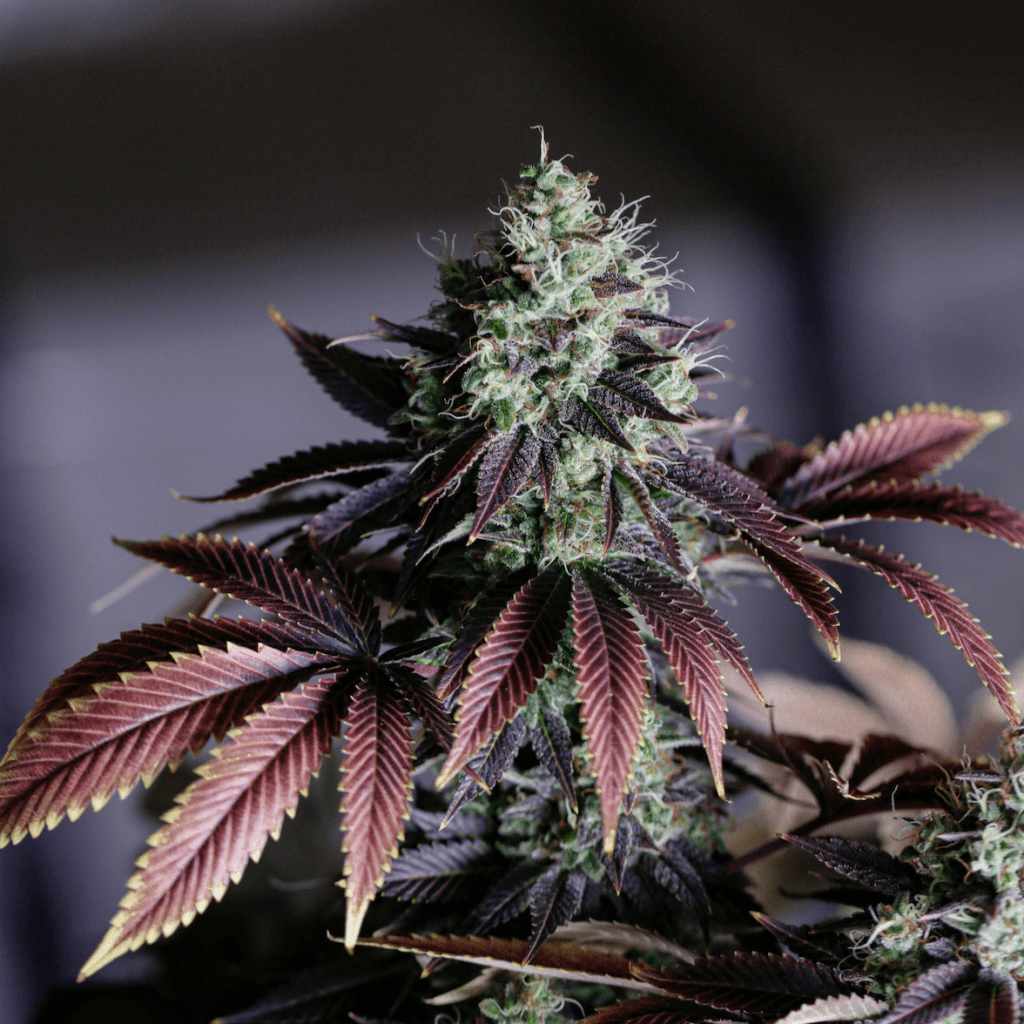
    Photo by Diyahna Lewis on Unsplash

    Environmental Impacts of Cannabis Cultivation

    Cannabis is a water intensive crop that is mainly cultivated indoors, leading to significant energy use for lighting, climate control, and ventilation. Indoor cultivation enables growers to standardize their crops, resulting in consistent products with predictable quality and potency, and also reduces the risk of theft, making it the dominant form of legal cannabis production in the US. However, it is also associated with high scope 1 and scope 2 emissions due to the on-site fuel use and electricity consumption required by this method.

    Key Drivers of Emissions:

    Because emissions from cannabis production are highest in on-site fuel use and electricity consumption, as opposed to the supply chain, operators within the cannabis industry have a significant amount of control over directly reducing emissions at growing centers. There is substantial potential to reduce scope 1 and 2 greenhouse gas emissions by implementing on-site renewable generation and procuring clean energy for electricity consumption to make indoor growing practices more sustainable.

    Even with the growth in derivative products that are associated with higher levels of embodied carbon due to added processing such as vapes, the major concern over emissions from cannabis production still stems from energy use at indoor cultivation facilities.

    Whether grown indoors or outdoors, cannabis cultivation has high water-use. Each plant typically requires between 5 and 6 gallons of water per day, posing considerable challenges in regions already facing water scarcity.

    The industry also contributes to pollution from plastic waste as cannabis products are widely distributed in single-use plastic packaging due to child-safety regulations and cost constraints.

    While some manufacturers use recyclable plastics (#2 and #5), only 9% of cannabis packaging is recycled. This can be attributed to a lack of consumer awareness about recycling practices as well as a failure of US municipalities as not all of their recycling facilities are equipped to sort #5 plastics. Despite its ability to be recycled, #5 plastic (also known as polypropylene) can mess up your local facility’s machines.

    If you live in a municipality that does accept #5 plastic such as Boulder County, CO be sure to rinse your cannabis packaging before adding it to your recycling bin, but removing the label is not necessary!

    State-Level Response: California’s Sustainability Initiatives

    In 2022, California launched the Sustainable California Grown Cannabis Pilot Program, aimed at developing best practices for environmentally responsible outdoor cannabis cultivation.

    The program focuses on:

    • Reducing greenhouse gas emissions
    • Enhancing soil health and ecological function
    • Improving water-use efficiency
    • Limiting pesticide use

    To address water challenges, some growers build and manually monitor their own irrigation systems, or use water from wells drawing from aquifers, which bypasses the need to tap into streams or municipal water—ensuring water during drought conditions.

    Additionally, state-level and private-sector innovation are promoting more energy-efficient lighting systems in indoor facilities. The traditionally used high-intensity discharge lamps such as metal halide and high-pressure sodium (HPS) lights are now being phased out in favor of LED systems. LEDs not only decrease the need for cooling but also reduce overall energy demand as they provide superior light output, significantly lower energy consumption, and reduce heat emissions. Further reductions in energy intensity can be achieved through the use of passive ventilation systems, which lessen reliance on HVAC infrastructure.

    On-site renewable generation and procuring renewable electricity through Renewable Energy Credits (RECs) and Power Purchase Agreements (PPAs) can significantly reduce direct and indirect emissions from business operations. Additionally, on-site solar energy generation can significantly lower cultivator’s energy expenses and in states with net metering programs, cultivators can even earn money on the electricity they don’t use, by exporting it back to the grid for an exchange rate.

    On the materials front, policymakers and researchers are increasingly focused on alternatives to plastic packaging. A 2023 Canadian study tested hemp-infused bio-based materials as a biodegradable alternative, and a U.S. House committee has called for further exploration of plant-based packaging solutions.

    Emissions: Indoor vs. Outdoor Cultivation

    A critical finding in cannabis sustainability research is that indoor grows generate significantly more emissions than outdoor ones.

    Lifecycle Emissions Analysis

    A lifecycle assessment by researcher Evan Mills determined that approximately 90% of cannabis-related emissions stem from indoor cultivation. According to his model, transitioning to outdoor cultivation could reduce emissions by up to 76%.  Additionally, regenerative practices that thrive in outdoor environments such as no-till farming, and cover cropping can drastically improve soil health and carbon sequestration.

    Mills’ paper notes that cultivation is moving the wrong direction as “large-scale legal indoor cultivation is increasingly concentrated in environmentally overburdened urban areas…as seen in Oakland and Denver, each of which host about 200 sanctioned plant factory operations.”

    Similarly, a University of Michigan study concluded that outdoor grows produce 50 times fewer emissions than indoor operations. However, outdoor cultivation also has its own impacts, including use of nitrogen-rich fertilizers which can lead to nutrient runoff, polluting waterways and affecting ecosystems.

    Policy and Market Structure: A Barrier to Sustainability

    Despite the environmental benefits of outdoor cultivation, policy and regulatory constraints continue to push the industry toward indoor production. Mills notes that indoor cultivation is increasingly concentrated in environmentally overburdened urban areas, such as Oakland and Denver, each of which hosts over 200 licensed grow facilities.

    One structural issue is the illegality of interstate cannabis commerce. Without the ability to move product across state lines, regions better suited for outdoor cultivation (e.g., areas with optimal sunlight, lower humidity, and abundant water) are unable to supply other markets. Legalizing interstate trade could enable more outdoor cultivation and efficient resource use—but would likely increase transportation-related emissions.

    Social Equity: A Critical Component of Sustainability

    Environmental sustainability cannot be achieved in isolation from social justice. Despite legalization in numerous states, tens of thousands of individuals remain incarcerated for cannabis-related offenses—many of whom are from historically marginalized communities. Disparities persist in arrest rates, even in states with legalized cannabis, where Black Americans are still nearly four times more likely to be arrested for cannabis-related charges than white Americans. Collateral consequences of conviction—such as loss of voting rights, employment barriers, housing discrimination, and limited access to education—continue to impact these individuals and their families long after incarceration.

    To address these inequities, several policy  changes are imperative:

    • Federal legalization and descheduling of cannabis: Cannabis remains classified as a Schedule I drug under the Controlled Substances Act—on par with heroin and LSD. Descheduling would remove cannabis from the federal list of controlled substances altogether, allowing for comprehensive reform and national equity measures.
    • Expungement and Retroactive Relief: Automatic expungement of cannabis-related records and the immediate release of individuals incarcerated for cannabis crimes. Some states, like Illinois and New York, have begun implementing automatic expungement procedures, but many others lag behind.
    • Equity Licensing Programs: Social equity programs such as those launched in California, Massachusetts, and New Jersey to provide business licenses, financial support, and technical assistance to individuals directly impacted by prohibition. These programs often face structural limitations, underfunding, and implementation delays, increasing the need to draw attention to this issue.

    Organizations like the Last Prisoner Project are working to advance these objectives. Consumers and businesses are encouraged to support advocacy efforts, attend events such as Cannabis Unity Week, and lobby for legislative reform.

    This 420 the Last Prisoner Project and Ben & Jerry’s are urging governors across the country to grant clemency to those still incarcerated for cannabis-related offenses.

    A truly sustainable cannabis industry requires holistic reform—encompassing cultivation practices, packaging materials, regulatory frameworks, and social justice.

    Current and emerging sustainability Initiatives include deployment of on-site renewable energy (e.g., solar power), procurement of renewable electricity, implementation of energy efficiency measures, adoption of water-efficient irrigation and recycling systems, and utilization of regenerative farming.

    The cannabis industry stands at a pivotal moment, facing the potential to evolve into a model for sustainable agriculture and ethical enterprise.

    But sustainability cannot exist without equity. As we work to reduce the environmental impact of cultivation, we must also demand justice for those still incarcerated under outdated cannabis laws.


  • The Role of Utopian Narratives in Creating a Sustainable Future

    Focusing on utopian societies rather than dystopian ones activates distinct psychological mechanisms that enhance problem-solving and community engagement. Evidence from psychological research reveals three key differences in their impacts on motivational pathways, behavioral  outcomes, and cognitive trade-offs.

    Photo by Caroline S.

    Utopian thinking operates through hope-driven self-regulation which fosters collective goal-setting, critique of current systems, and enhanced creativity. Hope-driven self-regulation involves using a sense of hope and agency to guide and improve one’s thoughts, feelings, and actions towards desired goals, fostering resilience and positive outcomes. 

    Collective goal-setting helps communities imagine ideal societies, activates abstract thinking, and facilitates the ability to identify shared  objectives which increases intentions for social and behavioral change. Articulating utopian visions increases critique of current systems, leading to reduced satisfaction with existing societal structures and  cognitive dissonance that drives reform. Additionally, high-level abstract thinking triggered by utopian visions help overcome mental barriers  and increase creativity, supporting innovative solutions. In contrast, dystopian thinking primarily engages fear-based  prevention by focusing on avoiding catastrophic futures and reactive (rather than proactive) problem-solving. This focus can lead to reduced trust and paranoia among communities due to the emphasis on potential risks over opportunities.

    Studies show that utopian thinking significantly benefits behavioral outcomes as it enhances both criticism of current systems and concrete plans for improvement, whereas dystopian scenarios increase tendencies to justify current systems. The table  below demonstrates impacts of utopian focused thinking vs dystopian focused thinking on social change, risk perception, and sustainability.

    AspectUtopian FocusDystopian Focus
    Social change32% increase in collective action intentionsFocuses on preventing collapse rather than building alternatives
    Risk perceptionEncourages opportunity recognitionAmplifies threat sensitivity
    SustainabilityCorrelates with environmental stewardship idealsLinks to resource-hoarding behaviors
    Primary emotionHopeFear
    Behavioral driverShared idealismSelf-preservation
    Social outcomeCohesive collective actionFragmented individualism

    As demonstrated by the table above, focusing on utopian narratives has been found to increase personal and societal hope. A study showing that utopian thinking significantly boosted hope also found that this increase in hope had a notable positive impact on collective climate action and enables cognitive alternatives to “status-quo” thinking.

    There can be cognitive trade-offs with focusing too heavily on utopian societies as it can enable escapism when change seems unlikely and requires concrete implementation plans to avoid being only a fantasy. Therefore, a balanced approach of understanding utopian opportunities and dystopian risks is most effective. Dystopian narratives can help to provide urgency through vivid warnings, however they risk desensitization with overuse which can lead to decreased community engagement after repeated exposure.

    Media, particularly books and movies have been heavily focused on dystopian futures for over a decade with series such as The Hunger Games and The Handmaids Tale becoming best sellers. The IMDB list of Utopian movies contains only 45 titles in total, many of which are from before 2010. IMBD offers another list titled “Top 100 Dystopian Movies” suggesting that there are more than 100 dystopian movies, and this list contains only the top rated titles. With this information it is clear that the ratio for dystopian movies compared to utopian movies is at least 2:1.

    Focusing too heavily on dystopian narratives only strengthens the unwanted  outcome. The media we consume and the scenarios we hypothesize about must be balanced with idealism and hope in order to build our desired world.

    The most effective strategy combines utopian visioning to establish aspirational goals and creative freedom, dystopian reality-checking to identify implementation barriers, and mental  contrasting techniques that alternate between ideal futures and current obstacles. This combined approach leverages utopia’s motivational benefits while grounding solutions in dystopia’s risk-awareness, as seen in climate action strategies that pair net-zero visions with risk analyses. This provides a holistic understanding of the risk of inaction and the opportunities that are possible through risk mitigation.

    Because the media we have access to is more heavily focused on dystopian narratives, there is a need to actively seek out or create more utopian focused media and activate a hopeful mindset. This can be done by reading books on solutions and frameworks for social and environmental sustainability, listening to positive affirmations that activate hope, learning about climate tech solutions, and learning about societies that have successfully implemented equitable systems that support human and environmental wellbeing.

    Focusing on utopian visioning, dystopian-reality checking, and utilizing mental contrasting techniques can help create innovative solutions, strengthen resilience against risks, and increase collective action.

  • Oppression to Action: Ecofeminism’s Critical Role in Solving the Climate Crisis

    As we witness both the decline of women’s rights and the weakening of environmental protections, the ecofeminist movement has become more crucial than ever.

    Shane Rounce, Unsplash.com

    Ecofeminism is a philosophical and political movement that emerged in the 1970s, connecting feminist and environmental concerns by recognizing the interconnected oppression of women and nature under patriarchal systems. The term was coined by French feminist Françoise d’Eaubonne in 1974, sparking a wave of academic and activist interest. Throughout the 1970s and 1980s, ecofeminism gained traction as scholars and activists explored the links between gender inequality and environmental degradation. 

    Key figures in the movement include Vandana Shiva and Maria Mies, whose work has been instrumental in shaping ecofeminist theory and practice. Together, Shiva and Mies developed a comprehensive ecofeminist framework that emphasizes the interconnectedness of social and ecological issues, challenges the dominant paradigm of exploitation, and promotes a more sustainable and equitable world. 

    Patriarchal capitalism simultaneously exploits women and nature through interconnected systems of domination that view both women and nature as resources to be controlled and exploited for profit. As evidenced by Shiva and Mies, our capitalist-patriarchal framework has led to environmental degradation, the marginalization of women, and the erosion of sustainable economies.

    Shiva argues that women, especially in the Global South, often bear the brunt of this exploitation as they are the primary caretakers of natural resources and communities while being most vulnerable to climate impacts. Patriarchal capitalism not only perpetuates gender inequality but also threatens the very foundations of life by undermining ecological balance and sustainable practices. This system is built on a hierarchical worldview that prioritizes masculine traits like dominance and aggression while devaluing feminine qualities such as compassion and empathy.

    Traditionally feminine traits such as compassion and empathy are critical to include in the formation of systems that prioritize sustainability, longevity and equality over endless economic growth powered by exploitation. Research demonstrates a strong correlation between women’s political leadership and proactive climate change policies. Countries with higher percentages of women in parliament consistently show greater commitment to environmental protection, evidenced by their increased likelihood to ratify international climate treaties and implement more stringent environmental regulations. There is a statistically significant and positive correlation between the presence of women in climate negotiations and an increased mention of gender in climate policy discussions. This suggests that women’s participation leads to increased climate action in general as well as more comprehensive and effective climate responses by amplifying the focus on gendered impacts within environmental policy.

    A crucial aspect of ecofeminist thought is the recognition and valuation of women’s work and knowledge. This acknowledgment extends to women’s roles in grassroots organizing and community-based activism, which often drive sustainable practices and environmental justice initiatives. Ecofeminists also emphasize the importance of biodiversity and sustainable practices, viewing them as integral to creating a more equitable and environmentally sound future

    Furthermore, there is a profound connection between women and biodiversity as women play a critical role in preserving the earth’s health. Women in rural and indigenous communities often possess deep knowledge of local ecosystems and sustainable resource management practices. This traditional ecological knowledge is invaluable for developing effective conservation strategies and sustainable land use practices.

    Shiva states that “the marginalization of women and the destruction of biodiversity go hand in hand,” highlighting women’s position as both vulnerable to and crucial for conserving biodiversity.

    Ecofeminist alternatives seek to promote systems that support a sustainable world which radically reimagines our economic and social structures, recognizes the importance of all living things, and prioritizes regeneration and equality over exploitation and domination. This movement is more urgent than ever in the current state of climate emergency paired with increasing violence against women and diminishing women’s rights.

    The Trump Administration has amplified interrelated social and environmental challenges as the they have withdrawn the US from the Paris agreement, removed climate change mentions from USDA websites, reversed support and incentives for low-carbon technology, overturned women’s rights resulting in increased maternal mortality and significant threats to women’s health, while setting the precedent that violence  against women is acceptable.

    President Trump and many of his elected officials have been accused and convicted of sexual assault and abuse, perpetuating and further normalizing exploitation of women’s bodies. Upholding this kind of behavior supports a culture that takes women’s ownership of their bodies away from them and puts it in the hands of those who want to harm and control them. This sends the message that your body does not belong to you and you don’t get to control what happens to it which is exactly what anti-reproductive rights movements support.

    Similarly, patriarchal capitalists have normalized and rewarded practices that abuse the earth by polluting ecosystems, degrading soil quality, and exploiting natural resources in pursuit of personal and economic gain with no regard for the impact this has on ecosystems and the beings that live within them.

    The diminishing support for climate action under the Trump administration exacerbates danger to women on a global scale as women are disproportionately affected by climate change. With 6 of 9 planetary boundaries already crossed, climate inaction will lead to increased natural disasters and decreased access to critical natural resources such as food and water.

    Climate-related disasters often lead to increased gender-based violence with women being 14 times more likely to be harmed during a disaster, as women are more vulnerable during displacement and when competing for scarce resources. On a global scale, women are more likely to be impacted by floods, storms, and heatwaves due to their roles in the household, limited mobility, and limited economic freedom.

    In this context, ecofeminist principles have become more critical than ever, offering a framework for understanding and addressing the intertwined issues of environmental protection and women’s rights. By recognizing the intersection of social inequalities and climate change, we can develop more effective and equitable solutions that address the unjust systems which have supported the current level of environmental degradation and inequality.

    Elevating women’s voices in environmental policymaking and ensuring their active participation in climate action is crucial for creating comprehensive and impactful strategies to combat the climate crisis.

    Ecofeminist solutions often promote alternative economic models such as subsistence economies, recognizing their potential to reduce environmental impact and foster community resilience. A subsistence economy is one where economic activity is primarily directed towards needs rather than profit. This shifts economic focus onto necessities without overexploiting resources, thus these economies naturally tend to stay within planetary boundaries and sustainable ecological limits. By emphasizing local production and consumption, ecofeminism advocates for decentralized models that can lead to shorter lead times, lower transportation costs, and increased flexibility in meeting local demands. 

    Prioritizing ecofeminist values and strategies can inspire collective climate action by reframing narratives, addressing root causes, empowering diverse voices, fostering community-based solutions, promoting holistic approaches, and cultivating hope and resilience.