Honeybees, the backbone of U.S. agriculture, are vanishing at unprecedented rates. Researchers at Washington State University project colony losses of up to 70% in 2025—a sharp increase from the typical 40–50% annual declines of the past decade.
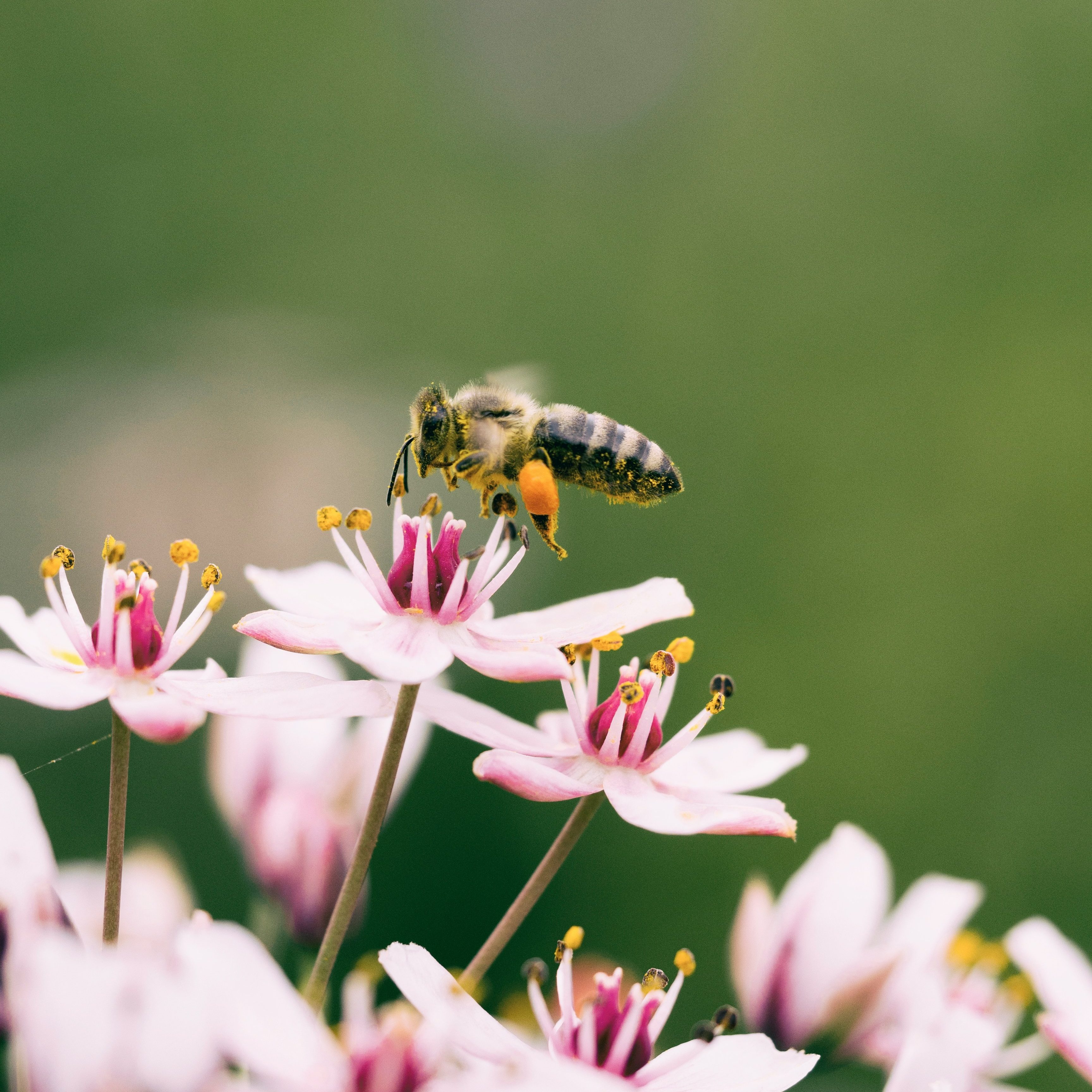
Recent data reveals that between June 2024 and February 2025 alone, U.S. beekeepers lost 62% of colonies, totaling 1.1 million hives. This crisis threatens food systems, as 35% of global crops depend on pollinators. As foundational components of food webs and providers of critical ecosystem services, their collapse signals ecological destabilization and threatens to unravel the complex networks that sustain life on Earth.
While scientists grapple with causes, ranging from pesticide exposure to parasitic mites like Varroa destructor, individuals can take meaningful steps to support both honeybees and their underappreciated native counterparts, such as mason bees.
Why Bees Matter
Honeybees pollinate over $15 billion worth of U.S. crops annually, including almonds, apples, and blueberries.
However, their efficiency pales compared to native species like mason bees, which achieve a 95% pollination rate versus honeybees’ 5%. Unlike honeybees (introduced from Europe), mason bees are solitary, sting-resistant, and active in cooler weather, making them vital for early-blooming crops like cherries.
Beyond crop pollination, bees are essential to the overall health of our ecosystems, supporting native plant biodiversity and providing food sources for other wildlife.
Threats to Bee Populations: A Deep Dive
The drastic 2025 decline stems from multiple, interconnected stressors:
- Parasites and Pathogens: Varroa destructor mites, tiny but deadly, weaken colonies by feeding on bee fat reserves and transmitting viruses. Similarly, the fungus Nosema ceranae disrupts bees’ digestion, leading to malnutrition and colony collapse. These biological threats are exacerbated by climate change, which weakens bees’ immune systems, making them more susceptible.
- Pesticides: Neonicotinoids, pyrethroids, and other agricultural chemicals impair bees’ navigation, learning, and immune function, increasing their vulnerability to other stressors. Systemic pesticides, absorbed into plant tissues, contaminate pollen and nectar, exposing bees throughout the growing season. Studies show that even sublethal doses of pesticides can drastically reduce colony survival rates.
- Habitat Loss and Fragmentation: Urbanization, monoculture farming, and deforestation reduce floral diversity and nesting sites, leaving bees with fewer food sources and places to reproduce. Increased land use for animal grazing and agriculture, including crop cultivation, is a main driver of habitat loss and fragmentation. The conversion of diverse landscapes into vast stretches of single crops deprives bees of the varied diet they need for optimal health.
- Climate Change: Shifting weather patterns, extreme events (droughts, floods, heat waves), and altered bloom times disrupt bees’ foraging and nesting cycles, impacting their survival and reproductive success. Phenological mismatches—where plants and pollinators are out of sync—can lead to starvation and reduced pollination rates. Rising temperatures also alter bee distribution and behavior, affecting their interactions with other species.
- Lack of Genetic Diversity: Modern commercial bee breeding practices have led to a narrowing of the gene pool within bee populations. This lack of diversity can lead to reduced resistance to disease and decreased adaptability to environmental changes.
The Government Isn’t Coming: Why Individual Action Matters
Despite mounting scientific evidence and dire warnings from experts, governmental action to protect bee populations remains insufficient.
Here’s why you can’t wait for the government:
- Defunding of Environmental Programs: Environmental agencies face budget cuts and deregulation, limiting their ability to enforce existing protections or implement new ones.
- Political Influence: The pesticide industry exerts significant influence on policy decisions, often undermining efforts to restrict harmful chemicals.
- Slow Bureaucracy: Even when policies are enacted, bureaucratic delays can render them ineffective. By the time regulations are implemented, bee populations may have already suffered irreversible damage.
Political gridlock, lobbying from powerful agricultural interests, and a general lack of prioritization of environmental issues have hampered meaningful policy changes.
Lobbying organizations spend millions annually downplaying the risks of pesticides, pushing for weaker regulations, and promoting false solutions. For example, Syngenta is the largest seller of pesticides highly toxic to bees, generating $1.3 billion annually from neonicotinoids and other pollinator-harming chemicals. Despite evidence linking neonics to colony collapse, Syngenta lobbied against EU bans, instead promoting “field margins” as a distraction.
Without government support, individual and community action is crucial because it’s immediate, direct, and can create a ripple effect, influencing others to take action and pressuring policymakers to respond.
How Individuals Can Help: A Comprehensive Guide
- Support Native Bees:
- Install Bee Hotels: Provide nesting sites for solitary bees like mason bees, leafcutter bees, and others. Use cardboard tubes, drilled wood blocks, or pre-made nesting boxes (like those from Crown Bees) to provide shelter. Ensure the hotels are made of natural, untreated materials.
- Offer Mud Sources: Mason bees seal nests with mud. A small patch of moist clay soil in your garden aids their reproduction.
- Create a Bee Bath: Bees need water, too! Provide a shallow dish of water with pebbles or marbles for them to land on while drinking.
- Leave the Leaves: Resist the urge to rake up all your leaves in the fall. Many native bees overwinter in leaf litter.
- Plant Bee-Friendly Gardens:
- Prioritize Native Blooms: Native plants are adapted to local conditions and provide the most nutritious pollen and nectar for native bees. Goldenrod, milkweed, asters, coneflowers, and sunflowers are excellent choices.
- Ensure Seasonal Variety: Plant spring bulbs (crocuses), summer wildflowers (sunflowers), and fall bloomers (sedum) for year-round forage.
- Skip Hybrids: Many ornamental plants lack pollen or nectar. Choose single-petal varieties over double-petal ones, as the latter often have reduced pollen production.
- Plant in Clumps: Bees find it easier to forage on large patches of the same flower.
- Let Your Lawn Grow: Allowing your lawn to grow a little longer provides habitat and food for bees and other pollinators.
- Support Sustainable Agriculture:
- Buy Organic: Organic farms often use fewer harmful chemicals and maintain hedgerows for pollinators.
- Support Local Farmers: Visit farmers’ markets and CSAs that prioritize sustainable farming practices.
- Prioritize Plant-based: Plant-based diets benefit bees by reducing the environmental pressures associated with animal agriculture, which is a major driver of habitat destruction, pesticide use, and climate change—all significant threats to pollinator populations.
- Grow Your Own Food: Even a small vegetable garden can provide a haven for bees and other pollinators.
- Compost: Composting reduces waste and provides nutrient-rich soil for your garden.
- Educate and Collaborate:
- Knowledge Sharing: Teach neighbors to build bee hotels or plant pollinator gardens.
- Support Conservation Science: Donate to groups studying honeybee health or native bee conservation. Organizations like Save The Bees and BeesMAX use crowdfunding to support bee research, habitat restoration, and other initiatives to help bees.
- Citizen Science: Report bee sightings via apps like iNaturalist to aid research.
- Spread the Word: Use social media to raise awareness about the bee crisis and inspire others to take action. Share my post!
In today’s fast-paced world, fitting these activities into your schedule might feel overwhelming. However, they can be done in groups, making them more manageable—and offering a great way to foster social connection in an increasingly isolated society.
A Future for Pollinators
While honeybee declines dominate headlines, solutions require a shift toward biodiversity. Research shows that orchards with both honeybees and mason bees achieve higher fruit sets, highlighting the synergy between species.
The interconnectedness of climate change, biodiversity loss, and the insect crisis demands integrated strategies. By nurturing native plants and bees, individuals can buffer ecosystems against collapse.
From urban balconies to rural farms, every mud-capped tube and pesticide-free flower matters. The buzz of bees—whether honeybee or mason—is a sound worth saving. The survival of these essential creatures depends on our collective action. It is time to act, not just for the bees, but for our own future.
