Tag: Climate Change

  • What We Do to Nature Makes Us Sick — Literally

    With COVID-19 cases rising again globally and health agencies monitoring potential threats from bird flu (H5N1, H9N2) and yellow fever, global organizations — including the World Health Organization (WHO) — have recognized the ongoing risk. They recently signed a new Pandemic Agreement to improve preparedness, as high-threat infectious hazards continue to increase due to animal agriculture, deforestation, urbanization, and global wildlife trade.
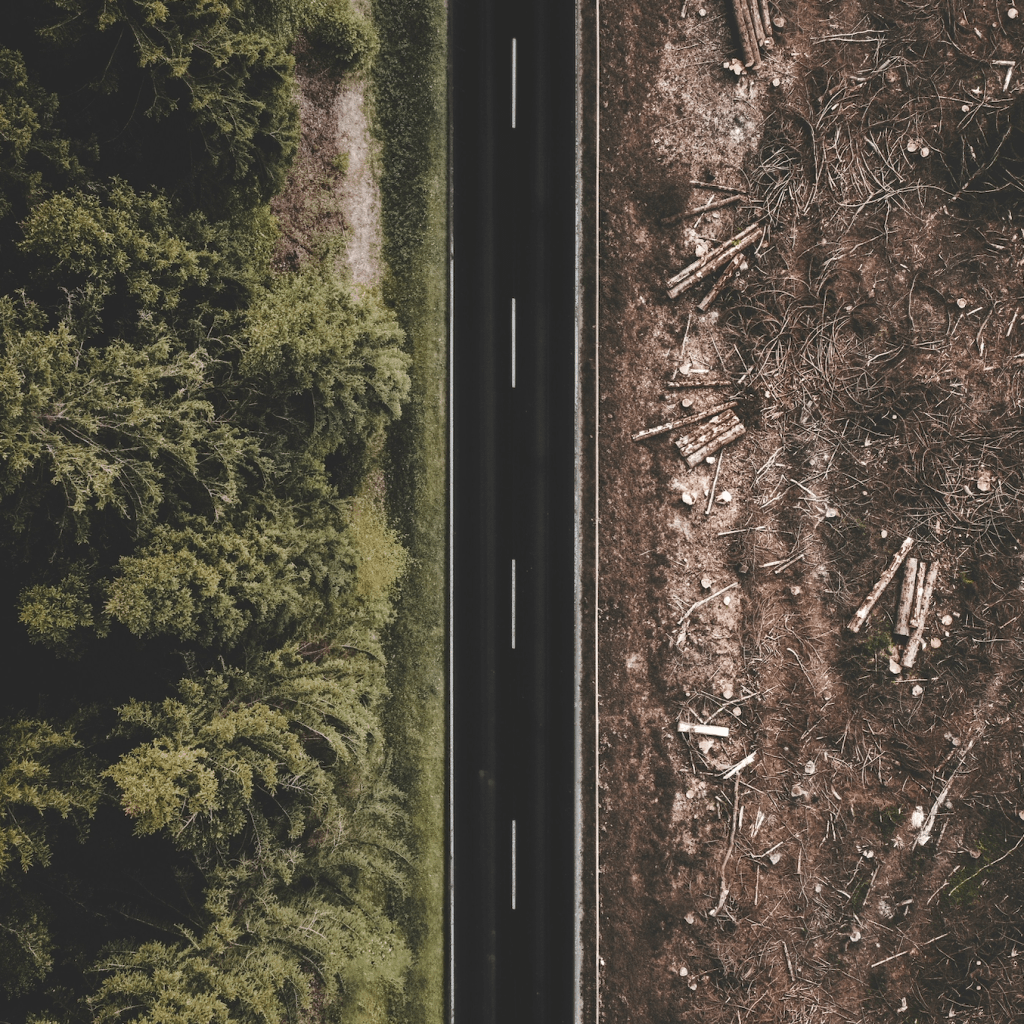
    Photo by Justus Menke on Unsplash

    Research over the past several years, particularly the Intergovernmental Panel on Biodiversity and Ecosystem Services (IPBES) Workshop Report on Biodiversity and Pandemics, has revealed how pandemic risk and biodiversity loss are interlinked consequences of unchecked ecological exploitation, economic growth, and lack of effective policy.

    These risks compound: habitat destruction not only accelerates species extinctions but creates more pathways for dangerous viruses to emerge, multiply, and move into human populations.

    Root Causes: How Human Activity Drives Spillover

    Over 70% of new diseases in people—and nearly all pandemics, like COVID-19—originate from animal microbes also known as “zoonoses”. These spillovers occur when human activities disrupt natural barriers, usually through activities like:

    Agricultural expansion. Converting natural habitats like forests and grasslands into farmland is responsible for over 30% of emerging disease events, making it one of the strongest predictors of spillover. Land use change like this causes increased contact between humans, livestock, and wildlife, which makes it easier for diseases to pass from wild animals to people (zoonotic spillover).

    Intensive livestock production. Factory farms crowd genetically similar animals together in unsanitary dwellings, creating ideal conditions for pathogens to spread and evolve. Animals in factory farms frequently suffer from a variety of illnesses, and many of these conditions often go unnoticed or untreated due to the sheer number of animals and unmanageable animal-to-worker ratios. These environments substantially increase the probability that a disease will jump from animals to humans.

    Deforestation. Clearing forests for agriculture, logging, or settlement destroys wildlife habitats and forces animals into closer proximity with people and livestock. More than 70% of deforestation is driven by agricultural expansion, particularly for grazing and feed crops.

    Urbanization. Rapid growth of cities creates densely populated areas where diseases can spread quickly and where expanding development pushes into formerly wild spaces, increasing human contact with wildlife.

    Global wildlife trade. The legal and illegal trade of wild animals transports pathogens across borders and brings stressed, diverse species into close quarters with humans, creating ideal spillover conditions.

    Together, these activities fragment habitats and expose people and livestock to roughly 1.7 million undiscovered viruses, an estimated 600,000 of which could infect humans.

    A World Wildlife Fund (WWF) analysis adds that pandemic risk is best understood as feedback loops: agricultural expansion, luxury wildlife demand, industrialization, and global trade all reinforce each other, making spillover not just a single event but the product of complex, interconnected systems.​

    Increasingly, scientists and policy leaders advocate for the “One Health” approach—a recognition that human, animal, and ecosystem health are inseparably connected. One Health calls for collaborative action across medicine, veterinary science, agriculture, and environmental protection, aiming to address the root causes of disease outbreaks and ecosystem collapse at their source rather than simply reacting to emergencies. 

    These root causes mirror the forces behind climate change and global inequality: weak regulation, extractive industries, and profit-driven systems that degrade the very ecosystems acting as our first line of defense.

    Animal Agriculture: A Major Driver of Climate Breakdown and Pandemic Risk

    Animal agriculture sits at the center of both ecological disruption and disease emergence, making it one of the most significant contributors to pandemic risk.

    Livestock farming is responsible for 12–20% of global greenhouse gas emissions, produces 37% of human-caused methane, and drives widespread deforestation, water contamination, and biodiversity loss. As global meat consumption rises, the demand for land and feed crops intensifies, pushing agricultural expansion deeper into natural habitats.

    Industrial livestock operations also create ideal conditions for infectious disease evolution. Crowded, genetically similar animals enable viruses to spread rapidly and mutate. Many zoonotic pathogens — including avian and swine influenza and antibiotic-resistant bacteria — originated in high-density livestock systems. Live animal transport and global supply chains further amplify transmission risk, moving pathogens across borders at rapid speed.

    The ongoing surge in bird flu outbreaks illustrates these risks: in 2025, millions of chickens and turkeys in North America have been killed to contain infection as H5N1 spreads rapidly in crowded factory farms, which serve as hotspots for viral mutation and transmission. When avian flu is detected in a flock, authorities typically employ mass culling methods—such as gassing or suffocation—which kills every bird in the shed to halt the disease’s spread. This process highlights the normalization of suffering and waste in our food systems.

    Research consistently shows that transitioning toward plant-based food systems would reduce emissions, restore ecosystems, and significantly lower the risk of emerging pandemics.

    Structural Causes: Capitalism, Inequality, and Rising Risk

    As discussed in my previous post on climate and wealth inequality, ecological damage is not evenly caused or experienced. Pandemic risk follows the same pattern.

    Large-scale deforestation, industrial agriculture, and wildlife commodification are often financed and directed by high-consuming nations and powerful multinational corporations like JBS and Walmart. These actors profit from activities that degrade ecosystems, while the resulting disease and environmental risks are displaced onto communities.

    In a growth-focused global economy, capital flows into industries such as factory farming, fossil fuel extraction, mining, and wildlife trade — sectors that depend on cheap land, weak environmental regulation, and low-cost labor. As these industries expand into biodiversity-rich regions, they fragment ecosystems, displace wildlife, and intensify opportunities for spillover. Global supply chains built for speed and efficiency further entrench this dynamic by externalizing environmental and health costs onto exploited nations and communities.

    The very industries that degrade ecosystems and compromise community health channel their profits to corporations and wealthy nations, widening the gap between those who bear the consequences and those who reap the rewards.

    Many of the world’s spillover “hotspots” lie in tropical regions managed or inhabited by Indigenous and rural communities who often lack the political power to resist industrial expansion by dominant nations. As a result, these communities face polluted waterways, degraded land, inadequate health infrastructure, and increased exposure to zoonotic disease. When outbreaks occur, indigenous and rural communities experience disproportionate illness, loss of income, and long-term social disruption. Meanwhile, high-consuming nations continue to benefit from exploitation and the availability of cheap commodities, while displacing the risks elsewhere.

    The WWF highlights that protecting Indigenous land rights, supporting community-led resource management, and ensuring equitable participation in conservation are not simply justice issues—they are frontline strategies for pandemic prevention. Indigenous management consistently leads to better conservation outcomes, healthier forests, and—by extension—lower pandemic risk.

    Calls for pandemic justice echo those of the climate justice movement: those who benefit most from ecological destruction must bear the greatest responsibility for prevention, restoration, and reparative action.

    How U.S. Policy Has Increased Vulnerability

    If we learned anything from COVID-19 its that reactionary approaches to pandemics are slow, expensive, and inadequate to the scale of the threat (WHO). Instead, prevention must start with transforming the policies that drive ecosystem disruption.

    However, recent U.S. policy decisions under the Trump administration have amplified vulnerability to disease emergence and environmental harm simultaneously.

    For example, despite warnings from experts about the risk of foot-and-mouth disease in Argentinian cattle, the Trump administration moved forward with policies to expand beef imports from Argentina, a decision that raises the risk of introducing animal diseases into U.S. herds and exemplifies the prioritization of economic and trade interests over ecological and public health safety.

    The administration has also greatly weakened the authority of the Environmental Protection Agency (EPA), which has resulted in reduced protections against pollution and habitat destruction across millions of acres, leaving vital wetlands and other ecosystems vulnerable to unsustainable development.

    Additionally, there have been significant cuts and delays to federal research funding for emerging infectious diseases, undermining efforts at the National Institutes of Health (NIH) and other agencies to develop new diagnostics, vaccines, and treatments, and diminishing the nation’s ability to monitor and respond to public health threats.​

    Finally, the U.S. withdrawal from the (WHO) disrupted global data sharing and international public health collaboration, creating funding gaps in vital programs, limiting U.S. influence over international health policy, and reducing coordination on pandemic preparedness with global partners.​.​

    These decisions mirror broader climate deregulation: short-term economic gains for those in power, long-term social, health and environmental risks for everyone else.

    Plant Based Diets as Resistance

    When governments prioritize corporate interests over ecological and public health, it is easy to feel powerless. Yet individual choices — especially the ways we eat and where we put our dollars — offer a powerful form of resistance. A plant-based diet directly withdraws support from the industries most responsible for both climate instability and pandemic risk.

    A plant-based diet reduces risk across multiple systems:

    • Lower pandemic risk: Reducing dependence on factory farming — one of the primary incubators of zoonotic disease — lowers the conditions that enable pathogens to spill over into human populations. Studies show that people eating primarily plant-based diets experience lower COVID-19 severity and improved immune outcomes.
    • Reduced land pressure: Animal agriculture uses 80% of global farmland but supplies less than 20% of calories. Shifting to plant-based diets frees vast areas of land for reforestation, ecosystem recovery, and carbon sequestration.
    • Climate mitigation: Plant-based diets reduce greenhouse gas emissions by nearly 50%, while also decreasing water use, pollution, and resource depletion.
    • Biodiversity protection: Less demand for meat slows deforestation, protects wildlife habitats, and reduces landscape fragmentation — one of the strongest predictors of zoonotic spillover.

    Individual dietary choices can activate our collective power. Even small shifts — like choosing plant-based meals a few times per week — reduce pressure on natural habitats and act as a form of climate care.

    International health bodies like WHO, IPBES, and the One Health High-Level Expert Panel consistently affirm that addressing pandemic risk requires protecting ecosystems, reducing destructive land use, and prioritizing community well-being over extractive growth.

    Conclusion

    While plant-based diets strengthen pandemic and climate resilience at an individual level, systemic transformation is needed to address climate and pandemic risk on a global scale.

    The most effective pandemic mitigation strategies cited from IPBES to WHO, BMJ, and global One Health networks include:

    • Nature-first prevention: Restoring forests, ending deforestation, and protecting biodiversity hotspots maintain the ecological stability that prevents spillover. Healthy ecosystems act as protective shields against emerging infectious diseases.
    • Integrated One Health policies: Aligning human, animal, and environmental health strengthens surveillance, early detection, and coordinated responses across sectors. The One Health model is now widely recognized as essential for global pandemic preparedness.
    • Community-led conservation: Indigenous and frontline communities consistently achieve stronger conservation outcomes through place-based knowledge, stewardship, and long-term relationships with land. Their leadership protects biodiversity while strengthening social resilience.
    • Redirecting funding toward prevention: Investing billions annually in early-warning systems, ecological restoration, and public health infrastructure breaks the costly cycle of reactive crisis management. Prevention is more effective, equitable, and sustainable than emergency response.

    These solutions reflect the growing alignment between climate justice and pandemic prevention frameworks. Both demand a shift away from extractive, profit-driven models of growth and promote moving toward long-term ecological stability, community well-being, and global solidarity.

    Climate care is pandemic prevention. Biodiversity is a protective shield that stabilizes the climate, regulates ecosystems, and buffers humanity from disease. When we dismantle that shield, the consequences cascade through every aspect of life.

    The latest evidence, echoed by WWF, makes clear: The solutions that prevent pandemics are the same ones that restore justice and planetary health— restoring ecosystems, reducing reliance on animal agriculture, supporting Indigenous leadership, and enacting policies that prioritize people and the planet.

  • The Virgin Suicides as Ecofeminist Parable

    Cecilia was an embodiment of compassion, her quiet gaze falling on what others overlooked: the elm tree in the yard, the “othered” boy at a party, species facing extinction. In her presence, small details grew unbearably heavy, as if she carried the grief of the world before she had even lived much of it.

    To be a compassionate person living through the sixth mass extinction and the rise of fascism is to feel that same weight—a witness to a civilization numbed by capitalism and distraction, yet burdened with knowledge.

    Cecilia’s attention to suffering is not merely sensitivity: it is radical witness. She refuses to let the decline of the natural world or the pain of the vulnerable fade into the background hum of everyday life.

    Watching The Virgin Suicides now, what lingers is not its pastel suburban nostalgia but the undercurrent of warning woven into every frame. The film feels like a mirror, revealing the mundane ways our own world ignores cries for help until monumental tragedy erupts.

    “The Brazilian turbot frog was added to the endangered species list today. That’s the third animal this year.”

    As scientific consensus declares our world is in the midst of its sixth mass extinction, society insists we carry on as though nothing has changed. Capitalism numbs us with relentless demands, leaving little room for mourning. Extinction becomes something to scroll past, something someone else will fix. It hums behind commutes and the tired sigh at the end of a shift. The weight of it is carried silently by those who still feel it, those whose compassion refuses to shut down.

    In The Virgin Suicides, this dynamic is captured in miniature. Cecilia speaks with clarity, her words sharpened by her reserved demeanor, but her mother is distracted—hands busy performing unpaid domestic labor, mind splintered across endless obligations. It is not cruelty that keeps her from actively engaging, but exhaustion, the kind that dulls empathy. The Lisbon household becomes a metaphor for our society at large: a place where care exists but isn’t given the attention it deserves, where voices of warning are muffled by the ceaseless clatter of survival, societal expectations, and maintaining the status quo.

    Unlike the five mass extinctions that came before—driven by meteors or volcanic eruptions—this one is driven by humans. Greenhouse gases emitted in the process of manufacturing unnecessary goods raise global temperatures, land-use change devours habitats to grow crops for animals that were bred purely for the sale of their dead bodies, and synthetic chemicals permeate ecosystems. Species are vanishing at 1,000 to 10,000 times the natural rate with nearly 40% of amphibians and a third of all assessed species now standing on the brink of existence.

    To feel this devastation while living under the very system that creates it is infuriating. Capitalism steals our time and mental energy even as it drives pollution and ecological collapse. Simultaneously, our political and economic systems block climate solutions because they are not immediately profitable. Life on Earth is sacrificed for quarterly earnings reports.

    During the Trump administration, this unraveling only accelerated. The EPA pursued the largest deregulatory campaign in U.S. history, rolling back more than thirty protections on clean air, water, and climate. Efforts were made to revoke the endangerment finding—the scientific foundation for regulating greenhouse gases—effectively stripping federal authority to regulate greenhouse gas emissions. The Department of Energy expanded oil and gas leasing and expedited approvals for liquefied natural gas. By allowing for increased, unregulated emissions as scientists warn of irreversible tipping points, the administration made its position clear: profit will be protected, even if it means sacrificing life itself.

    Meanwhile, the National Environmental Policy Act was hollowed out, cutting public input and oversight, giving corporations unprecedented access to public lands with minimal accountability. The Endangered Species Act was revised so that only direct killing of a species counted as “harm,” allowing habitat destruction from mining, logging, and development even in areas where species are facing extinction.

    The result: expanded drilling and logging in once-protected areas, collapsing protection of land and wildlife, and increasing threats to species from the lynx to the cutthroat trout.

    This is the disease that will kill the planet, the relentless prioritization of corporations and profit over living beings. Entire species were written off as collateral damage for short-term profit. It is the same logic that underpins patriarchy and fascism: that life—human or nonhuman—can be measured, exploited, and discarded when inconvenient.

    Under U.S. law, corporations are granted personhood, giving businesses more rights than entire species of  animals that are capable of feeling grief and pain as their food supply and habitats are destroyed.

    Just as entire species are erased for profit, so too are people devalued when their existence doesn’t serve the dominant order.

    “Everyone, look! His ears wiggle if you scratch his chin!”

    At Cecilia’s party, a boy with Down syndrome named Joe becomes the target of thoughtless amusement. The guests chant for Joe to “sing [his] song,” laugh as they scratch under his chin to make his ears wiggle, and reduce him to a spectacle. Cecilia’s expression grows doleful before she quietly excuses herself to her room, for the last time.

    The cruelty at this party echoes forward into our own time, where governments stage wars against those who deviate from the dominant mold. Fascist systems rely on this dehumanization—reducing entire populations to caricatures or burdens—to justify harm.

    I do not blame the boys mocking Joe; they are children shaped by a society that rewards cruelty and punishes difference. In this world, vulnerability is branded as weakness, and to stand out is to invite ridicule. Cecilia, by contrast, represents those who refuse to fall under the spell of apathy—the ones who can recognize injustice without needing it explained and feel it too heavily to ever partake in being part of  the status quo that upholds it.

    The Trump administration echoed this mockery with severe, targeted campaigns against marginalized groups, including disabled people. It slashed workplace protections, undermined housing rights, cut critical disability services like Medicaid, and weakened equity in education—each policy signaling that disabled people were obstacles to profit rather than humans deserving dignity.

    Executive orders called for forced institutionalization of people with mental health disabilities and the unhoused, while funding was cut from community-based, evidence-backed programs. Simultaneously, decades of diversity, equity, and inclusion efforts were unraveled, rolling back protections for women, people of color, LGBTQ+ communities, and minority-owned businesses.

    Dehumanization, once embedded in law, normalizes violence against the most marginalized. This has been a cornerstone of U.S. policy since the founding of our nation,  enabling systemic oppression of marginalized groups for centuries.

    To stand with Cecilia is to know the ache of compassion. To witness systemic cruelty with an open heart is to carry grief, to refuse numbness, and to choose solidarity over convenience, even when it hurts. It binds us to one another, insisting that we recognize injustice rather than look away.

    “Elm trees. How many pages can you write about dying trees?”

    As the boys sift through Cecilia’s journal, they dismiss her many entries on the elm trees in their neighborhood as boring. Yet her attention to the ordinary is a radical act.

    Throughout the film, the dying elm trees stand as a symbol of decline—a slow disease spreading through the neighborhood, mirroring the suffocation inside the Lisbon home. The neighborhood’s impulse to cut them down reflects the desire to sanitize decay, to maintain a façade of suburban stability by erasing what feels uncomfortable.

    Cecilia’s devotion to protecting the elms is her refusal to turn away from truth and suffering. She embodies what it means to remain present with loss in a culture that prefers distraction, denial, forgetting, and toxic positivity. To mourn openly, to name tragedy, to refuse normalization is itself resistance.

    In our own time, being able to grieve climate and humanitarian crises is resistance: it breaks through the capitalist logic that tells us to keep working, keep consuming, keep scrolling. The girls’ ability to be present with the dying trees mirrors those who understand the magnitude of loss our planet is currently experiencing, yet continue trying to heal it.

    Climate optimism divorced from grief is blind ignorance. To pretend that the reversal of climate protections and the acceleration of planetary damage under Trump’s policies are anything less than devastating is dishonest. But grief need not paralyze us.

    When we allow ourselves to feel the weight of what has been lost, we clear the ground for informed action—organizing, advocating, voting, defending the vulnerable, and demanding policies that restore life and dignity.

    “Given Lux’s failure to make curfew, everyone expected a crackdown. But few expected it would be so drastic.”

    When Lux breaks curfew on the night of the homecoming dance, all the sisters are punished. Their brief taste of freedom collapses into total isolation. Lux is forced to destroy her rock records—ritualistically cutting off rebellion and self-expression.

    This scene reflects a broader political truth: freedoms granted to women under patriarchy are always conditional. When women step too far outside the lines, those freedoms are swiftly revoked.

    The Lisbon sisters’ confinement reflects the powerful backlash against feminist gains over recent decades. Throughout the 2010s, feminist activism surged globally: #MeToo exposed pervasive sexual harassment, more women entered parliaments and leadership positions, and advances in reproductive rights, education, and workplace protections expanded possibilities for women worldwide. Intersectional approaches linked gender justice to racial, economic, and environmental struggles, increasing visibility and solidarity.

    However, the early 2020s witnessed a wrenching rollback. The Trump administration catalyzed a rapid erosion of women’s rights: abortion access was severely restricted in multiple states, federal funding for women’s health and family planning was slashed by billions, and research on women’s health was defunded. These efforts often weaponized “gender ideology” rhetoric to justify aggressive anti-rights campaigns, fueling a broader resurgence of fascist and ultraconservative forces globally.

    The persistence of this backlash reveals a grim truth: women’s freedoms remain fragile, granted only on patriarchal terms. The Lisbon sisters’ punishment after their brief glimpse of freedom is a stark metaphor for our moment—reminding us that the struggle for bodily autonomy, justice, and liberation from patriarchal control is far from over.

    “If the boats didn’t bring the fungus from Europe, none of this would have happened.”

    As the landscapers prepare to tear down Cecilia’s beloved elm, the sisters cry out in protest. Bonnie reminds us that Dutch elm disease was not some inevitable act of nature but a byproduct of human trade and carelessness—fungus carried across oceans on ships, entwined with commerce. The landscapers’ solution, cutting the tree at its base, is cruelly ironic: it attacks the symptom while leaving the deeper systems of circulation and extraction that enabled the disease in the first place untouched.

    Likewise, mainstream visions of “green growth” treat ecological collapse as a technical glitch to be patched with electric cars and renewable technologies—solutions often accessible only to the privileged—while ignoring the extractive capitalist, colonial, and industrial systems that drive ongoing environmental devastation.

    The logic of infinite growth, heralded as progress, clashes fundamentally with the reality of a finite Earth. Humanity currently consumes natural resources at a rate equivalent to 1.7 Earths annually, outpacing the planet’s ability to regenerate.

    Efficiency gains boasted about by green growth advocates often provoke more consumption rather than less, and “decoupling” growth from extraction remains illusory at the scale our survival demands. Overreliance on technological solutions and market-driven approaches risks perpetuating exploitation and inequality rather than remedying them.

    True repair requires a reimagining of how we live with the land and with one another. A holistic response sees ecological, social, technological and economic systems as bound together, demanding solutions that honor planetary limits while centering justice and care. It means dismantling the conditions that created the climate crisis, and building systems rooted in reciprocity, not profit.

    “Our daughter showed us an article. It’s a less aggressive therapy.”

    While the sisters continue to protect Cecilia’s elm tree, their father recalls her suggestion of a less aggressive therapy than cutting them down and offers it to the landscapers.

    The treatment Cecilia proposed echoes the values of ecofeminism. Ecofeminism critiques patriarchal systems that dominate and exploit both women and the natural world, offering instead an ethic of holistic care, reciprocity, and regeneration. It emphasizes that nurturing and healing are not sentimental choices but ethical necessities.

    Cecilia’s quiet advocacy for regeneration over destruction mirrors this ethos. She resists the reflex toward violence and control, choosing repair and restoration instead.

    Yet the suggestion is brushed aside, dismissed as impractical. The landscaper embodies the worldview of patriarchal capitalism: one that trusts only in domination and quick fixes, unable or unwilling to acknowledge the need for deeper transformation. From this vantage, technological solutions are enough, while the roots of exploitation—patriarchy, capitalism, colonialism—remain invisible, untouched.

    This denial exposes the obstacle at the heart of our ecological crisis. The same system that isolates the girls and destroys the elms is the one that devours the earth’s resources and rescinds women’s rights when our presence threatens its control.

    Without confronting the systems that train us to treat life as disposable, attempts at “repair” will replicate the same harm. True healing demands more: a commitment to regenerative ways of living grounded in justice, care, and respect—the very principles ecofeminism offers, and the wisdom the Lisbon sisters carried in their refusal to turn destruction into inevitability.

    “It didn’t matter in the end how old they had been, or that they were girls, but only that we had loved them… and that they hadn’t heard us calling, still do not hear us calling them out of those rooms where they went to be alone for all time.”

    After the sisters’ deaths, the neighborhood boys turn them into myth, stitching together fragments and half-memories.

    This is how collapse is so often met: we romanticize what is gone rather than fight for what remains. We write elegies for species we failed to save. Memory becomes a poor substitute for justice.

    The Lisbon girls did not need elegy; they needed to be heard. The same is true of our burning forests, our poisoned rivers, our sisters who are having their rights revoked and our neighbors who are treated as disposable by systems of profit and control.

    The tragedy of The Virgin Suicides is not only the girls’ deaths but the silence that surrounded them—the refusal to recognize despair until it was too late. The greater tragedy would be to repeat that mistake now—to ignore grief, to dismiss the calls for change—until it is too late.

  • The Hidden Currents of Consumption

    As the sun swims through the sign of the Crab, we enter a season ruled by the Moon, the celestial body that commands the oceans’ tides. A primordial longing flows through us. We’re drawn to rivers, lakes, beaches, and streams, urging us to return to the planet’s circulatory system: water, the lifeblood of Earth.

    Cancer calls us to care for what nourishes us. As sunflowers reach for the sky and peaches swell with sweetness, the gifts of summer rely on the same water we seek for solace, are made of ourselves, and depend on to survive.

    But what happens when this essential element is in crisis?

    Photo by Chris Lawton on Unsplash

    Water stress now affects over 4 billion people for at least one month per year. Climate change, poor water governance, and pollution are diminishing both the quantity and quality of our freshwater reserves. In many parts of the world—including the western U.S., India, the Middle East, and regions of sub-Saharan Africa—demand has begun to outpace supply.

    It’s easy to separate the ocean from the stream near your home, or the tap in your kitchen. But they’re part of the same story. Over 80% of ocean pollution originates from land—carried downstream by rivers stripped of their buffers and wetlands polluted by industrial development.

    This is why caring for rivers, lakes, and wetlands is also ocean conservation. It’s why holistic water management—across the entire hydrological and industrial supply chain—is essential.

    The Hidden Water in Our Consumption

    The water supply chain is a vast and intricate system:

    • Water is drawn from rivers, lakes, reservoirs, and aquifers.
    • It’s filtered, treated, and conveyed—often through aging, leaky infrastructure—to homes, farms, and factories.
    • Used water becomes wastewater, which must be captured, cleaned, and either discharged or ideally, reused.

    In US cities across Georgia, Illinois, and Michigan, up to 80% of treated water is lost before it even reaches a faucet due to degrading infrastructure. And a far greater share of water is invisible to us, embedded in the products we consume daily.

    This is known as virtual water, or more precisely, a product’s water footprint. It measures the total volume of water used across a product’s life cycle—from production to disposal. The average water footprint of a pound of beef is around 1,800 gallons. A single cotton T-shirt? Nearly 3,000 gallons.

    To understand these numbers, it helps to break water footprints into three components:

    • Blue water refers to surface and groundwater from lakes, rivers, and aquifers that is used for irrigation, manufacturing, and household needs. It’s the most visibly extracted and often the most contested.
    • Green water is the rainwater stored in soil and used by plants. It supports crops and forests and is essential for agriculture that relies on rainfall rather than irrigation.
    • Grey water, in this context, measures the volume of freshwater needed to assimilate pollutants and restore water quality to safe levels. It’s the hidden cost of contamination—how much clean water must “dilute” the waste we’ve introduced.

    When we consider this fuller picture, it becomes clear: water scarcity is not limited to deserts or drought zones. It is built into global trade, stitched into textiles, and woven into the very infrastructure of modern consumption.

    Within this tapestry, our choices ripple outward.

    Responsible Consumption

    A shift toward veganism is not merely dietary—it’s a profound act of water stewardship. Producing plant-based foods generally requires significantly less blue and green water than animal agriculture, which demands irrigation for feed crops and vast volumes for livestock upkeep. By embracing more plant-forward meals, we ease nature’s burden, allowing water to remain in wild places, nourishing ecosystems and communities alike.

    The same applies to the clothes we wear. Growing crops like cotton requires significant amounts of blue and green water, while dyeing and processing fabrics contributes to grey water pollution on a massive scale. Yet when we choose reused or recycled textiles, we can avoid unnecessary resource extraction.

    Capitalism and the Privatization of Water

    To speak of water scarcity as a matter of personal virtue alone is to mistake the tributary for the river. The burden of sustainable consumption, so often placed on individuals, obscures the deeper currents of exploitation that shape our present crises.

    Under capitalism, rivers are dammed and diverted, aquifers drained, and watersheds sacrificed at the altar of growth. Market logic privileges extraction over renewal, severing water from the web of life it sustains.

    “Capitalism turns material abundance into socially constructed scarcity. No resource—not even water—is exempt from that violent process.” – Meg Hill

    Corporations and states, in their quest for capital and control, privatize and siphon water from the commons which leaves communities deprived and ecosystems depleted.

    In the U.S., nearly 73 million people rely on private water companies, which often charge rates nearly 60% higher than public utilities. While some claim privatization brings efficiency, many of these companies are less accountable to the public and have been criticized for underinvesting in infrastructure while extracting steady profits from a basic human need.

    Meanwhile, financial markets have begun treating water as a speculative asset. In 2020, the CME Group launched a water futures market in California, allowing investors to trade on scarcity itself.

    Michael Burry, the investor known for predicting “The Big Short,” has publicly stated that the best way to invest in water is through food production—growing crops in water-rich areas and selling them in water-poor regions—not by buying water rights directly. The growing involvement of private investors in water rights and infrastructure raises concerns about balancing profit with public access, especially as many communities face water shutoffs, contamination, and drought.

    Corporate Water Consumption

    In many places, water is not a right but a privilege. Its availability is governed not by need, but by wealth, geography, and political power. For example, in Mesa, Arizona, a desert city facing prolonged drought, Meta and Google have built massive data centers that rely on millions of gallons of potable water daily for cooling. These facilities can use as much as 4 million gallons per day, which is enough to supply water to tens of thousands of people. Residents and tribal groups are left scrambling to secure remaining resources, highlighting how access to clean water is granted to those with leverage, not need.

    This is not an anomaly. Across the world—from avocado exporters in water-privatized Chile, where entire rivers are diverted to serve export markets, to Coca-Cola bottling plants in India that have drained local aquifers and left surrounding villages parched—access to water increasingly flows toward corporate greed, not ecological need or human rights. This global economic order, built on the extraction of “cheap nature,” externalizes its costs onto the most vulnerable. Through these examples we can see that the ultra-wealthy are positioning themselves to profit from water while millions face shutoffs, contamination, and drought reveals the brutal logic of commodification: water flows not toward life, but toward capital. Those least responsible for water degradation often suffer its gravest consequences.

    Water as a Weapon of War

    Water injustice also takes political and colonial forms, with one of the most extreme examples occurring in Palestine, where control over water is wielded as a tool of occupation and exclusion. These layers of oppression deepen the global struggle for water justice and remind us that water is inseparable from broader fights for freedom and dignity.

    Water Justice Advocacy

    Yet acknowledging these systems is not to surrender. Our choices—how we nourish ourselves, how we dress, how we show up for what we believe in—still create ripples in the current.

    Water carries us across oceans, through summers, and through survival itself. To honor water is to protect what sustains us. Not just in moments of drought or disaster—but daily, collectively, deliberately.

    This means rejecting the myth of limitless extraction and embracing an ethic of reciprocity. True transformation won’t come from consumer virtue alone. It demands systemic accountability, collective action, and a reimagining of our relationship with water—and with one another.

    We must advocate for public water stewardship, invest in resilient infrastructure, and support movements fighting for environmental and social justice. Because water is not a commodity. It is a life source. A right. And its fate is inseparable from our own.