Tag: Ecology

  • What We Do to Nature Makes Us Sick — Literally

    With COVID-19 cases rising again globally and health agencies monitoring potential threats from bird flu (H5N1, H9N2) and yellow fever, global organizations — including the World Health Organization (WHO) — have recognized the ongoing risk. They recently signed a new Pandemic Agreement to improve preparedness, as high-threat infectious hazards continue to increase due to animal agriculture, deforestation, urbanization, and global wildlife trade.

    Photo by Justus Menke on Unsplash

    Research over the past several years, particularly the Intergovernmental Panel on Biodiversity and Ecosystem Services (IPBES) Workshop Report on Biodiversity and Pandemics, has revealed how pandemic risk and biodiversity loss are interlinked consequences of unchecked ecological exploitation, economic growth, and lack of effective policy.

    These risks compound: habitat destruction not only accelerates species extinctions but creates more pathways for dangerous viruses to emerge, multiply, and move into human populations.

    Root Causes: How Human Activity Drives Spillover

    Over 70% of new diseases in people—and nearly all pandemics, like COVID-19—originate from animal microbes also known as “zoonoses”. These spillovers occur when human activities disrupt natural barriers, usually through activities like:

    Agricultural expansion. Converting natural habitats like forests and grasslands into farmland is responsible for over 30% of emerging disease events, making it one of the strongest predictors of spillover. Land use change like this causes increased contact between humans, livestock, and wildlife, which makes it easier for diseases to pass from wild animals to people (zoonotic spillover).

    Intensive livestock production. Factory farms crowd genetically similar animals together in unsanitary dwellings, creating ideal conditions for pathogens to spread and evolve. Animals in factory farms frequently suffer from a variety of illnesses, and many of these conditions often go unnoticed or untreated due to the sheer number of animals and unmanageable animal-to-worker ratios. These environments substantially increase the probability that a disease will jump from animals to humans.

    Deforestation. Clearing forests for agriculture, logging, or settlement destroys wildlife habitats and forces animals into closer proximity with people and livestock. More than 70% of deforestation is driven by agricultural expansion, particularly for grazing and feed crops.

    Urbanization. Rapid growth of cities creates densely populated areas where diseases can spread quickly and where expanding development pushes into formerly wild spaces, increasing human contact with wildlife.

    Global wildlife trade. The legal and illegal trade of wild animals transports pathogens across borders and brings stressed, diverse species into close quarters with humans, creating ideal spillover conditions.

    Together, these activities fragment habitats and expose people and livestock to roughly 1.7 million undiscovered viruses, an estimated 600,000 of which could infect humans.

    A World Wildlife Fund (WWF) analysis adds that pandemic risk is best understood as feedback loops: agricultural expansion, luxury wildlife demand, industrialization, and global trade all reinforce each other, making spillover not just a single event but the product of complex, interconnected systems.​

    Increasingly, scientists and policy leaders advocate for the “One Health” approach—a recognition that human, animal, and ecosystem health are inseparably connected. One Health calls for collaborative action across medicine, veterinary science, agriculture, and environmental protection, aiming to address the root causes of disease outbreaks and ecosystem collapse at their source rather than simply reacting to emergencies. 

    These root causes mirror the forces behind climate change and global inequality: weak regulation, extractive industries, and profit-driven systems that degrade the very ecosystems acting as our first line of defense.

    Animal Agriculture: A Major Driver of Climate Breakdown and Pandemic Risk

    Animal agriculture sits at the center of both ecological disruption and disease emergence, making it one of the most significant contributors to pandemic risk.

    Livestock farming is responsible for 12–20% of global greenhouse gas emissions, produces 37% of human-caused methane, and drives widespread deforestation, water contamination, and biodiversity loss. As global meat consumption rises, the demand for land and feed crops intensifies, pushing agricultural expansion deeper into natural habitats.

    Industrial livestock operations also create ideal conditions for infectious disease evolution. Crowded, genetically similar animals enable viruses to spread rapidly and mutate. Many zoonotic pathogens — including avian and swine influenza and antibiotic-resistant bacteria — originated in high-density livestock systems. Live animal transport and global supply chains further amplify transmission risk, moving pathogens across borders at rapid speed.

    The ongoing surge in bird flu outbreaks illustrates these risks: in 2025, millions of chickens and turkeys in North America have been killed to contain infection as H5N1 spreads rapidly in crowded factory farms, which serve as hotspots for viral mutation and transmission. When avian flu is detected in a flock, authorities typically employ mass culling methods—such as gassing or suffocation—which kills every bird in the shed to halt the disease’s spread. This process highlights the normalization of suffering and waste in our food systems.

    Research consistently shows that transitioning toward plant-based food systems would reduce emissions, restore ecosystems, and significantly lower the risk of emerging pandemics.

    Structural Causes: Capitalism, Inequality, and Rising Risk

    As discussed in my previous post on climate and wealth inequality, ecological damage is not evenly caused or experienced. Pandemic risk follows the same pattern.

    Large-scale deforestation, industrial agriculture, and wildlife commodification are often financed and directed by high-consuming nations and powerful multinational corporations like JBS and Walmart. These actors profit from activities that degrade ecosystems, while the resulting disease and environmental risks are displaced onto communities.

    In a growth-focused global economy, capital flows into industries such as factory farming, fossil fuel extraction, mining, and wildlife trade — sectors that depend on cheap land, weak environmental regulation, and low-cost labor. As these industries expand into biodiversity-rich regions, they fragment ecosystems, displace wildlife, and intensify opportunities for spillover. Global supply chains built for speed and efficiency further entrench this dynamic by externalizing environmental and health costs onto exploited nations and communities.

    The very industries that degrade ecosystems and compromise community health channel their profits to corporations and wealthy nations, widening the gap between those who bear the consequences and those who reap the rewards.

    Many of the world’s spillover “hotspots” lie in tropical regions managed or inhabited by Indigenous and rural communities who often lack the political power to resist industrial expansion by dominant nations. As a result, these communities face polluted waterways, degraded land, inadequate health infrastructure, and increased exposure to zoonotic disease. When outbreaks occur, indigenous and rural communities experience disproportionate illness, loss of income, and long-term social disruption. Meanwhile, high-consuming nations continue to benefit from exploitation and the availability of cheap commodities, while displacing the risks elsewhere.

    The WWF highlights that protecting Indigenous land rights, supporting community-led resource management, and ensuring equitable participation in conservation are not simply justice issues—they are frontline strategies for pandemic prevention. Indigenous management consistently leads to better conservation outcomes, healthier forests, and—by extension—lower pandemic risk.

    Calls for pandemic justice echo those of the climate justice movement: those who benefit most from ecological destruction must bear the greatest responsibility for prevention, restoration, and reparative action.

    How U.S. Policy Has Increased Vulnerability

    If we learned anything from COVID-19 its that reactionary approaches to pandemics are slow, expensive, and inadequate to the scale of the threat (WHO). Instead, prevention must start with transforming the policies that drive ecosystem disruption.

    However, recent U.S. policy decisions under the Trump administration have amplified vulnerability to disease emergence and environmental harm simultaneously.

    For example, despite warnings from experts about the risk of foot-and-mouth disease in Argentinian cattle, the Trump administration moved forward with policies to expand beef imports from Argentina, a decision that raises the risk of introducing animal diseases into U.S. herds and exemplifies the prioritization of economic and trade interests over ecological and public health safety.

    The administration has also greatly weakened the authority of the Environmental Protection Agency (EPA), which has resulted in reduced protections against pollution and habitat destruction across millions of acres, leaving vital wetlands and other ecosystems vulnerable to unsustainable development.

    Additionally, there have been significant cuts and delays to federal research funding for emerging infectious diseases, undermining efforts at the National Institutes of Health (NIH) and other agencies to develop new diagnostics, vaccines, and treatments, and diminishing the nation’s ability to monitor and respond to public health threats.​

    Finally, the U.S. withdrawal from the (WHO) disrupted global data sharing and international public health collaboration, creating funding gaps in vital programs, limiting U.S. influence over international health policy, and reducing coordination on pandemic preparedness with global partners.​.​

    These decisions mirror broader climate deregulation: short-term economic gains for those in power, long-term social, health and environmental risks for everyone else.

    Plant Based Diets as Resistance

    When governments prioritize corporate interests over ecological and public health, it is easy to feel powerless. Yet individual choices — especially the ways we eat and where we put our dollars — offer a powerful form of resistance. A plant-based diet directly withdraws support from the industries most responsible for both climate instability and pandemic risk.

    A plant-based diet reduces risk across multiple systems:

    • Lower pandemic risk: Reducing dependence on factory farming — one of the primary incubators of zoonotic disease — lowers the conditions that enable pathogens to spill over into human populations. Studies show that people eating primarily plant-based diets experience lower COVID-19 severity and improved immune outcomes.
    • Reduced land pressure: Animal agriculture uses 80% of global farmland but supplies less than 20% of calories. Shifting to plant-based diets frees vast areas of land for reforestation, ecosystem recovery, and carbon sequestration.
    • Climate mitigation: Plant-based diets reduce greenhouse gas emissions by nearly 50%, while also decreasing water use, pollution, and resource depletion.
    • Biodiversity protection: Less demand for meat slows deforestation, protects wildlife habitats, and reduces landscape fragmentation — one of the strongest predictors of zoonotic spillover.

    Individual dietary choices can activate our collective power. Even small shifts — like choosing plant-based meals a few times per week — reduce pressure on natural habitats and act as a form of climate care.

    International health bodies like WHO, IPBES, and the One Health High-Level Expert Panel consistently affirm that addressing pandemic risk requires protecting ecosystems, reducing destructive land use, and prioritizing community well-being over extractive growth.

    Conclusion

    While plant-based diets strengthen pandemic and climate resilience at an individual level, systemic transformation is needed to address climate and pandemic risk on a global scale.

    The most effective pandemic mitigation strategies cited from IPBES to WHO, BMJ, and global One Health networks include:

    • Nature-first prevention: Restoring forests, ending deforestation, and protecting biodiversity hotspots maintain the ecological stability that prevents spillover. Healthy ecosystems act as protective shields against emerging infectious diseases.
    • Integrated One Health policies: Aligning human, animal, and environmental health strengthens surveillance, early detection, and coordinated responses across sectors. The One Health model is now widely recognized as essential for global pandemic preparedness.
    • Community-led conservation: Indigenous and frontline communities consistently achieve stronger conservation outcomes through place-based knowledge, stewardship, and long-term relationships with land. Their leadership protects biodiversity while strengthening social resilience.
    • Redirecting funding toward prevention: Investing billions annually in early-warning systems, ecological restoration, and public health infrastructure breaks the costly cycle of reactive crisis management. Prevention is more effective, equitable, and sustainable than emergency response.

    These solutions reflect the growing alignment between climate justice and pandemic prevention frameworks. Both demand a shift away from extractive, profit-driven models of growth and promote moving toward long-term ecological stability, community well-being, and global solidarity.

    Climate care is pandemic prevention. Biodiversity is a protective shield that stabilizes the climate, regulates ecosystems, and buffers humanity from disease. When we dismantle that shield, the consequences cascade through every aspect of life.

    The latest evidence, echoed by WWF, makes clear: The solutions that prevent pandemics are the same ones that restore justice and planetary health— restoring ecosystems, reducing reliance on animal agriculture, supporting Indigenous leadership, and enacting policies that prioritize people and the planet.
  • A Rebellious Return to Nature: Lessons from Hundertwasser’s Art and Activism

    Art has long served as a catalyst for change, connecting information to emotion and inspiring action. In the face of the climate crisis, human imagination may play a critical role in environmental activism by bridging creativity and science to drive transformation and innovation.

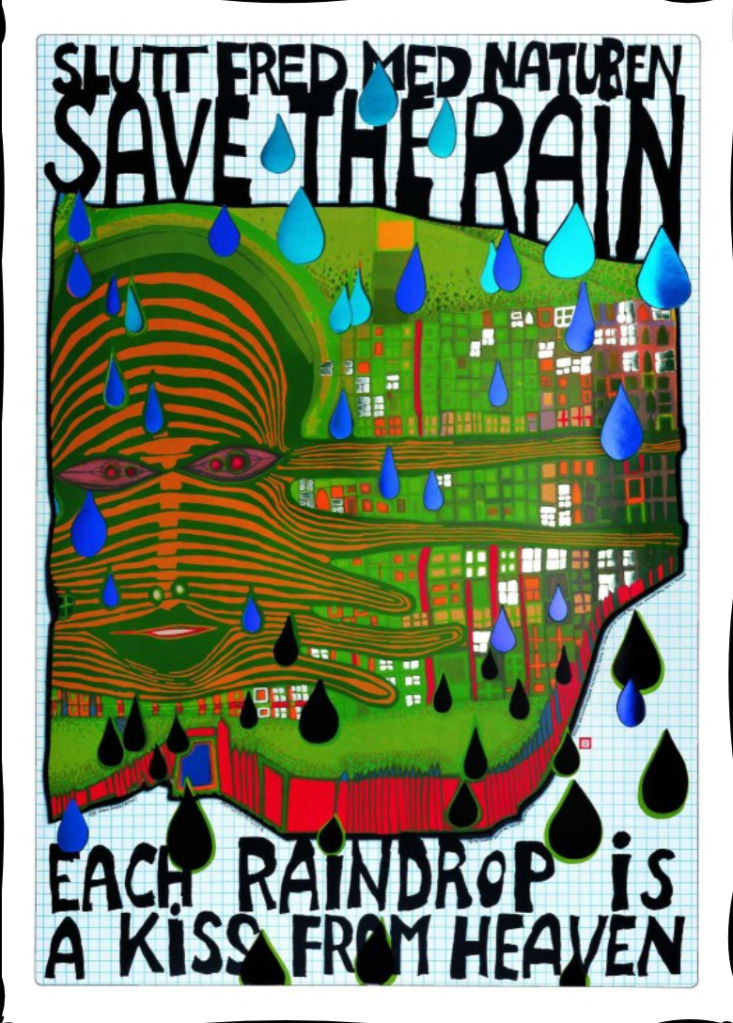
    Hundertwasser 1983

    The Science of Artistic Impact

    Several studies and projects support the idea that art can be a powerful driver for climate awareness.

    For example, research published in ScienceDirect demonstrates that artistic activism fosters emotional engagement, behavioral change, and civic participation. Additionally, the US Global Change Research Program has found that climate art exhibitions and educational programs can encourage communities to see themselves as part of the solution, inspiring both dialogue and action.

    Collaboration between arts and sciences transforms information into a sensory experience,  which makes it more likely that the information will elicit emotion and remain in our memory.

    Art’s power lies in its ability to make us feel before we act. By tapping into emotion, it connects intellectual awareness to moral responsibility. Art brings humanity to urgent political and environmental issues, allowing audiences to encounter them with new perspectives. This turns observation into involvement, inspiring people to envision how we might live differently in the future.

    As one artist-scholar observed, “The universal language of art can encourage people from all different backgrounds to want to develop actions to help live more sustainably.” 

    Art, in this sense, becomes an act of resilience. It reminds us that that restoring our bond with the environment can be as creative as it is urgent.

    Encountering Hundertwasser: A Philosophy of Color, Form, and Nature

    My personal belief in the power of art as climate action was reinforced during a trip to Vienna several years ago. I had saved my pennies for several years and planned the trip around viewing works from my two of my favorite painters, Gustav Klimt and Egon Schiele, leaders of the Viennese Secession Movement whose paintings shaped my understanding of creative freedom. But it was while I was in Vienna that I encountered a new figure who would expand my thinking even further: Friedensreich Hundertwasser.

    My first encounter with his work was at the Kunst Haus Wien, where I was enthralled by the unusual curved lines and bright hues covering the face of the building. While visiting this magnificently strange structure and viewing the paintings inside, I learned that Hundertwasser was not only an artist and architect, but an ecological visionary and environmental activist as well.

    His work merged creativity and activism into one beautifully radical philosophy. Deeply inspired by the Viennese Secession Movement, which sought to break away from artistic nationalism and the conservative art establishment of the Austrian Empire, Hundertwasser envisioned an art form that healed both people and the planet.

    His work rejected modernist straight lines, which he referred to as “godless and immoral,” in favor of spirals, organic patterns, and radiant colors that celebrated life’s natural irregularity. He was a leader in the development of new techniques and the use of unconventional materials often using homemade paints  made from organic materials while having mastered many graphic techniques including lithograph, silk screen, etching, woodcut and mixed media.

    Hundertwasser believed that humanity had created a separation from nature that was detrimental to both people and the planet and that this “aberration” must be reversed. His artworks often depict structural, environmental, and human elements while advocating for harmony between them.

    Hundertwasser summarized his idea of a life in harmony with the laws of nature in seven points which are outlined in his “Peace Treaty With Nature.”

    Ecological Conservation Through Art

    Hundertwasser created original posters in support of environmental protection efforts such as whale conservation and the promotion of public transport. He dedicated the revenue from these posters to various environmental organizations, which was a key component of his environmental protection strategy.

    While visiting the Kunst Haus Wien, I was especially moved by Hundertwasser’s poster “Save the Rain – Each Raindrop is a Kiss From Heaven,” created for the Norwegian Nature Conservancy Association to raise awareness about acid rain and its impact on forests and fish. Seeing this work in person filled me with a deep, expansive gratitude for the miracles of the natural world.

    The phrase “Each Raindrop is a Kiss from Heaven” overwhelmed me with how extraordinary our planet truly is—how every organism, from grasslands to glaciers, plays a critical role in maintaining the balance that allows us to have clean air, water, food, and medicine. These everyday miracles are sacred gifts. Protecting them is not just an act of care; it is a privilege and our responsibility as beings on this earth.

    Manifestos for People and Planet

    Hundertwasser spread his ecological positions in numerous manifestos, letters, and public demonstrations. His “Mouldiness Manifesto Against Rationalism in Architecture” from 1958 introduced ideas that remain profoundly relevant today, including the concept of “tree duty” which views integrating vegetation into architecture as a moral and ecological responsibility, promoting the idea that trees should grow on buildings as living architectural elements.

    The 1958 manifesto generally called for humanity to restore its relationship with nature by returning to organic, evolving, and humanistic architecture. This vision foreshadowed current movements in sustainable design and biophilic architecture, which similarly emphasize harmony between humans, structures, and the environment.

    Tangentially, Hundertwasser campaigned for forestation of the city through rooftop gardens and “tree tenants” that integrate greenery into urban architecture. He also developed and promoted eco-friendly waste management systems, including humus toilets and biological water purification that used aquatic plants to clean wastewater naturally.

    His buildings, such as Vienna’s Hundertwasserhaus and Kunst Haus Wien, are living artworks characterized by vegetation and a jubilant embrace of imperfection.

    In a world of homogenized cities and ecological neglect, his work proclaimed a rebellious return to nature.

    Lessons from Hundertwasser: Honoring Non-Traditional Climate Action

    Hundertwasser’s activism teaches several vital lessons. First, resistance to environmental degradation does not only require scientific credentials—it needs vision, creativity, and the courage to break away from conventional norms.

    Hundertwasser’s “Everybody Must Be Creative” manifesto argues that creativity is a fundamental human right and necessity, not a privilege of artists. He condemned what he called “the new illiteracy”—the inability to create—claiming that modern civilization suppresses innate imagination through education and standardization. 

    Hundertwasser reminds us that solutions to complex problems such as the climate crisis demand imaginative engagement from all fields and backgrounds, making creativity an essential skill across disciplines.

    His philosophy insists that ecological stewardship is a community responsibility, one that flourishes when everyone, from architects to artists and activists to ordinary citizens, claims a role in restoration and advocacy.​

    It is essential to recognize that climate action thrives through diversity of approach. Non-traditional methods like art, music, storytelling, and participatory design can catalyze real change, inspire empathy, and build movements.

    By embracing creative resistance and fostering interdisciplinary collaboration, we can expand our impact—making space for everyone to contribute, innovate, and inspire.

    To honor Hundertwasser’s legacy means advocating for the importance of art alongside science and ensuring that sustainability remains a vibrant, imaginative movement.

  • Exploring the Potential Use of Vegetation to Absorb PFAS

    Soil health is the foundation of thriving ecosystems and food systems. But what happens when our soils are tainted by “forever chemicals”-the notorious PFAS that resist breakdown and threaten food safety? Scientists are turning to plants for answers, exploring whether nature’s green powerhouses can help regenerate soil and tackle PFAS contamination.

    Photo by Silvan Schuppisser on Unsplash

    PFAS are a large group of human-made chemicals found in everything from Topo Chico to firefighting foam. They’re called “forever chemicals” because they don’t break down easily, accumulating in water, soil, and living organisms-including us. Exposure to PFAS is linked to health problems like high cholesterol, immune suppression, developmental issues, and even cancer.

    Can Plants Absorb PFAS from Soil?

    Yes-certain plants can absorb PFAS from soil, through a process known as phytoremediation. But the effectiveness depends on the plant species, the type of PFAS, and environmental conditions

    Key Findings:

    • Hemp (Cannabis sativa): Hemp has shown promise in absorbing some PFAS, especially the smaller, more water-soluble types.
      • Field trials at the former Loring Air Force Base showed that hemp could take up 10 out of 28 PFAS detected in soil. In the most successful plots, hemp removed up to approximately 2% of total PFAS from the soil, primarily accumulating these chemicals in its stems and leaves.
      • Laboratory and greenhouse experiments confirm that hemp can absorb PFAS like perfluorobutanoic acid (PFBA) into leaves, stems, and flowers, while larger, less water-soluble PFAS such as PFOS and PFOA tend to remain in the roots.
      • While hemp phytoremediation is not a comprehensive solution, it offers a promising approach to reducing PFAS levels in contaminated soils.
    • Switchgrass
      • Switchgrass has been explored as a candidate for phytoremediation of PFAS-contaminated soils, primarily because of its robust root system and ability to grow in marginal soils. Its extensive root network may help stabilize soil and potentially uptake or immobilize contaminants.
      • Research indicates that switchgrass can absorb some PFAS compounds, but uptake levels tend to be lower compared to plants like hemp or leafy greens. The majority of PFAS absorbed by switchgrass often remains in the roots rather than translocating to shoots or leaves. This characteristic could be beneficial by limiting PFAS entry into the above-ground biomass, reducing risks if the plant is harvested or grazed.
    • Leafy Greens (lettuce, kale, celery): These plants tend to accumulate higher levels of PFAS, particularly the short-chain varieties.
      • Leafy greens are known to accumulate high levels of PFAS, especially short-chain varieties, in their edible leaves. However, this high uptake is considered a food safety concern rather than a remediation advantage, since these crops are meant for human consumption and could introduce PFAS into the food chain.

    The Limits of Vegetation Based PFAS Cleanup

    While the idea is promising, phytoremediation isn’t a comprehensive solution for PFAS contamination.

    • Partial Removal: Even the best systems remove only a portion of PFAS-sometimes up to 34% for short-chain types after 90 days, but often much less for long-chain PFAS, which cling tightly to soil.
    • Slow Process: It can take multiple planting cycles to see meaningful reductions.
    • Disposal Dilemma: Plants that absorb PFAS become hazardous waste themselves. There’s currently no safe way to compost or naturally degrade these chemicals after harvest.
    • Not All PFAS Are Equal: Short-chain PFAS are more easily absorbed and moved into plant tissues, while long-chain PFAS mostly stay in the roots or soil.

    Are PFAS-Absorbing Plants Safe to Eat?

    No. Plants used to clean up PFAS-like hemp and leafy greens grown in contaminated soil-are not safe for human or animal consumption. They can concentrate PFAS in their tissues, posing health risks if eaten.

    Even homegrown produce in contaminated areas can add to your PFAS exposure, especially if you eat a lot of leafy greens.

    Safety Tips:

    • Test your soil and water for PFAS before planting edibles.
    • Use clean soil in raised beds if contamination is a concern.
    • Limit consumption and distribution of produce from known PFAS-affected areas.
    • Never consume plants grown specifically for PFAS cleanup.

    Innovations on the Horizon

    Researchers are experimenting with ways to boost plant uptake of PFAS, one method being explored pairs plants with fungi that can break down PFAS. Hybrid approaches utilizing fungi, microbes, and vegetation may one day make phytoremediation more effective and safer.

    The Bottom Line

    Plants like hemp and leafy greens can help reduce PFAS in soil, but they cannot eliminate all PFAS. Phytoremediation is best used alongside other cleanup methods, like soil washing or containment.

    Safe disposal of contaminated plants remains a critical challenge.

  • The Silent Buzz: America’s Bee Crisis and How You Can Help

    Honeybees, the backbone of U.S. agriculture, are vanishing at unprecedented rates. Researchers at Washington State University project colony losses of up to 70% in 2025a sharp increase from the typical 40–50% annual declines of the past decade.

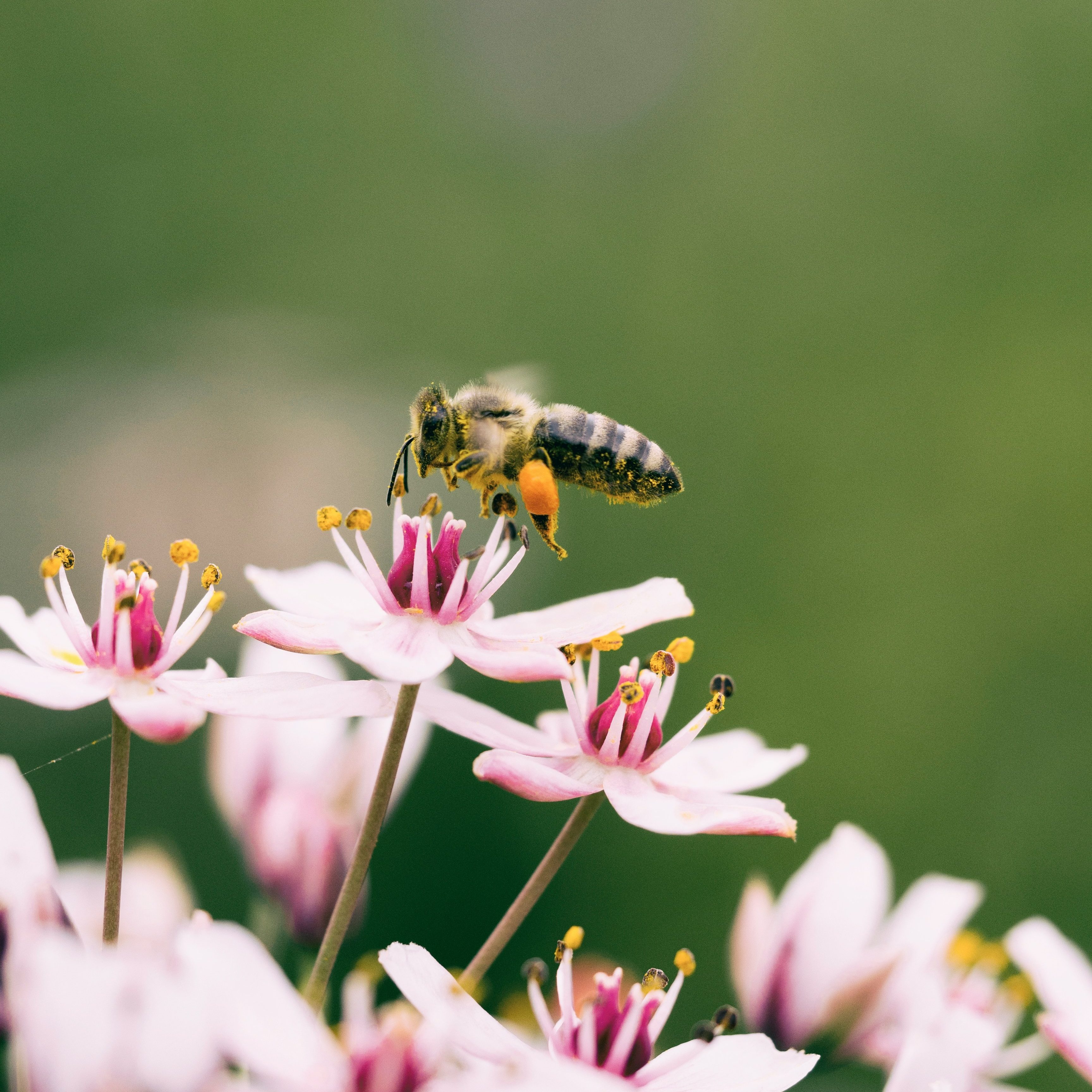
    Photo by Aaron Burden on Unsplash

    Recent data reveals that between June 2024 and February 2025 alone, U.S. beekeepers lost 62% of colonies, totaling 1.1 million hives. This crisis threatens food systems, as 35% of global crops depend on pollinators. As foundational components of food webs and providers of critical ecosystem services, their collapse signals ecological destabilization and threatens to unravel the complex networks that sustain life on Earth.

    While scientists grapple with causes, ranging from pesticide exposure to parasitic mites like Varroa destructor, individuals can take meaningful steps to support both honeybees and their underappreciated native counterparts, such as mason bees.

    Why Bees Matter

    Honeybees pollinate over $15 billion worth of U.S. crops annually, including almonds, apples, and blueberries.

    However, their efficiency pales compared to native species like mason bees, which achieve a 95% pollination rate versus honeybees’ 5%. Unlike honeybees (introduced from Europe), mason bees are solitary, sting-resistant, and active in cooler weather, making them vital for early-blooming crops like cherries.

    Beyond crop pollination, bees are essential to the overall health of our ecosystems, supporting native plant biodiversity and providing food sources for other wildlife.

    Threats to Bee Populations: A Deep Dive

    The drastic 2025 decline stems from multiple, interconnected stressors:

    • Parasites and PathogensVarroa destructor mites, tiny but deadly, weaken colonies by feeding on bee fat reserves and transmitting viruses. Similarly, the fungus Nosema ceranae disrupts bees’ digestion, leading to malnutrition and colony collapse. These biological threats are exacerbated by climate change, which weakens bees’ immune systems, making them more susceptible.
    • Pesticides: Neonicotinoids, pyrethroids, and other agricultural chemicals impair bees’ navigation, learning, and immune function, increasing their vulnerability to other stressors. Systemic pesticides, absorbed into plant tissues, contaminate pollen and nectar, exposing bees throughout the growing season. Studies show that even sublethal doses of pesticides can drastically reduce colony survival rates.
    • Habitat Loss and Fragmentation: Urbanization, monoculture farming, and deforestation reduce floral diversity and nesting sites, leaving bees with fewer food sources and places to reproduce. Increased land use for animal grazing and agriculture, including crop cultivation, is a main driver of habitat loss and fragmentation. The conversion of diverse landscapes into vast stretches of single crops deprives bees of the varied diet they need for optimal health.
    • Climate Change: Shifting weather patterns, extreme events (droughts, floods, heat waves), and altered bloom times disrupt bees’ foraging and nesting cycles, impacting their survival and reproductive success. Phenological mismatches—where plants and pollinators are out of sync—can lead to starvation and reduced pollination rates. Rising temperatures also alter bee distribution and behavior, affecting their interactions with other species.
    • Lack of Genetic Diversity: Modern commercial bee breeding practices have led to a narrowing of the gene pool within bee populations. This lack of diversity can lead to reduced resistance to disease and decreased adaptability to environmental changes.

    The Government Isn’t Coming: Why Individual Action Matters

    Despite mounting scientific evidence and dire warnings from experts, governmental action to protect bee populations remains insufficient.

    Here’s why you can’t wait for the government:

    • Defunding of Environmental Programs: Environmental agencies face budget cuts and deregulation, limiting their ability to enforce existing protections or implement new ones.
    • Political Influence: The pesticide industry exerts significant influence on policy decisions, often undermining efforts to restrict harmful chemicals.
    • Slow Bureaucracy: Even when policies are enacted, bureaucratic delays can render them ineffective. By the time regulations are implemented, bee populations may have already suffered irreversible damage.

    Political gridlock, lobbying from powerful agricultural interests, and a general lack of prioritization of environmental issues have hampered meaningful policy changes.

    Lobbying organizations spend millions annually downplaying the risks of pesticides, pushing for weaker regulations, and promoting false solutions. For example, Syngenta is the largest seller of pesticides highly toxic to bees, generating $1.3 billion annually from neonicotinoids and other pollinator-harming chemicals. Despite evidence linking neonics to colony collapse, Syngenta lobbied against EU bans, instead promoting “field margins” as a distraction.

    Without government support, individual and community action is crucial because it’s immediate, direct, and can create a ripple effect, influencing others to take action and pressuring policymakers to respond.

    How Individuals Can Help: A Comprehensive Guide

    1. Support Native Bees:
      • Install Bee Hotels: Provide nesting sites for solitary bees like mason bees, leafcutter bees, and others. Use cardboard tubes, drilled wood blocks, or pre-made nesting boxes (like those from Crown Bees) to provide shelter. Ensure the hotels are made of natural, untreated materials.
      • Offer Mud Sources: Mason bees seal nests with mud. A small patch of moist clay soil in your garden aids their reproduction.
      • Create a Bee Bath: Bees need water, too! Provide a shallow dish of water with pebbles or marbles for them to land on while drinking.
      • Leave the Leaves: Resist the urge to rake up all your leaves in the fall. Many native bees overwinter in leaf litter.
    2. Plant Bee-Friendly Gardens:
      • Prioritize Native Blooms: Native plants are adapted to local conditions and provide the most nutritious pollen and nectar for native bees. Goldenrod, milkweed, asters, coneflowers, and sunflowers are excellent choices.
      • Ensure Seasonal Variety: Plant spring bulbs (crocuses), summer wildflowers (sunflowers), and fall bloomers (sedum) for year-round forage.
      • Skip Hybrids: Many ornamental plants lack pollen or nectar. Choose single-petal varieties over double-petal ones, as the latter often have reduced pollen production.
      • Plant in Clumps: Bees find it easier to forage on large patches of the same flower.
      • Let Your Lawn Grow: Allowing your lawn to grow a little longer provides habitat and food for bees and other pollinators.
    3. Support Sustainable Agriculture:
      • Buy Organic: Organic farms often use fewer harmful chemicals and maintain hedgerows for pollinators.
      • Support Local Farmers: Visit farmers’ markets and CSAs that prioritize sustainable farming practices.
      • Prioritize Plant-based: Plant-based diets benefit bees by reducing the environmental pressures associated with animal agriculture, which is a major driver of habitat destruction, pesticide use, and climate change—all significant threats to pollinator populations. 
      • Grow Your Own Food: Even a small vegetable garden can provide a haven for bees and other pollinators.
      • Compost: Composting reduces waste and provides nutrient-rich soil for your garden.
    4. Educate and Collaborate:
      • Knowledge Sharing: Teach neighbors to build bee hotels or plant pollinator gardens.
      • Support Conservation Science: Donate to groups studying honeybee health or native bee conservation. Organizations like Save The Bees and BeesMAX use crowdfunding to support bee research, habitat restoration, and other initiatives to help bees.
      • Citizen Science: Report bee sightings via apps like iNaturalist to aid research.
      • Spread the Word: Use social media to raise awareness about the bee crisis and inspire others to take action. Share my post!

    In today’s fast-paced world, fitting these activities into your schedule might feel overwhelming. However, they can be done in groups, making them more manageable—and offering a great way to foster social connection in an increasingly isolated society.

    A Future for Pollinators

    While honeybee declines dominate headlines, solutions require a shift toward biodiversity. Research shows that orchards with both honeybees and mason bees achieve higher fruit sets, highlighting the synergy between species.

    The interconnectedness of climate change, biodiversity loss, and the insect crisis demands integrated strategies. By nurturing native plants and bees, individuals can buffer ecosystems against collapse.

    From urban balconies to rural farms, every mud-capped tube and pesticide-free flower matters. The buzz of bees—whether honeybee or mason—is a sound worth saving. The survival of these essential creatures depends on our collective action. It is time to act, not just for the bees, but for our own future.