Tag: social justice

  • An Invitation to Rethink Thanksgiving

    Every November, roughly 46 million turkeys are killed in the United States for the sake of “American Tradition.” These are curious, socially intelligent birds capable of recognizing flock mates, forming hierarchies, and communicating with unique vocalizations, yet most are reduced to a dining table centerpiece, living just 14–20 weeks before slaughter despite a natural lifespan of 10–15 years. Their short lives, filled with fear and pain, expose the uncomfortable truth that gratitude and violence are braided together in the modern Thanksgiving ritual.

    Talking about turkeys means confronting the systems—colonial, patriarchal, and capitalist—that shape their lives and deaths. Thanksgiving, too, cannot be separated from the mythologies that erase Indigenous histories, stewardship, and struggles for sovereignty. This holiday invites us to rethink what, and who, we actually celebrate, honor, and consume.

    Photo by Meelika Marzzarella on Unsplash

    Most U.S. turkeys live in industrial sheds holding 6,000–20,000 birds and are genetically engineered to grow unnaturally heavy and fast. Their bodies become so large that many cannot stand without pain, often developing joint damage, leg deformities, and heart failure; because of these proportions, they are bred almost exclusively through forced artificial insemination, with their natural social and reproductive lives erased and relabeled as “efficiency.”

    Packed tightly together, birds are subjected to “management” practices like beak trimming, desnooding, and detoeing, which remove sensitive body parts without anesthesia and can cause long-term pain, altered behavior, and difficulty eating or moving.

    Most turkeys raised for Thanksgiving live on litter soaked with feces and urine under artificial lighting designed to maximize growth; their rapid weight gain often outpaces skeletal development, and many collapse from heart or lung problems. This is not tradition. It is industrial design masquerading as holiday ceremony, where bodies are treated as commodities and exploited to produce life that exists only to generate profit, encapsulating patriarchal capitalist values.

    The harm of industrial turkey production does not exist in a vacuum; it is built on stolen land, exploited labor, and ecological harm —precisely the systems that ecofeminism, antispeciesism, and degrowth aim to dismantle. Barns, slaughterhouses, and feedlots sit on land taken from Indigenous peoples which are converted into monoculture grain fields, while underpaid and often migrant workers shoulder the physical risk and trauma required to keep cheap meat flowing.

    EPA analysis of animal feeding operations documents how these facilities generate concentrated manure, air pollution, and water contamination, turning nearby communities and ecosystems into sacrifice zones. Turkey manure is a significant source of pollution, and animal agriculture overall drives at least 14.5% of global greenhouse gas emissions while occupying about 80% of U.S. agricultural land when accounting for all livestock and their feed crops.

    Thanksgiving intensifies this logic of overproduction: ever-bigger birds, subsidized grain, and millions of pounds of turkey waste each year. In a staggering display of patriarchal capitalism’s disregard for life, it is estimated that 8 million turkeys will be thrown in the trash this Thanksgiving. In this context refusing turkey becomes more than a dietary preference; it is a small but powerful act of rejecting growth-obsessed holiday consumption in favor of justice and planetary boundaries.

    And yet, as animal agriculture continues to threaten ecological stability, this year’s H5N1 bird flu outbreaks expose how fragile the turkey industry really is. Since late summer 2025, between 2 and 2.2 million turkeys have been infected or mass-killed, leaving the U.S. with its smallest turkey flock in ~40 years. Zoonotic outbreaks like H5N1 are not random accidents; they are features of a system that concentrates animals, waste, and workers in the same polluted spaces.

    These mass culls—often carried out through ventilation shutdown—are presented as “biosecurity,” but they are predictable fallout of confinement, genetic uniformity, and high-density sheds, as discussed in my last post “What We Do to Nature Makes Us Sick – Literally.”

    While entire barns of turkeys are being killed by diseases produced under colonial agricultural conditions, the Thanksgiving myth of Pilgrims and peaceful feasts continues to sanitize the very systems that inflicted parallel harms on Indigenous peoples. It frames settlers as generous hosts while erasing the Wampanoag and other Indigenous peoples’ harvest ceremonies, land relations, and histories of epidemic and dispossession.

    By hiding the ongoing theft and enclosure of Indigenous territories, the Thanksgiving story obscures how industrial animal agriculture depends on those same lands for feed crops, confinement facilities, and slaughter plants.

    Additionally, Indigenous relationships with turkeys stretch back more than 2,000 years and offer a radically different perspective of these animals than what is normalized by Thanksgiving as its celebrated today. Historical records show that Indigenous societies in the Americas valued the birds so highly that they tamed them at least twice for companionship and participation in ceremonies.

    This contrast makes clear that the way turkeys are treated today is not natural or inevitable—it is a political and economic choice.

    This web of ecological and social harm reveals that struggles for land, animal liberation, and bodily autonomy are never separate. Colonial systems reshape landscapes and species to fit extractive needs, while the same logic reaches into gender and labor. What happens to the land, and what happens to the animals forced onto it, mirrors what happens to the people whose labor and autonomy are also controlled.

    Under this lens, the Thanksgiving rituals that rely on women’s unpaid domestic labor and men’s authority at the carving knife become easier to recognize as extensions of patriarchal and colonial power.

    Ecofeminism names these shared roots and insists that none of these violences can be confronted in isolation. Instead of systems built on domination, extraction, and sacrifice zones, it asks us to move toward plant-based, low-impact, and degrowth-aligned ways of living that are grounded in care, interdependence, and respect for all beings.

    Reimagining Thanksgiving through this lens means refusing to isolate animal suffering from land theft, climate chaos, and labor exploitation.

    Supporting Indigenous land defenders, eating plant-based seasonal foods, and telling honest histories become interconnected acts of resistance to a system that treats life as expendable.

    In place of a holiday that normalizes mistreatment, these choices move us toward traditions rooted in reciprocity, repair, and the shared right of all beings to live and thrive.
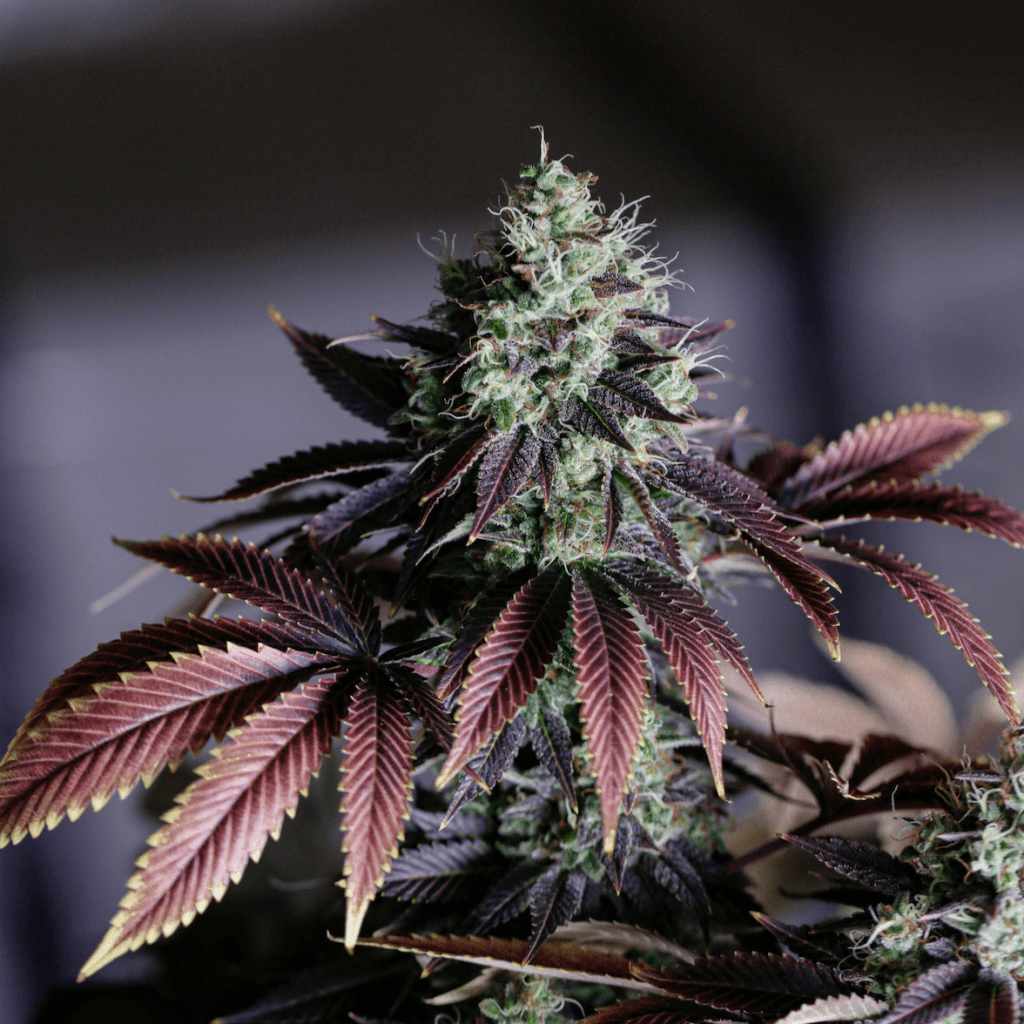
  • High Impact: Why the Cannabis Industry Needs a Green (and Just) Transition

    The rapid growth of the cannabis industry, driven by expanding legalization for both medical and recreational use, presents challenges due to its high energy and water use. As the industry evolves, it is essential to address harms of cannabis criminalization and energy-intensive indoor cultivation to ensure long-term sustainability.

    Photo by Diyahna Lewis on Unsplash

    Environmental Impacts of Cannabis Cultivation

    Cannabis is a water intensive crop that is mainly cultivated indoors, leading to significant energy use for lighting, climate control, and ventilation. Indoor cultivation enables growers to standardize their crops, resulting in consistent products with predictable quality and potency, and also reduces the risk of theft, making it the dominant form of legal cannabis production in the US. However, it is also associated with high scope 1 and scope 2 emissions due to the on-site fuel use and electricity consumption required by this method.

    Key Drivers of Emissions:

    Because emissions from cannabis production are highest in on-site fuel use and electricity consumption, as opposed to the supply chain, operators within the cannabis industry have a significant amount of control over directly reducing emissions at growing centers. There is substantial potential to reduce scope 1 and 2 greenhouse gas emissions by implementing on-site renewable generation and procuring clean energy for electricity consumption to make indoor growing practices more sustainable.

    Even with the growth in derivative products that are associated with higher levels of embodied carbon due to added processing such as vapes, the major concern over emissions from cannabis production still stems from energy use at indoor cultivation facilities.

    Whether grown indoors or outdoors, cannabis cultivation has high water-use. Each plant typically requires between 5 and 6 gallons of water per day, posing considerable challenges in regions already facing water scarcity.

    The industry also contributes to pollution from plastic waste as cannabis products are widely distributed in single-use plastic packaging due to child-safety regulations and cost constraints.

    While some manufacturers use recyclable plastics (#2 and #5), only 9% of cannabis packaging is recycled. This can be attributed to a lack of consumer awareness about recycling practices as well as a failure of US municipalities as not all of their recycling facilities are equipped to sort #5 plastics. Despite its ability to be recycled, #5 plastic (also known as polypropylene) can mess up your local facility’s machines.

    If you live in a municipality that does accept #5 plastic such as Boulder County, CO be sure to rinse your cannabis packaging before adding it to your recycling bin, but removing the label is not necessary!

    State-Level Response: California’s Sustainability Initiatives

    In 2022, California launched the Sustainable California Grown Cannabis Pilot Program, aimed at developing best practices for environmentally responsible outdoor cannabis cultivation.

    The program focuses on:

    • Reducing greenhouse gas emissions
    • Enhancing soil health and ecological function
    • Improving water-use efficiency
    • Limiting pesticide use

    To address water challenges, some growers build and manually monitor their own irrigation systems, or use water from wells drawing from aquifers, which bypasses the need to tap into streams or municipal water—ensuring water during drought conditions.

    Additionally, state-level and private-sector innovation are promoting more energy-efficient lighting systems in indoor facilities. The traditionally used high-intensity discharge lamps such as metal halide and high-pressure sodium (HPS) lights are now being phased out in favor of LED systems. LEDs not only decrease the need for cooling but also reduce overall energy demand as they provide superior light output, significantly lower energy consumption, and reduce heat emissions. Further reductions in energy intensity can be achieved through the use of passive ventilation systems, which lessen reliance on HVAC infrastructure.

    On-site renewable generation and procuring renewable electricity through Renewable Energy Credits (RECs) and Power Purchase Agreements (PPAs) can significantly reduce direct and indirect emissions from business operations. Additionally, on-site solar energy generation can significantly lower cultivator’s energy expenses and in states with net metering programs, cultivators can even earn money on the electricity they don’t use, by exporting it back to the grid for an exchange rate.

    On the materials front, policymakers and researchers are increasingly focused on alternatives to plastic packaging. A 2023 Canadian study tested hemp-infused bio-based materials as a biodegradable alternative, and a U.S. House committee has called for further exploration of plant-based packaging solutions.

    Emissions: Indoor vs. Outdoor Cultivation

    A critical finding in cannabis sustainability research is that indoor grows generate significantly more emissions than outdoor ones.

    Lifecycle Emissions Analysis

    A lifecycle assessment by researcher Evan Mills determined that approximately 90% of cannabis-related emissions stem from indoor cultivation. According to his model, transitioning to outdoor cultivation could reduce emissions by up to 76%.  Additionally, regenerative practices that thrive in outdoor environments such as no-till farming, and cover cropping can drastically improve soil health and carbon sequestration.

    Mills’ paper notes that cultivation is moving the wrong direction as “large-scale legal indoor cultivation is increasingly concentrated in environmentally overburdened urban areas…as seen in Oakland and Denver, each of which host about 200 sanctioned plant factory operations.”

    Similarly, a University of Michigan study concluded that outdoor grows produce 50 times fewer emissions than indoor operations. However, outdoor cultivation also has its own impacts, including use of nitrogen-rich fertilizers which can lead to nutrient runoff, polluting waterways and affecting ecosystems.

    Policy and Market Structure: A Barrier to Sustainability

    Despite the environmental benefits of outdoor cultivation, policy and regulatory constraints continue to push the industry toward indoor production. Mills notes that indoor cultivation is increasingly concentrated in environmentally overburdened urban areas, such as Oakland and Denver, each of which hosts over 200 licensed grow facilities.

    One structural issue is the illegality of interstate cannabis commerce. Without the ability to move product across state lines, regions better suited for outdoor cultivation (e.g., areas with optimal sunlight, lower humidity, and abundant water) are unable to supply other markets. Legalizing interstate trade could enable more outdoor cultivation and efficient resource use—but would likely increase transportation-related emissions.

    Social Equity: A Critical Component of Sustainability

    Environmental sustainability cannot be achieved in isolation from social justice. Despite legalization in numerous states, tens of thousands of individuals remain incarcerated for cannabis-related offenses—many of whom are from historically marginalized communities. Disparities persist in arrest rates, even in states with legalized cannabis, where Black Americans are still nearly four times more likely to be arrested for cannabis-related charges than white Americans. Collateral consequences of conviction—such as loss of voting rights, employment barriers, housing discrimination, and limited access to education—continue to impact these individuals and their families long after incarceration.

    To address these inequities, several policy  changes are imperative:

    • Federal legalization and descheduling of cannabis: Cannabis remains classified as a Schedule I drug under the Controlled Substances Act—on par with heroin and LSD. Descheduling would remove cannabis from the federal list of controlled substances altogether, allowing for comprehensive reform and national equity measures.
    • Expungement and Retroactive Relief: Automatic expungement of cannabis-related records and the immediate release of individuals incarcerated for cannabis crimes. Some states, like Illinois and New York, have begun implementing automatic expungement procedures, but many others lag behind.
    • Equity Licensing Programs: Social equity programs such as those launched in California, Massachusetts, and New Jersey to provide business licenses, financial support, and technical assistance to individuals directly impacted by prohibition. These programs often face structural limitations, underfunding, and implementation delays, increasing the need to draw attention to this issue.

    Organizations like the Last Prisoner Project are working to advance these objectives. Consumers and businesses are encouraged to support advocacy efforts, attend events such as Cannabis Unity Week, and lobby for legislative reform.

    This 420 the Last Prisoner Project and Ben & Jerry’s are urging governors across the country to grant clemency to those still incarcerated for cannabis-related offenses.

    A truly sustainable cannabis industry requires holistic reform—encompassing cultivation practices, packaging materials, regulatory frameworks, and social justice.

    Current and emerging sustainability Initiatives include deployment of on-site renewable energy (e.g., solar power), procurement of renewable electricity, implementation of energy efficiency measures, adoption of water-efficient irrigation and recycling systems, and utilization of regenerative farming.

    The cannabis industry stands at a pivotal moment, facing the potential to evolve into a model for sustainable agriculture and ethical enterprise.

    But sustainability cannot exist without equity. As we work to reduce the environmental impact of cultivation, we must also demand justice for those still incarcerated under outdated cannabis laws.